
Extending the Life of Your Hydraulic Cylinders: Best Practices
Hydraulic cylinders are the heart of many heavy-duty machines, from construction equipment to agricultural machinery. But not all hydraulic cylinders are created equal. In fact, I’ve seen firsthand how poor-quality cylinders can lead to frustrating breakdowns, increased maintenance costs, and even unsafe working conditions. If you’ve ever faced premature seal failures, rod damage, or leaking hydraulic fluid, you know exactly how critical it is to choose the right hydraulic cylinder for your equipment.
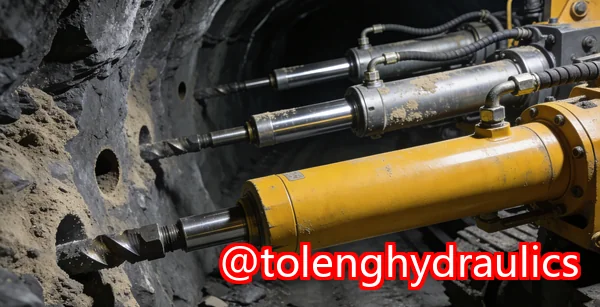
The good news is that with the right approach, you can avoid these costly problems and extend the life of your hydraulic cylinders. In this post, I’m going to walk you through the best practices for evaluating hydraulic cylinder quality, from checking materials to inspecting seals, rod finishes, and mounting styles. Whether you’re in construction, agriculture, or industrial automation, this guide will help you make informed decisions and keep your machinery running smoothly.
The Challenges of Choosing Quality Hydraulic Cylinders
Hydraulic cylinders seem simple on the surface, but selecting the right one for your equipment can be tricky. As someone who has spent years in the field, I can tell you that it’s not just about the appearance or the price. Here are some common issues I’ve encountered when evaluating hydraulic cylinders:
-
Visual Inspection Isn’t Enough: It’s easy to be fooled by a cylinder’s shiny exterior. A great-looking cylinder doesn’t always mean high-quality internal components.
-
Seal Quality and Material Choices: There’s more to cylinder seals than meets the eye. Choosing the wrong seal material for your application can lead to early failures and performance issues.
-
Rod Surface Finish and Hardness: If the rod finish is poor, it can cause excessive wear on the seals, leading to leakage and damage. But how do you know if a rod is properly treated?
These issues can lead to increased downtime, costly repairs, and frustrated teams. But with a systematic inspection process, you can avoid these pitfalls and get the most out of your hydraulic cylinders.
The Toleng Approach to Hydraulic Cylinder Quality
At Toleng Hydraulics, we’re committed to providing high-quality hydraulic cylinders that stand the test of time. Here’s how you can ensure that you’re getting the best:
1. Inspect Cylinder Tube Material and Internal Bore Finish
A cylinder’s internal bore finish is crucial for smooth operation. If the bore is rough or inconsistent, it will lead to excessive wear and tear on the seals, reducing the cylinder’s lifespan. Here’s how to evaluate it:
-
What to Look For: Ensure the cylinder tube is made from high-quality, durable materials, such as honed steel, which is ideal for creating a smooth surface.
-
Inspection Tip: Run your hand inside the bore (with gloves for safety) to check for rough spots. A fine surface finish will feel even and smooth to the touch.
2. Evaluate Piston Rod Hardness, Chrome Plating, and Surface Finish
The piston rod is one of the most critical parts of a hydraulic cylinder. If it’s not properly hardened or the chrome plating is too thin, you’ll quickly see wear and tear, leading to seal damage and leaks.
-
Rod Hardness: Check if the rod is made from high-strength materials and ensure it has been hardened to the appropriate specifications.
-
Chrome Plating Thickness: A good chrome plating will not only protect the rod but also enhance its wear resistance. A thinner coating can wear out quickly under pressure, while a thicker coating provides better durability.
-
What to Look For: The surface finish should be smooth and free of scratches or imperfections that could compromise the seal.
3. Inspect the Seal Types and Materials
The seal materials used in hydraulic cylinders play a crucial role in preventing leaks and ensuring proper function. Different applications require different seal materials, so make sure the seals match the requirements of your specific machine.
-
Common Seal Materials: Nitrile, polyurethane, and fluorocarbon seals are commonly used, each with distinct properties suited to specific temperature ranges and pressure conditions.
-
Inspection Tip: Check the type of seals used in the cylinder and verify that they’re suitable for your equipment’s operating environment. For example, high-temperature applications require seals made from materials that can withstand heat without deteriorating.
4. Verify Weld Quality on Cylinder Ends and Mounts
Welds are often overlooked, but poor weld quality can be a major source of cylinder failure. A weak weld will compromise the cylinder’s structural integrity, leading to catastrophic failure under pressure.
-
What to Look For: Ensure that the welds are even and show no signs of cracks or stress. A quality weld should be smooth, with no visible porosity or other defects.
-
Inspection Tip: Perform a visual check for any cracks or deformities in the welded areas, and if possible, use a non-destructive testing method like ultrasonic testing to ensure the weld’s strength.
The Benefits of Thorough Hydraulic Cylinder Inspection
Taking the time to inspect your hydraulic cylinders before purchase or installation can save you a lot of money and downtime in the long run. Here’s how it pays off:
-
Avoid Costly Downtime: By identifying potential issues before installation, you can prevent unexpected breakdowns and the need for expensive repairs.
-
Extend Cylinder Lifespan: A properly selected and maintained cylinder will last longer, reducing the frequency of replacements and repairs.
-
Minimize Maintenance Costs: Preventative maintenance costs are much lower than fixing problems caused by poor-quality cylinders. You’ll also avoid the cost of lost productivity due to machine downtime.
Practical Tips for Hydraulic Cylinder Inspection
Here are a few step-by-step tips for inspecting hydraulic cylinders to ensure you’re getting the best value:
-
Measure Bore Size and Rod Diameter: Accurate measurements are essential for ensuring the cylinder fits your application. Use a micrometer to measure the internal bore and rod diameter.
-
Check for Poor Seal Installation: Inspect seals for signs of improper installation, such as twisted seals or gaps. A well-installed seal will fit snugly without gaps or bulges.
-
Check for Rod Straightness: A bent rod can cause misalignment and increase wear. Use a straightedge or laser alignment tool to check for any noticeable bend.
-
Inspect Port Threads and Fitting Quality: Ensure that the ports are clean, threads are well-formed, and fittings are tight to avoid fluid leakage.
Conclusion: How to Choose the Right Hydraulic Cylinder
In summary, when selecting hydraulic cylinders, the key to making a smart purchase is thorough inspection. By checking the materials, rod quality, seals, and welds, you can ensure the cylinder you buy will perform reliably for years to come. I highly recommend following these inspection guidelines to ensure that any hydraulic cylinder purchase delivers long-term reliability and performance.
If you’re ready to find a high-quality hydraulic cylinder for your equipment, don’t hesitate to browse our selection of hydraulic cylinders at 🔗 Toleng Hydraulics. To help you with your evaluation process, you can also download our complete hydraulic cylinder inspection checklist today!
FAQs
-
How can I tell if a hydraulic cylinder has quality seals?
-
Look for seals made from materials like nitrile, polyurethane, or fluorocarbon. Check for smooth installation without twists or gaps, and ensure they match the operating environment’s temperature and pressure requirements.
-
-
What rod surface finish is best for long seal life?
-
A smooth, fine surface finish on the rod is crucial for preventing wear on the seals. Look for a rod that has been chrome-plated with a thickness suitable for your application.
-
-
How do I measure bore size and stroke length correctly?
-
Use a micrometer to measure the internal diameter of the bore and compare it to the cylinder’s specifications. Stroke length can be measured by extending the piston and using a tape measure to find the full range of motion.
-
-
What are the signs of a poorly manufactured cylinder?
-
Look for signs of poor welding, rough surfaces, cracks, or inconsistent bore finishes. Also, check the cylinder’s rod for bends or defects.
-
-
Which cylinder mounting styles are strongest?
-
Welded cylinders tend to offer better strength and durability compared to tie-rod cylinders, especially in high-pressure applications.
-
-
How do I choose between welded and tie-rod cylinders?
-
Welded cylinders are more durable and suitable for heavy-duty applications, while tie-rod cylinders are easier to service and replace. Choose based on your equipment’s needs.
-
-
What chrome plating thickness should I look for on rods?
-
A thicker chrome plating (around 20-25 microns) offers better wear resistance and protects the rod against corrosion and damage.
-
By using the tips and methods outlined here, you’ll be equipped to choose the best hydraulic cylinders for your needs, ensuring that your machinery operates smoothly and reliably.

