
How to Store Hydraulic Cylinders Properly: Off-Season Storage
When purchasing hydraulic cylinders for heavy machinery, equipment failure can often catch you off guard. Premature seal failure, rod damage, or leaking hydraulic fluid can bring your operations to a screeching halt. Imagine a construction site where your backhoe’s hydraulic cylinder starts to leak in the middle of a critical task, or an agricultural tractor that can’t perform its duties due to a faulty cylinder. The cost of repairs and downtime is enough to make any equipment owner or maintenance engineer uneasy. But here’s the good news: proper off-season storage of hydraulic cylinders can help prevent these types of failures and extend the life of your equipment.
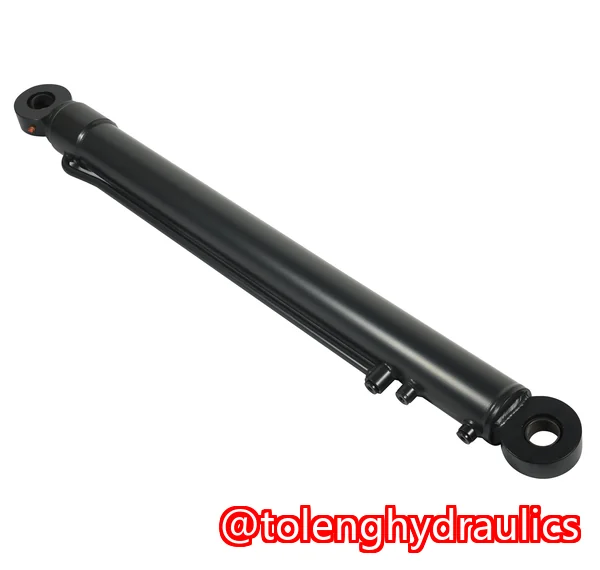
The Importance of Storing Hydraulic Cylinders Properly
Hydraulic cylinders, while built to endure harsh conditions, are still vulnerable to premature wear if not stored correctly during off-seasons or when out of service. Storing them improperly can lead to rust, corrosion, or damage to key components like seals and rods, which can severely impact cylinder performance.
Whether you’re preparing for winter storage or temporarily taking a piece of equipment out of service, it’s essential to understand the best practices for storing hydraulic cylinders. Here’s what you need to know.
Common Off-Season Storage Issues
When I talk to engineers and equipment owners, a few common concerns pop up regarding hydraulic cylinder storage:
-
Rusting and Corrosion: The most common issue with improperly stored hydraulic cylinders is rust, particularly on the rod. Moisture in the air or on the surface can cause rusting, which degrades the rod’s surface finish, making it prone to seal damage and cylinder failure.
-
Seal Damage: If hydraulic cylinders are stored with their rods exposed to dirt, debris, or harsh weather, the seals are at risk of becoming compromised. Exposure to UV rays, dirt, and even excessive moisture can cause seals to degrade, leading to leakage and reduced performance when the cylinder is back in operation.
-
Internal Contamination: Hydraulic cylinders are sensitive to contamination. Dirt, moisture, or particles that enter the cylinder during storage can affect performance, causing blockages, scoring, or premature wear on critical components like the piston and rod.
-
Cylinder Deformation: If cylinders are stored improperly, they may become misaligned or deformed. This can happen when they are left unsupported or in a position that puts unnecessary pressure on certain parts of the cylinder, such as the bore or the piston.
The Right Way to Store Hydraulic Cylinders
To ensure your hydraulic cylinders remain in top condition, here are the best practices for off-season storage:
1. Clean Before Storing
Before you put your hydraulic cylinders into storage, make sure they are clean and free of contaminants. Clean the cylinder rod thoroughly to remove any dirt, debris, or hydraulic fluid. Pay special attention to the piston, seals, and bore area. Use a clean, lint-free cloth and, if necessary, a solvent recommended by the manufacturer. A clean cylinder reduces the risk of contamination during storage and minimizes the chance of internal damage when the cylinder is put back into service.
2. Protect the Rod
The cylinder rod is one of the most vulnerable parts when it comes to off-season storage. To protect the rod from rust and corrosion, apply a thin layer of rust preventative oil or grease to the surface of the rod before storage. This creates a protective barrier, preventing moisture from coming into contact with the metal. Additionally, make sure that the rod is retracted into the cylinder to avoid unnecessary exposure.
3. Seal Protection
Inspect the seals before storing the hydraulic cylinder. If any seals appear worn or damaged, replace them before storage to prevent future issues. Once you’ve cleaned the seals, protect them by wrapping them with protective covers or dust caps. This will help prevent dirt and debris from entering the cylinder, especially if it’s stored outside.
4. Choose the Right Storage Environment
Store hydraulic cylinders in a dry, cool, and well-ventilated area to prevent rust and corrosion. Humid conditions, especially during the winter months, can cause rust to form on the metal parts, and extreme temperature fluctuations can lead to material stress and degradation.
If possible, store cylinders in a temperature-controlled indoor area. If outdoor storage is necessary, place the cylinders on a raised platform to prevent water accumulation at the base, and use protective covers to shield the cylinders from rain or snow.
5. Avoid Pressure on the Cylinder
When storing hydraulic cylinders, ensure they are properly supported to avoid any pressure on the seals, rod, or bore. Use appropriate supports or brackets to keep them in a stable position. If you’re storing multiple cylinders, make sure they’re stacked carefully and not placed in a way that puts pressure on any single component.
6. Keep the Ports Covered
To prevent dirt, debris, and moisture from entering the cylinder, cover the hydraulic ports with plastic caps or tape. This is especially important if the cylinder is stored outdoors, as contaminants can easily get inside and damage the internal components.
7. Periodic Inspections
Even if your cylinders are stored for an extended period, it’s important to periodically inspect them to ensure they remain in good condition. Every few months, check for signs of rust, moisture, or damage. If you notice any issues, address them immediately to avoid further deterioration.
Benefits of Proper Hydraulic Cylinder Storage
Proper storage offers several key benefits:
-
Prevents Rust and Corrosion: Keeping cylinders clean and properly oiled prevents moisture from causing rust, which could otherwise ruin the rod and seals.
-
Extends Cylinder Life: By storing cylinders in a stable environment, you reduce the risk of premature wear, allowing you to get more years of service from your investment.
-
Reduces Maintenance Costs: When cylinders are properly maintained during storage, you minimize the risk of costly repairs and replacements, ensuring your equipment is ready to go when needed.
-
Improves Reliability: Proper storage ensures that your hydraulic cylinders will perform as expected when put back into service, reducing downtime and keeping operations running smoothly.
Conclusion
Proper off-season storage of hydraulic cylinders is crucial to preventing costly failures and ensuring long-term reliability. By following the best practices I’ve shared above, you can safeguard your investment and extend the lifespan of your hydraulic components. From cleaning the cylinders to protecting the rod and seals, every step you take will ensure your cylinders are ready to perform when the time comes.
I highly recommend following these storage guidelines to avoid premature wear and costly repairs. If you’re looking to invest in high-quality hydraulic cylinders that offer reliability and performance, check out Toleng Hydraulics.
Browse our selection of high-quality hydraulic cylinders: 🔗 Toleng Hydraulics
Download our complete hydraulic cylinder inspection checklist today to ensure your purchases are always top-notch.
Frequently Asked Questions (FAQ)
How can I tell if a hydraulic cylinder has quality seals?
Look for seals made from durable materials like polyurethane or Viton. Quality seals should be smooth and free from cracks. Also, check for any discoloration or signs of wear around the seal.
What rod surface finish is best for long seal life?
A smooth, chrome-plated finish is best for reducing wear on seals. Ensure that the rod’s finish is free from pitting or scratches.
How do I measure bore size and stroke length correctly?
Use precise measuring tools such as a micrometer for bore size. For stroke length, extend the piston fully and measure the distance from the base to the extended end.
What are the signs of a poorly manufactured cylinder?
Signs include rough surfaces, visible weld defects, poorly fitted seals, or inconsistent bore finishes. These can lead to premature wear or failure.
Which cylinder mounting styles are strongest?
Welded mounting styles tend to be stronger and more durable than tie-rod designs, especially for heavy-duty applications.
How do I choose between welded and tie-rod cylinders?
Welded cylinders offer more strength and are better for heavy-duty applications, while tie-rod cylinders are easier to service and more cost-effective for lighter use.
What chrome plating thickness should I look for on rods?
Look for chrome plating of at least 25 microns for durability and protection against wear and corrosion.
Keywords
-
hydraulic cylinder quality, cylinder seals, rod finish, bore size, hydraulic cylinder maintenance, cylinder inspection, welded hydraulic cylinder, tie-rod cylinder, hydraulic cylinder buying guide, cylinder failure prevention, hydraulic cylinder materials

