
The Cost of Hydraulic Cylinder Repair vs Replacement
When you’re running heavy machinery or industrial equipment, a hydraulic cylinder failure can bring operations to a grinding halt. It’s one of those problems that tends to pop up without warningleaks, seal failures, or rod damage that can impact everything from construction equipment to agricultural machinery. But when faced with the decision to repair or replace a hydraulic cylinder, how do you make the right choice? In this article, I’ll walk you through the process of evaluating hydraulic cylinders, and help you make informed decisions that can save time, money, and prevent costly downtime.
Identifying Hydraulic Cylinder Failures: The Real Cost
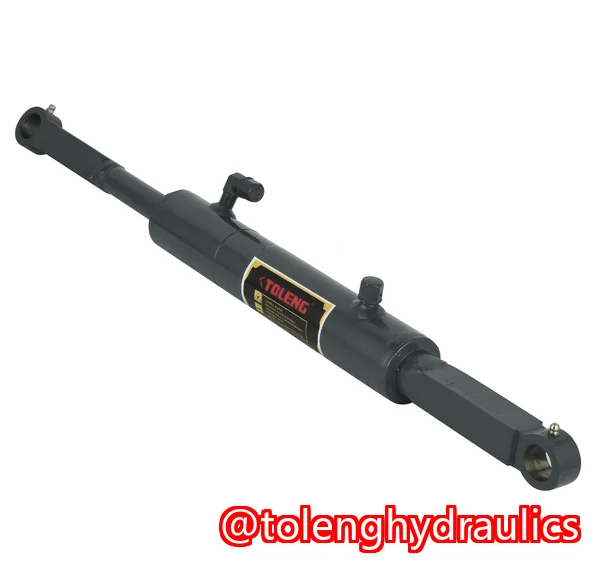
Let’s face it, hydraulic cylinders aren’t cheap. And when something goes wrong, the decision to repair or replace them isn’t always straightforward. From my experience, one of the most common issues I see is seal failure. This can lead to significant leaks, reducing the efficiency of the system. Another culprit is rod damage, often resulting from poor surface finish or environmental factors. And let’s not forget about inconsistent bore finishes, which can cause premature wear and tear. These issues not only interrupt operations, but they can also lead to unsafe working conditions and costly repairs if not addressed early on.
Now, the big question is: repair or replace? In many cases, replacing a hydraulic cylinder might seem like the more convenient option. However, a repair done right can often be just as effective. The trick lies in knowing how to evaluate the true quality of a cylinderand whether or not it’s worth investing in a repair or if you’re better off with a new one.
Common Pain Points When Evaluating Hydraulic Cylinder Quality
There are a few major pain points equipment owners, engineers, and maintenance teams often face when evaluating hydraulic cylinders. These challenges can lead to poor purchasing decisions, leading to problems down the line.
1. Difficulty Distinguishing Cylinder Quality by Appearance
At first glance, a hydraulic cylinder might look like it’s built to last. The shiny chrome finish on the rod, the smooth outer casingit all seems perfect. But looks can be deceiving. Many low-quality cylinders might look visually appealing but fail in performance. It’s essential to go beyond appearance and inspect the materials, the finishes, and the welding quality. Often, poor manufacturing practices only reveal themselves after the cylinder has been in use for a while.
2. Uncertainty Around Seal Materials and Rod Surface Finishes
The seals on hydraulic cylinders are critical in maintaining pressure and preventing leaks. However, selecting the wrong seal type for the application can lead to premature failure. The same goes for the rod finish. A poor rod surface finish can lead to wear on seals, causing them to leak or fail prematurely. It’s important to know which materials and finishes are most suitable for the specific working conditions of your machinery.
3. Inconsistent Bore Finish and Premature Wear
Bore finish directly affects the efficiency and lifespan of a hydraulic cylinder. An inconsistent or rough bore finish can lead to premature wear, increased friction, and overall poor performance. This issue is often overlooked by buyers who focus too much on the external appearance rather than the internal quality.
Practical Guidance for Evaluating Hydraulic Cylinder Quality
When you’re in the market for a new hydraulic cylinderor considering whether to repair or replace an existing onethere are a few key inspection methods you should follow to ensure long-term reliability and performance.
1. Inspect Cylinder Tube Material and Internal Bore Finish
The material and finish of the cylinder tube directly impact its durability. High-quality cylinders use materials like high-carbon steel that can withstand high pressure and resist corrosion. A proper bore finish is also cruciallook for smooth, consistent finishes that allow the piston and seals to operate efficiently without unnecessary friction.
2. Examine Piston Rod Hardness, Chrome Plating, and Surface Finish
A critical part of the cylinder, the piston rod, must be inspected thoroughly. Check for:
-
Rod hardness: A hard rod surface resists wear and can handle higher pressure.
-
Chrome plating thickness: This ensures the rod can resist corrosion, especially in harsh conditions.
-
Surface finish: A smooth rod finish prevents damaging contact with seals and improves overall performance.
3. Evaluate Seal Types and Materials
Seals are one of the most important parts of a hydraulic cylinder, and choosing the right type and material is essential. For example:
-
Nitrile seals are excellent for general applications.
-
Viton seals are better for high-temperature applications.
-
Polyurethane seals are ideal for heavy-duty or high-impact work.
Make sure the seals are properly installed, free of defects, and appropriate for the working environment of your machinery.
4. Verify Weld Quality on Cylinder Ends and Mounts
The welds on the cylinder ends and mounts should be inspected for any signs of stress, cracking, or irregularities. Proper weld quality ensures the cylinder’s structural integrity, especially under heavy use and pressure. Low-quality welds may cause failures under load, leading to costly damage.
5. Mounting Styles and Durability
Depending on the application, the mounting style of a hydraulic cylinder plays a critical role in ensuring its durability and performance. Welded cylinders tend to be stronger and more durable, but tie-rod cylinders may offer easier disassembly and maintenance. Be sure to choose the right style based on your equipment’s needs.
Why Proper Inspection Matters
By following these guidelines for evaluating hydraulic cylinders, you’re not only ensuring that you select a high-quality product but also extending the life of your equipment. Here are a few benefits of proper cylinder inspection:
-
Avoid costly downtime: Identifying poor-quality cylinders upfront helps avoid the headaches of unexpected failures.
-
Extend cylinder lifespan: Proper selection and maintenance practices can significantly increase the lifespan of hydraulic cylinders.
-
Save on maintenance costs: Preventing premature failures or unnecessary repairs saves both time and money.
My Recommendations: Quality Inspection Saves You Money
I highly recommend following these inspection guidelines before purchasing a hydraulic cylinderor deciding whether to repair an existing one. By knowing what to look for in terms of materials, seals, finishes, and welds, you can be sure that your investment delivers long-term reliability and performance. Don’t wait until a cylinder fails on yoube proactive, and catch potential issues before they cause major downtime.
For those looking for top-quality hydraulic cylinders, I suggest browsing Toleng Hydraulics for a wide selection of high-performance options. You can also download our complete hydraulic cylinder inspection checklist today to help guide your evaluations.
🔗 Browse our selection of high-quality hydraulic cylinders at Toleng Hydraulics.
Frequently Asked Questions
1. How can I tell if a hydraulic cylinder has quality seals?
Look for seals that are designed for the specific temperature and pressure range of your application. Ensure they are made from durable materials like nitrile, Viton, or polyurethane, and check for signs of proper installation (no cracks, defects, or improper seating).
2. What rod surface finish is best for long seal life?
A smooth, highly polished rod surface finish is best for extending seal life. The rod should be free of pits, scratches, and surface defects, which could damage seals over time.
3. How do I measure bore size and stroke length correctly?
To measure bore size, use calipers to check the internal diameter of the cylinder. Stroke length is the distance the piston travels within the cylinder, which can be measured by extending the piston to its full range.
4. What are the signs of a poorly manufactured cylinder?
Signs of poor manufacturing include rough or inconsistent bore finishes, weak welds, defects in the rod surface, and incorrect or improperly installed seals.
5. Which cylinder mounting styles are strongest?
Welded mounting styles are generally stronger and more durable than tie-rod cylinders, which are easier to disassemble for repairs but may not withstand the same heavy loads.
6. How do I choose between welded and tie-rod cylinders?
If you need a cylinder that can handle high loads and is resistant to harsh conditions, go with a welded cylinder. If you need easy maintenance and repair, a tie-rod cylinder might be a better choice.
7. What chrome plating thickness should I look for on rods?
Look for chrome plating that is at least 20 microns thick for good corrosion resistance and wear protection, although thicker plating may be necessary for heavy-duty applications.
Tags and Keywords
-
hydraulic cylinder quality, cylinder seals, rod finish, bore size, hydraulic cylinder maintenance, cylinder inspection, welded hydraulic cylinder, tie-rod cylinder, hydraulic cylinder buying guide, cylinder failure prevention, hydraulic cylinder materials.

