
How to Test a Hydraulic Cylinder After Repair
When you’re working with heavy machinery, a hydraulic cylinder failure can bring everything to a halt. It’s one of those problems that seems simple but can cause massive downtime. Picture this: a hydraulic cylinder fails just after a repair job. The system loses power, the equipment is down, and the entire team is waiting for answers. This kind of failure often comes down to one thing cylinder quality. But how do you ensure that the hydraulic cylinder you just repaired or replaced is up to the task?
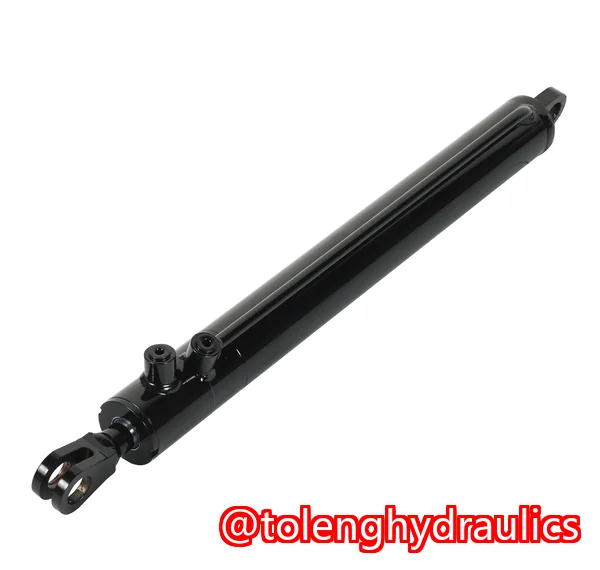
As a maintenance engineer, equipment owner, or procurement specialist, identifying the quality of hydraulic cylinders is crucial. Not all cylinders are made equal, and failing to recognize potential issues can result in premature failure. Fortunately, with the right inspection tools and knowledge, you can test hydraulic cylinders after repair to ensure they’ll perform under pressure. Here’s how.
Common Problems with Hydraulic Cylinders After Repair
Hydraulic cylinders are integral to the operation of various types of machinery. From construction equipment to industrial machinery and agricultural applications, these components are essential for maintaining movement and force. Unfortunately, hydraulic cylinders face several challenges that can cause them to fail after a repair, including:
-
Seal leakage A poor seal can result in fluid leakage, reducing system efficiency and damaging the cylinder.
-
Rod damage If the rod isn’t properly finished or hardened, it can wear out quickly, leading to failure.
-
Bore wear Inconsistent bore finishes can cause premature wear on seals and cause the system to lose performance.
-
Improper welding Welds on cylinder mounts and ends can fail if not properly done, leading to structural weaknesses.
To avoid these issues, it’s essential to inspect the cylinder thoroughly after any repair. Here’s how to go about it.
How to Inspect a Hydraulic Cylinder After Repair
Properly inspecting a hydraulic cylinder after repair involves checking several components. Whether you’re dealing with a replacement or an in-house repair, these key areas should be your focus.
1. Cylinder Tube Material and Internal Bore Finish
The material of the cylinder tube plays a significant role in the overall performance and longevity of the hydraulic cylinder. A high-quality hydraulic cylinder tube should be made from durable steel, and the internal bore finish must be smooth to ensure efficient movement of the piston.
-
Check the surface: Look for any scratches, pits, or irregularities inside the bore. These can cause the seals to wear out prematurely.
-
Use a bore gauge: Measure the diameter of the bore to ensure it matches specifications. If it’s too large or too small, it can affect the cylinder’s performance.
2. Piston Rod Hardness, Chrome Plating, and Surface Finish
The piston rod is a critical part of the hydraulic cylinder, and its quality can determine how long your cylinder lasts. The rod should be hardened to resist wear and corrosion, and it should have a thick, smooth chrome plating to reduce friction and wear on the seals.
-
Check rod hardness: A properly hardened rod will resist bending and wear. Use a hardness tester to confirm the rod’s surface is up to spec.
-
Inspect chrome plating: Ensure that the chrome plating is thick enough (usually at least 20 microns) to withstand wear and tear. Thin plating or uneven surfaces are a sign of poor-quality manufacturing.
-
Rod surface finish: Look for smoothness. A rough surface will damage seals quickly and lead to leakage.
3. Seal Types and Materials
The seals in a hydraulic cylinder are essential to maintain the pressure and prevent leaks. Using the wrong type of seal material can result in premature failure due to wear, chemical exposure, or improper heat resistance.
-
Inspect seal quality: Ensure that seals are made from high-quality materials suited to the specific application of the hydraulic system. For instance, seals made from nitrile or Viton are ideal for different temperature and chemical conditions.
-
Check for installation issues: A common issue is poor seal installation. Make sure the seals are seated properly and show no signs of damage.
4. Weld Quality on Cylinder Ends and Mounts
Hydraulic cylinders are often subjected to extreme pressure, so the welds holding the cylinder together must be flawless. If a weld is weak or incomplete, it could result in a structural failure.
-
Inspect welds: Look for signs of cracks or inconsistent welds on the cylinder ends and mounts. A solid weld will appear smooth and continuous, with no visible defects.
-
Check for leaks: Any small leak near the weld area is a sign that the cylinder wasn’t welded properly or that stress could cause failure in the future.
Benefits of Proper Cylinder Inspection
A thorough inspection helps avoid costly issues down the line. By taking the time to check every aspect of the hydraulic cylinder after repair, you can:
-
Reduce downtime: Identifying issues early can prevent unexpected failures, saving valuable time and money.
-
Extend the service life of the cylinder: A well-maintained cylinder will last much longer than one with unseen flaws.
-
Lower maintenance costs: Finding and fixing small problems before they become larger issues can reduce overall maintenance costs.
Step-by-Step Cylinder Inspection Tips
To make sure you’re inspecting every necessary detail, follow these steps during your inspection:
-
Measure Bore Size and Rod Diameter: Use calipers or a micrometer to measure the bore size and rod diameter. Ensure they match the manufacturer’s specifications.
-
Check Rod Straightness: Lay the rod on a flat surface and measure at different points to ensure it’s perfectly straight.
-
Look for Signs of Seal Damage: Check the seal surfaces for any nicks, abrasions, or discoloration that could indicate poor quality or improper installation.
-
Inspect Port Threads: The threads should be clean and free from damage. Misthreaded ports can lead to leaks and poor performance.
-
Verify Mounting Integrity: Check the mounting points for cracks or weaknesses. A strong, properly welded mount is essential for stability.
Conclusion
Hydraulic cylinder inspections are essential to ensure long-term performance and avoid costly failures. By following the steps above, you can be confident that the cylinders you purchase or repair are of high quality and ready to perform under the toughest conditions.
I highly recommend following these inspection guidelines to ensure any hydraulic cylinder purchase delivers long-term reliability and performance. If you’re ready to get your hands on high-quality hydraulic cylinders, browse our selection at 🔗 Toleng Hydraulics or download our complete hydraulic cylinder inspection checklist today.
FAQ
How can I tell if a hydraulic cylinder has quality seals?
Look for seals made from high-quality materials, such as Viton or Nitrile, depending on the temperature and chemical conditions. Ensure they’re properly installed with no signs of wear or damage.
What rod surface finish is best for long seal life?
A smooth, hardened chrome-plated surface is ideal for long seal life. The chrome should be thick (at least 20 microns) to minimize wear.
How do I measure bore size and stroke length correctly?
Use a bore gauge to measure the bore’s internal diameter. To measure stroke length, extend the rod fully and measure from the end of the rod to the cylinder end cap.
What are the signs of a poorly manufactured cylinder?
Signs include poor weld quality, rough or uneven rod surfaces, inadequate chrome plating, and inconsistent bore finishes. Always inspect the welds and ensure the rod is straight.
Which cylinder mounting styles are strongest?
Welded cylinder mounts tend to be the strongest because they provide better support than tie-rod styles, which can be less stable under high pressure.
How do I choose between welded and tie-rod cylinders?
Welded cylinders are more durable and better for high-pressure applications, while tie-rod cylinders are easier to assemble and repair but may be less robust under heavy loads.
What chrome plating thickness should I look for on rods?
Look for chrome plating that’s at least 20 microns thick. This will help the rod resist wear and reduce friction, ensuring better seal life and cylinder performance.
Tags or Keywords
hydraulic cylinder quality, cylinder seals, rod finish, bore size, hydraulic cylinder maintenance, cylinder inspection, welded hydraulic cylinder, tie-rod cylinder, hydraulic cylinder buying guide, cylinder failure prevention, hydraulic cylinder materials

