
The Future of Hydraulic Cylinders: Smart Cylinders and IoT
When you’re out in the field managing construction equipment, industrial machinery, or agricultural tools, there’s one thing that often gets overlooked: the quality of hydraulic cylinders. And yet, these powerful components are crucial to maintaining smooth operations. I’ve seen firsthand how the failure of a hydraulic cylinder, whether due to seal leakage, rod damage, or poor material quality, can bring work to a grinding halt.
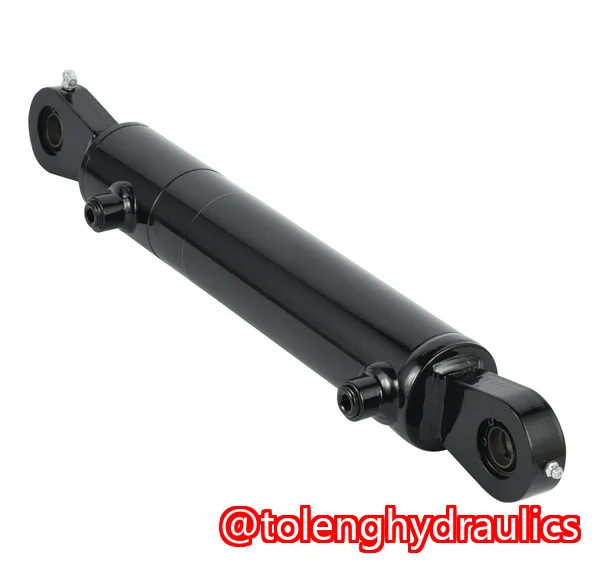
In fact, many operations face issues with cylinders that don’t live up to their promisesleading to premature wear, increased maintenance costs, and unexpected downtime. So, how can you ensure the hydraulic cylinders you choose are built to last and perform reliably in tough conditions?
In this post, I’ll walk you through the future of hydraulic cylinders, particularly the exciting advancements with smart cylinders and the Internet of Things (IoT). I’ll also offer some practical advice on how to spot high-quality cylinders, highlighting the key elements you need to check to avoid failures and maximize your equipment’s uptime.
What’s at Stake? The Importance of High-Quality Hydraulic Cylinders
Before we dive into the specifics of smart cylinders, let’s discuss why selecting the right hydraulic cylinder is so important. Hydraulic cylinders are the driving force behind so many industrial, agricultural, and construction machines. They’re responsible for moving heavy loads, controlling various mechanisms, and ensuring that your equipment runs smoothly. But when cylinders aren’t built to the highest standards, they can lead to costly failures.
Common pain points that equipment owners and maintenance teams face include:
-
Premature Seal Failure: If the seals are of poor quality or improperly installed, you’ll see leaks, which can cause power loss and contamination.
-
Rod Damage: A poorly finished rod or low-quality chrome plating can lead to excessive wear and pitting, reducing the cylinder’s lifespan.
-
Inconsistent Bore Finishes: A rough or poorly finished bore can cause premature wear on seals, leading to leakage and inefficient performance.
Enter Smart Cylinders: Revolutionizing the Industry with IoT
The future of hydraulic cylinders lies in the integration of smart technologies and the Internet of Things (IoT). Imagine a world where hydraulic cylinders can “talk” to you, alerting you about potential issues before they become catastrophic. Smart cylinders are fitted with sensors and connected to cloud-based systems, providing real-time data on performance, pressure, temperature, and even wear levels.
Here’s how IoT-enhanced cylinders can change the game:
-
Predictive Maintenance: Sensors inside the cylinder can measure factors like pressure, temperature, and vibration. If something’s off, the system alerts you, allowing you to schedule maintenance before a failure occurs.
-
Remote Monitoring: With IoT capabilities, you can monitor your cylinders from anywhere, reducing the need for on-site checks and improving overall equipment management.
-
Data-Driven Decisions: Data collected over time can be used to optimize performance, adjust maintenance schedules, and even adjust operation conditions to extend the life of the cylinder.
Toleng Hydraulics is at the forefront of these innovations. By combining traditional hydraulic cylinder technology with cutting-edge IoT solutions, they offer a smarter, more efficient way to manage hydraulic systems. Whether you’re using them in construction, industrial automation, or mobile hydraulics, smart cylinders can help you avoid costly mistakes and reduce downtime.
Identifying High-Quality Hydraulic Cylinders: Practical Inspection Tips
While smart cylinders are on the horizon, understanding how to identify high-quality hydraulic cylinders today is just as important. Let’s go over some essential inspection points to consider when evaluating cylinders, whether you’re buying for the first time or replacing an old unit.
1. Inspect the Cylinder Tube Material and Bore Finish
The material of the cylinder tube plays a critical role in how well it will stand up to the pressures and conditions it will face. Look for cylinders made from high-strength steel or similar durable alloys. The bore finish is equally important. A rough finish can lead to premature wear on the seals, causing leaks and inefficiency.
-
What to look for: The bore should be smooth, free of scratches, or pits. If it’s too rough, the cylinder will wear down much quicker.
2. Check Piston Rod Hardness and Chrome Plating
The piston rod is subjected to a lot of stress, so it’s crucial that it has the right hardness and surface finish. A low-quality rod with insufficient chrome plating can lead to premature damage and failures.
-
What to look for: The rod should be made from high-strength material with chrome plating that’s thick and evenly applied. A well-done rod will help protect the cylinder from abrasion and corrosion.
3. Evaluate Seal Materials for Durability
Hydraulic seals are the lifeblood of any hydraulic system. If the seals aren’t made from the right materials, they can fail quickly, causing leaks, contamination, and a breakdown in performance.
-
What to look for: Be sure that the seals are made from high-quality materials such as NBR (Nitrile Rubber) or Viton, depending on the application’s temperature and chemical requirements. Pay attention to how the seals are installed to avoid poor fitting.
4. Verify Weld Quality and Mounting Integrity
The cylinder ends and mounts must be welded securely to avoid failure during operation. Weak or inconsistent welds can lead to sudden cylinder failure, causing operational downtime and safety risks.
-
What to look for: Check for smooth, even welds with no visible cracks or gaps. Inspect the mounting styleswhether welded or tie-rodand ensure that they are the correct type for the application.
5. Bore Size and Rod Diameter: Measure Twice, Cut Once
Accurate measurement of the bore size and rod diameter is essential for proper fit and functionality. If these components don’t match the specifications of your equipment, it can lead to performance issues and faster wear.
-
What to look for: Use a caliper or micrometer to ensure the bore and rod measurements match the equipment manufacturer’s specifications.
Why All These Inspections Matter
By following these inspection guidelines, you’ll be able to avoid common pitfalls such as equipment downtime and unexpected repairs. Here’s how proper inspection benefits you:
-
Maximized Uptime: Properly inspecting cylinders ensures they function optimally, reducing unexpected failures.
-
Cost Savings: Identifying quality issues before purchasing helps avoid costly replacements and repairs.
-
Safety and Performance: High-quality cylinders perform safely and efficiently, helping prevent accidents and prolonging the lifespan of your machinery.
Conclusion: Selecting the Best Hydraulic Cylinders
By following these inspection methods, you’ll be better equipped to make informed decisions when purchasing hydraulic cylinders. Whether you’re looking for welded or tie-rod cylinders, smart cylinders, or just need to replace an old component, these guidelines will ensure you choose cylinders that deliver long-term reliability and performance.
I highly recommend following these inspection guidelines to ensure any hydraulic cylinder purchase delivers long-term reliability and performance. With the rise of smart cylinders and IoT, there’s no better time to future-proof your equipment and stay ahead of the curve.
For more details and to browse our selection of high-quality hydraulic cylinders, check out our website: 🔗 Toleng Hydraulics. Also, don’t forget to download our complete hydraulic cylinder inspection checklist to keep your equipment running smoothly!
FAQ
1. How can I tell if a hydraulic cylinder has quality seals?
Inspect the material of the sealslook for seals made from durable, high-quality materials like NBR or Viton. Ensure they’re installed correctly and free from cracks.
2. What rod surface finish is best for long seal life?
A smooth rod surface with a high-quality chrome plating is ideal for long seal life, reducing wear and the risk of contamination.
3. How do I measure bore size and stroke length correctly?
Use a caliper to measure the bore size accurately. For stroke length, use a tape measure to ensure the cylinder fits the specific needs of your machine.
4. What are the signs of a poorly manufactured cylinder?
Signs include poor welds, rough or inconsistent bore finishes, excessive pitting or wear on the rod, and low-quality seals that fail prematurely.
5. Which cylinder mounting styles are strongest?
Welded cylinders offer a solid, secure mount, while tie-rod cylinders offer flexibility. The best style depends on the application and equipment.
6. How do I choose between welded and tie-rod cylinders?
Welded cylinders are ideal for heavy-duty applications where strength is crucial. Tie-rod cylinders are often used in less demanding conditions or when easy maintenance is required.
7. What chrome plating thickness should I look for on rods?
A thickness of at least 0.002 inches (50 microns) is recommended for durability, but this can vary depending on the specific application and rod material.
Keywords
-
hydraulic cylinder quality
-
cylinder seals
-
rod finish
-
bore size
-
hydraulic cylinder maintenance
-
cylinder inspection
-
welded hydraulic cylinder
-
tie-rod cylinder
-
hydraulic cylinder buying guide
-
cylinder failure prevention
-
hydraulic cylinder materials

