
Electro-Hydraulic Actuators: The Next Generation
When working with heavy equipment, machinery downtime is one of the most costly and disruptive issues we face. As someone who’s been involved in the maintenance side of things for years, I’ve seen firsthand how hydraulic cylinder failures can bring operations to a screeching halt. One of the most common culprits? Premature seal failures, rod damage, and leaks. These issues don’t just cause frustrationthey can result in expensive repairs and lost productivity.
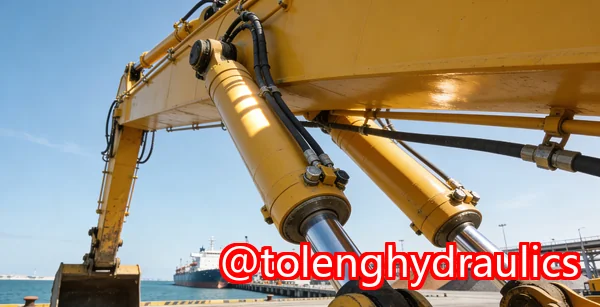
But here’s the thing: it doesn’t have to be this way. With the right approach to evaluating hydraulic cylinders before purchase and installation, you can avoid these costly failures. Today, I’m going to walk you through the process of identifying high-quality hydraulic cylinders that will deliver long-lasting performance, from assessing the material quality to inspecting seals, rods, and finishes.
Understanding Hydraulic Cylinder Quality
Hydraulic cylinders are an integral part of many industrial, agricultural, and construction machines. They convert hydraulic energy into mechanical force, powering everything from construction cranes to agricultural equipment and material handling systems. With so much riding on their reliability, it’s crucial to be able to distinguish high-quality cylinders from subpar ones.
Unfortunately, distinguishing genuine cylinder quality isn’t always easy. Many cylinders may look great on the surface but fail when it comes to the finer details. Let’s break down the key pain points you should watch for when evaluating hydraulic cylinders and how to overcome them.
Common Pain Points When Evaluating Hydraulic Cylinders
1. The Appearance Illusion:
A shiny, smooth cylinder might seem like it’s built for durability. But looks can be deceiving. Many manufacturers cut corners by using low-quality materials or poor manufacturing processes. What appears to be a top-tier cylinder might fail under heavy-duty use.
2. Seal Material and Performance:
One of the most common failures we see is seal leakage. Seals are often the first component to fail because they’re exposed to extreme conditionspressure, temperature changes, and contaminants. Choosing the wrong seal material for your application can lead to rapid wear and premature failure.
3. Bore Finish and Rod Damage:
Bore finishes that are too rough or too smooth can cause excessive wear on seals and rods. And the quality of the piston rod surface is just as important. Rods with a poor chrome plating thickness or surface defects can easily lead to costly breakdowns. Ensuring that all parts are manufactured to precise standards is essential.
Now that we’ve identified some of the common pitfalls, let’s dive into how to evaluate hydraulic cylinders to ensure you’re getting the best quality.
How to Inspect Hydraulic Cylinders for Quality
Here’s the step-by-step guide I recommend for assessing hydraulic cylinders before purchase:
1. Inspecting Cylinder Tube Material and Internal Bore Finish
The material of the cylinder tube is crucial because it affects the cylinder’s ability to withstand internal pressures and external wear. A low-quality material can lead to corrosion, weakening over time. Always ensure that the cylinder tube is made from durable steel and has a smooth, consistent internal bore finish. A high-quality bore finish reduces friction and minimizes the risk of premature wear.
Quick Tip:
Use a bore gauge to measure the internal diameter and check for any signs of scoring or irregularities. A uniform bore finish is a sign of quality manufacturing.
2. Evaluating Piston Rod Quality
The piston rod is exposed to intense forces and must be able to handle abrasion, corrosion, and other stressors. When inspecting the rod, check for the following:
-
Hardness: The rod should be hardened to withstand wear and tear. A good way to check is by performing a Rockwell hardness test.
-
Chrome Plating Thickness: Properly applied chrome plating prevents rust and provides a smooth surface for seals to glide over. Look for a thickness of at least 25 microns for durability.
-
Surface Finish: A polished surface finish is ideal to prevent damage to seals.
Quick Tip:
Check the straightness of the piston rod by measuring its deflection with a dial gauge. Any deviation could indicate a manufacturing defect.
3. Seal Material and Design
The seals are the first line of defense against leaks, and choosing the right type of seal is vital for performance. Here’s what to look for:
-
Material: High-quality seals are typically made from nitrile rubber, polyurethane, or fluorocarbon elastomers, depending on the application. Make sure the material is suited for the operating temperature and pressure of your machine.
-
Design: The seal’s design should allow for efficient lubrication and minimal wear. Look for seals with good compression set resistance to avoid deformation.
Quick Tip:
Inspect the seals for any visible cracks, nicks, or signs of wear. It’s also worth noting that seals should be tightly installed with no gaps or movement.
4. Weld Quality on Cylinder Ends and Mounts
Weld quality is another critical factor in hydraulic cylinder durability. Poor welding on the cylinder ends or mounting brackets can result in failures under pressure. Look for smooth, uniform welds with no signs of cracking or voids. Quality welds should be visible without any sharp edges or rough areas.
Quick Tip:
Inspect welds visually and by feel. If the weld feels uneven or you notice discoloration, it could be a sign of poor quality control.
5. Port Threads and Fitting Quality
The ports on a hydraulic cylinder must be precisely manufactured to ensure a leak-proof connection. Check that the threads are clean, smooth, and free of any imperfections that could cause leaks or fitting issues. It’s also essential to ensure that the fittings are securely fastened and designed to handle the expected pressure.
Quick Tip:
Use a thread gauge to check for correct thread profiles. Ensure that fittings are the right size and type for your hydraulic system.
Why It’s Worth Taking the Time to Inspect
By following these inspection guidelines, you can avoid costly downtime, extend the life of your hydraulic cylinders, and reduce maintenance costs. Properly inspecting hydraulic cylinders before purchase helps ensure that you’re investing in reliable, durable equipment that will perform under pressure. It also reduces the risk of unexpected breakdowns, keeping your operations running smoothly and efficiently.
Final Recommendations
If you’re serious about getting the best performance from your hydraulic cylinders, I highly recommend following these inspection guidelines. From checking the bore size and rod finish to evaluating seal materials and weld quality, these steps will ensure that your hydraulic cylinders deliver long-term reliability and performance. Don’t settle for cylinders that might look good on the outside but fail when it counts.
To make your selection process even easier, browse our collection of high-quality hydraulic cylinders at 🔗 Toleng Hydraulics. We provide reliable products built to last, with all the necessary quality checks in place to guarantee top-notch performance.
Also, don’t forget to download our complete hydraulic cylinder inspection checklist to help you assess cylinders before making your purchase. This guide will help you ensure that your equipment investments pay off in the long run.
Frequently Asked Questions (FAQs)
How can I tell if a hydraulic cylinder has quality seals?
Look for seals made from high-quality materials such as nitrile rubber, polyurethane, or fluorocarbon elastomers. Check for any visible cracks or wear.
What rod surface finish is best for long seal life?
A smooth, polished rod surface is best for preventing wear on seals. It reduces friction and helps seals glide smoothly over the rod.
How do I measure bore size and stroke length correctly?
Use a bore gauge to measure the internal diameter. The stroke length is typically specified by the manufacturer, but you can check it by measuring the travel distance of the piston within the cylinder.
What are the signs of a poorly manufactured cylinder?
Signs include rough welds, uneven rod surfaces, poorly applied chrome plating, and inconsistent bore finishes. These defects can lead to premature failures.
Which cylinder mounting styles are strongest?
Welded cylinders are typically stronger than tie-rod cylinders, especially for high-pressure applications. However, the right choice depends on your machine’s design and intended use.
How do I choose between welded and tie-rod cylinders?
Welded cylinders are more durable and capable of handling higher pressures, while tie-rod cylinders are more cost-effective and easier to repair. Consider the demands of your application when making your decision.
What chrome plating thickness should I look for on rods?
A minimum of 25 microns of chrome plating is recommended for durability. This helps prevent corrosion and ensures a smooth surface for seals.
Keywords:
hydraulic cylinder quality, cylinder seals, rod finish, bore size, hydraulic cylinder maintenance, cylinder inspection, welded hydraulic cylinder, tie-rod cylinder, hydraulic cylinder buying guide, cylinder failure prevention, hydraulic cylinder materials

