
Innovations in Hydraulic Cylinder Seal Technology
When working with heavy machinery, hydraulic cylinders play an essential role in keeping everything moving smoothly. However, for those who deal with industrial, construction, or agricultural equipment, the frustration of dealing with hydraulic cylinder failures is all too familiar. From premature seal failures to rod damage and leaks, these issues can quickly bring operations to a halt, causing costly downtime and expensive replacements. In my experience, not all hydraulic cylinders are created equal, and understanding the differences in quality can make a world of difference in your bottom line.
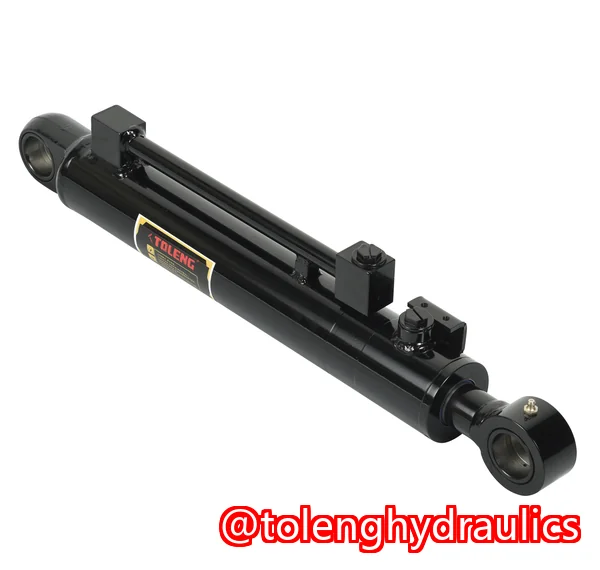
In this guide, we’ll dive into the innovative technologies in hydraulic cylinder seals and how you can evaluate cylinder quality to avoid costly failures. I’ll break down the inspection process so you can confidently assess hydraulic cylinders before making a purchase.
The Challenges of Choosing a Quality Hydraulic Cylinder
One of the most common challenges when selecting a hydraulic cylinder is distinguishing between genuinely high-quality cylinders and those that only look the part. The outward appearance of a cylinder can be deceiving, and without knowing what to look for, it’s easy to miss key signs of poor manufacturing.
For instance, many cylinders may look great on the surface but have subpar seal materials or poorly finished rods, which can quickly lead to problems in the field. Without understanding the technical aspects of cylinder construction, you might find yourself faced with premature wear, leaks, and expensive repairs far sooner than you’d like.
Here are three major pain points to consider when evaluating hydraulic cylinders:
-
Uncertainty About Seal Quality and Materials
Hydraulic seals are the lifeblood of the system, but finding the right seal for specific applications can be tricky. Using incorrect seals or poor-quality materials will almost certainly lead to leaks and early cylinder failure.
-
Rod Surface and Finish Issues
Rod damage, poor chrome plating, or an improper surface finish can wreak havoc on seal life and efficiency. Over time, these imperfections lead to wear and tear, resulting in premature failures.
-
Inconsistent Bore Finish
The bore finish inside the cylinder has a direct impact on how smoothly the piston operates. If the bore isn’t properly finished, it can lead to friction and wear, further damaging seals and reducing the cylinder’s overall lifespan.
Practical Guidance on How to Inspect Hydraulic Cylinders
When it comes to choosing high-quality hydraulic cylinders, proper inspection is key. Here’s a step-by-step guide on how to evaluate cylinder quality based on materials, seals, rods, and bore finish.
1. Cylinder Tube Material and Bore Finish
The material used for the cylinder tube is critical. Look for materials that are resistant to corrosion and wear, such as high-strength steel. The internal bore finish should be smooth and free of defects. Any imperfections in the bore will increase friction, which can lead to seal damage and a shortened cylinder life.
To check the bore finish, run a soft cloth or a fine abrasive across the surface to feel for rough spots. You should also measure the bore to ensure it meets the manufacturer’s specifications for diameter.
2. Piston Rod Hardness and Surface Finish
The piston rod’s hardness and chrome plating are also crucial factors in the cylinder’s performance. A rod with a hard surface prevents wear and minimizes the chances of rust or corrosion. Ideally, the chrome plating should be uniform and thick enough to offer robust protection.
How to Check:
-
Inspect the chrome plating for uniformity and thickness.
-
Check for any signs of pitting, cracking, or discoloration.
-
Use a hardness tester to confirm the rod’s hardness meets the manufacturer’s standards.
3. Seal Materials and Types
The seals inside the cylinder must be durable and appropriate for the application. For example, nitrile or polyurethane seals work well in general applications, but for high temperatures or certain chemicals, you may need a more specialized material like Viton or PTFE.
Tips for Inspection:
-
Check the seals for signs of cracking, wear, or improper fitting.
-
Ensure the seal material is rated for your application (pressure, temperature, fluid compatibility).
-
Look for any gaps or misalignment between seals and the cylinder.
4. Weld Quality on Cylinder Ends and Mounts
The ends and mounts of a hydraulic cylinder are often subject to high stress, so the quality of the welds is important. Poor welds can cause leakage, which can lead to premature cylinder failure.
How to Inspect:
-
Inspect the welds for consistency and evenness.
-
Ensure there are no signs of cracks or excessive spatter.
-
Make sure the cylinder’s mounting points align properly with your equipment to avoid unnecessary stress during operation.
Benefits of Proper Hydraulic Cylinder Inspection
Taking the time to thoroughly inspect hydraulic cylinders before purchase can prevent a host of issues down the road. Here are some of the key benefits of proper inspection:
-
Avoid Costly Downtime
Properly inspecting cylinders can help identify potential problems before they become failures, allowing you to avoid expensive repairs and costly downtime.
-
Extend Cylinder Lifespan
By choosing cylinders with the right materials and quality seals, you can significantly extend their lifespan and reduce the frequency of replacements.
-
Reduce Maintenance Costs
A well-chosen hydraulic cylinder requires less frequent maintenance, saving you time and money on repairs and replacements.
-
Ensure Safety and Performance
A high-quality cylinder will perform reliably, ensuring the safety of your equipment and the operators working with it.
Conclusion: My Recommendation for Hydraulic Cylinder Buyers
After years of working with hydraulic cylinders, I can confidently say that following a detailed inspection process is the key to ensuring long-term reliability and performance. It’s essential to look beyond appearances and dig into the details: inspecting the tube material, rod quality, seals, and mounting integrity can save you a great deal of trouble.
I highly recommend following these inspection guidelines to ensure any hydraulic cylinder purchase delivers long-term reliability and performance. If you’re ready to get started, browse our selection of high-quality hydraulic cylinders 🔗 here. You can also download our complete hydraulic cylinder inspection checklist today to help streamline your evaluation process.
Frequently Asked Questions
1. How can I tell if a hydraulic cylinder has quality seals?
Check for smooth, uniform seals that fit properly without gaps. Ensure they are made of durable materials suitable for your application.
2. What rod surface finish is best for long seal life?
A smooth, hard chrome-plated surface is ideal. This reduces friction and minimizes wear on the seals.
3. How do I measure bore size and stroke length correctly?
Use precise measuring tools like a micrometer to check the bore diameter, and a caliper or depth gauge for stroke length.
4. What are the signs of a poorly manufactured cylinder?
Signs include rough rod surfaces, inconsistent welds, poor seal fitment, and visible damage to the chrome plating.
5. Which cylinder mounting styles are strongest?
Welded cylinders generally offer stronger mounting than tie-rod cylinders due to their all-welded construction.
6. How do I choose between welded and tie-rod cylinders?
Welded cylinders are more robust and offer better resistance to external pressure, while tie-rod cylinders are easier to disassemble and repair.
7. What chrome plating thickness should I look for on rods?
Look for chrome plating that is at least 20 microns thick, with higher thickness for heavy-duty applications.
Tags or Keywords
-
hydraulic cylinder quality, cylinder seals, rod finish, bore size, hydraulic cylinder maintenance, cylinder inspection, welded hydraulic cylinder, tie-rod cylinder, hydraulic cylinder buying guide, cylinder failure prevention, hydraulic cylinder materials

