
Hydraulic Systems 101: The Role of the Hydraulic Cylinder
When it comes to maintaining heavy equipment, one of the most common and frustrating issues I’ve encountered is hydraulic cylinder failure. In the world of industrial, construction, and agricultural machinery, the health of your hydraulic cylinders can make or break your operations. Think about it: when a hydraulic cylinder fails, it can lead to unexpected downtime, costly repairs, and sometimes even catastrophic breakdowns. One minute everything’s running smoothly, and the next, you’re faced with expensive repairs and a delay in your workflow.
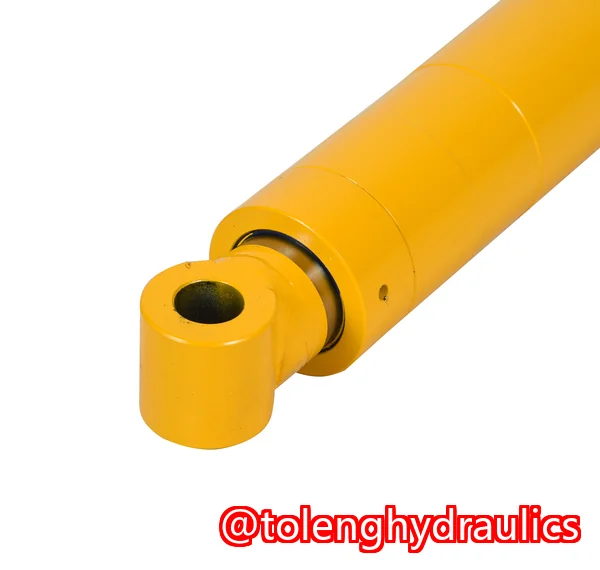
As an equipment owner or maintenance professional, the importance of selecting the right hydraulic cylinder cannot be overstated. But with so many options out there, how can you be sure you’re making the right choice? In this guide, I’ll walk you through how to identify high-quality hydraulic cylinders and avoid common pitfalls that lead to premature failures. From understanding rod finishes to evaluating bore sizes, you’ll learn exactly what to look for when sourcing hydraulic cylinders for your machinery.
Common Problems and How to Solve Them
When you’re in the market for a hydraulic cylinder, the quality isn’t always obvious at first glance. It’s easy to be swayed by the appearance of the cylinder or the price, but this can be a costly mistake. Let me walk you through a few of the most common issues I see when inspecting hydraulic cylinders and the steps I take to avoid them.
Problem #1: Premature Seal Failure
One of the most common reasons for hydraulic cylinder failure is premature seal failure. Poor seals can lead to fluid leaks, which not only waste resources but also reduce the overall efficiency of the system. The quality of the seals should be one of the first things you check. Look for high-quality, durable materials such as polyurethane or rubber seals designed for the specific temperature range and application.
Problem #2: Rod Damage
Another issue I’ve seen far too often is rod damage. This often happens due to poor manufacturing or improper handling during transportation. A damaged rod can lead to seal failure, which brings us back to problem #1, or even more severe failures like leaks or loss of pressure. Checking the surface finish and hardness of the rod is essential in identifying potential issues before they become costly problems.
Problem #3: Inconsistent Bore Finishes
A smooth, consistent bore finish is crucial to the longevity of a hydraulic cylinder. A rough bore finish can cause increased friction and premature wear, leading to failure sooner than expected. When evaluating a cylinder, be sure to check the internal finish of the bore and make sure it meets the recommended standards for your specific application.
How to Inspect Hydraulic Cylinders Like a Pro
Now that we’ve covered some common pain points, let’s dive into how you can evaluate the quality of a hydraulic cylinder before making a purchase. Here are my top inspection methods:
1. Inspect Cylinder Tube Material and Bore Finish
Start by checking the material of the cylinder tube. High-quality hydraulic cylinders are often made from materials like high-strength steel or aluminum alloys, depending on the application. The tube material should be free from defects, cracks, or corrosion. Once you’ve checked the tube, move on to the bore finish. It should be smooth and free of burrs or rough areas. A smooth bore ensures minimal friction between the piston and the cylinder, helping to prevent premature wear.
2. Check Rod Surface Finish and Hardness
Next, inspect the piston rod for any signs of damage, rust, or corrosion. The surface finish of the rod should be smooth, free of pitting or scratches, and evenly coated with chrome plating. This plating helps reduce friction and prevents wear on the seals. Additionally, check the hardness of the rod. A properly hardened rod will be more resistant to damage, helping to extend the life of the cylinder.
3. Evaluate Seal Materials and Design
The quality of the seals used in a hydraulic cylinder is critical for ensuring long-term performance. The seal material should be selected based on the application, and it should be able to handle the temperature, pressure, and fluid type used in your system. For example, nitrile rubber seals are good for general-purpose applications, while fluorocarbon seals are better for high-temperature applications. Make sure the seals are installed correctly, as improper installation can also lead to leaks and failures.
4. Verify Weld Quality and Mounting Integrity
Finally, check the welds on the cylinder ends and mounts. The quality of the welding directly impacts the durability of the cylinder. Poor welds can result in cylinder failure due to weak points in the structure. Look for clean, even welds with no signs of cracks or other imperfections. The mounting integrity is also crucialensure that the mounting holes are aligned properly and that the mounting brackets are strong and well-secured.
Why Proper Inspection Matters
I can’t emphasize enough how much proper inspection can save you in the long run. By taking the time to thoroughly inspect a hydraulic cylinder before purchasing, you can avoid:
-
Costly Equipment Downtime: Prevent breakdowns by catching quality issues early.
-
Reduced Maintenance Costs: Save money by selecting cylinders that last longer and perform better.
-
Increased Safety: Ensure that your equipment operates reliably, reducing the risk of accidents or failures in critical situations.
With the right inspection methods, you can identify potential problems before they cause issues on the job. By selecting quality hydraulic cylinders, you can improve the overall performance and reliability of your machinery.
My Recommended Inspection Checklist
Here’s a step-by-step checklist I use to evaluate hydraulic cylinders:
-
Bore Finish: Ensure smooth, consistent finish to prevent increased friction.
-
Rod Hardness: Check the hardness of the rod to ensure it’s resistant to wear.
-
Chrome Plating: Look for an even, thick coating of chrome on the rod.
-
Seal Quality: Inspect the seals for signs of wear or improper installation.
-
Cylinder Tube Material: Verify that the material is high-quality and free from defects.
-
Weld Quality: Ensure clean, even welds without cracks or imperfections.
-
Mounting Integrity: Verify proper alignment of mounting holes and brackets.
Conclusion: Invest in Quality for Long-Term Performance
Choosing the right hydraulic cylinder is an investment in your equipment’s long-term performance. I highly recommend following these inspection guidelines to ensure any hydraulic cylinder purchase delivers reliable, long-lasting results. By taking a few extra minutes to evaluate the materials, seals, rods, and welds, you can prevent failures and minimize maintenance costs.
Browse our selection of high-quality hydraulic cylinders at 🔗 Toleng Hydraulics or download our complete hydraulic cylinder inspection checklist to start ensuring the reliability of your equipment today.
Frequently Asked Questions
1. How can I tell if a hydraulic cylinder has quality seals?
Look for seals made from durable materials like polyurethane or rubber, designed for your specific application’s temperature and pressure requirements. Ensure the seals are properly installed and not showing signs of wear.
2. What rod surface finish is best for long seal life?
A smooth, chrome-plated surface is ideal as it reduces friction and prevents wear on the seals. Ensure the plating is uniform and thick enough to protect the rod from damage.
3. How do I measure bore size and stroke length correctly?
Use a precise caliper or bore gauge to measure the internal diameter of the cylinder bore. For stroke length, measure from the fully retracted piston position to the fully extended position.
4. What are the signs of a poorly manufactured cylinder?
Signs include rough bore finishes, uneven or weak welds, damaged rods, poor seal materials, and poorly aligned mounting holes.
5. Which cylinder mounting styles are strongest?
Welded cylinders tend to be stronger and more durable than tie-rod cylinders, as they provide a more secure and rigid mounting.
6. How do I choose between welded and tie-rod cylinders?
Welded cylinders offer more strength and are typically used for higher-pressure applications, while tie-rod cylinders are more cost-effective and easier to maintain.
7. What chrome plating thickness should I look for on rods?
Look for chrome plating that is at least 0.002 inches thick to ensure proper protection against wear and corrosion.
Keywords:
-
hydraulic cylinder quality
-
cylinder seals
-
rod finish
-
bore size
-
hydraulic cylinder maintenance
-
cylinder inspection
-
welded hydraulic cylinder
-
tie-rod cylinder
-
hydraulic cylinder buying guide
-
cylinder failure prevention
-
hydraulic cylinder materials

