
The Rise of Carbon Fiber Hydraulic Cylinders
When you’re working with heavy machinery or industrial equipment, hydraulic cylinders are the unsung heroes. From construction vehicles to agricultural machinery, they’re essential for lifting, pushing, and controlling your machines. But here’s the problem I’ve encountered: not all hydraulic cylinders are created equal, and finding a high-quality one can be daunting. You may face costly issues like premature seal failures, rod damage, or even leaks that disrupt your operations.
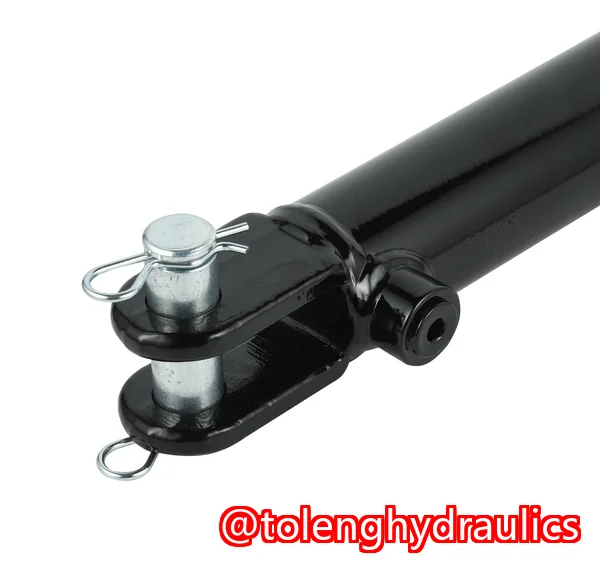
As someone who’s worked with hydraulics for years, I’ve seen it all and I’ve learned that the quality of the cylinder you choose can make or break your project. That’s why it’s crucial to learn how to evaluate hydraulic cylinders before buying them. In this guide, we’re focusing on carbon fiber hydraulic cylinders a newer, more advanced material that’s quickly becoming the go-to option for many industries.
Why Quality Matters
Before diving into the specifics of carbon fiber cylinders, let’s address why cylinder quality is so important in the first place. If you’re like me, you’ve probably encountered hydraulic cylinders that didn’t live up to expectations. The wrong choice can result in:
-
Seal failure: This leads to leaks, reducing the cylinder’s performance and even causing damage to other parts.
-
Rod damage: Poorly finished rods can wear down seals quickly, shortening the life of the cylinder.
-
Unreliable performance: Cylinders that don’t meet quality standards can lead to unpredictable machinery behavior, wasting time and increasing downtime.
These failures usually cost more in repairs and lost productivity than it would to ensure you’re selecting a high-quality cylinder from the beginning. And that’s where inspection comes in.
Carbon Fiber Hydraulic Cylinders: The Future of Hydraulics?
In recent years, carbon fiber has been gaining traction as a material choice for hydraulic cylinders. As much as steel and aluminum have been reliable, carbon fiber is lighter, stronger, and more durable. It can withstand high pressure while remaining significantly lighter, making it perfect for high-performance machinery and vehicles. But how can you ensure you’re getting a high-quality carbon fiber cylinder?
Step-by-Step Inspection Guide
To get the most out of your hydraulic cylinder, whether it’s made of carbon fiber or another material, you’ll need to inspect several key features to determine quality. Here are the critical areas to focus on:
-
Cylinder Tube Material and Bore Finish
-
What to look for: The material of the cylinder tube should be durable and resistant to corrosion. Carbon fiber is corrosion-resistant, which is a big plus. Check the bore finish for any signs of unevenness or roughness.
-
Why it matters: A poor bore finish can cause excessive wear and tear on seals, leading to leaks and failure.
-
-
Piston Rod Surface Finish and Hardness
-
What to look for: The piston rod should have a smooth, even surface, ideally chrome-plated for durability. Check the rod for straightness as well.
-
Why it matters: A rough or bent rod will damage the seals, leading to premature failure. The hardness of the rod is crucial too it should be hard enough to resist bending under pressure but flexible enough to absorb stress without cracking.
-
-
Seal Materials and Types
-
What to look for: Inspect the seals for flexibility, durability, and material quality. Nitrile, polyurethane, and Viton seals are common. Ensure they match the conditions they’ll face in your specific application.
-
Why it matters: The wrong seal material can wear out quickly or even fail under specific conditions, such as high temperatures or aggressive chemicals. This can result in oil leaks, system malfunctions, and unexpected downtime.
-
-
Mounting Styles and Weld Quality
-
What to look for: The cylinder’s mounts should be strong and securely welded. Look for any signs of weak welds or inconsistencies in the mounting points.
-
Why it matters: Poor welds can cause the cylinder to fail at the attachment points, leading to catastrophic damage. Strong, well-designed mounts ensure the cylinder performs reliably.
-
-
Chrome Plating on Rods
-
What to look for: The chrome plating on the rod should be even and thick enough to prevent wear and corrosion. A good cylinder will have a plating that is 20 to 25 microns thick.
-
Why it matters: Thin or uneven chrome plating can cause the rod to wear down quickly, which can lead to leaks and reduced lifespan.
-
Practical Tips for Inspecting Cylinders
-
Bore Size & Stroke Length: Use a precise measuring tool to verify the bore size and stroke length. This ensures the cylinder fits your equipment properly and operates smoothly.
-
Seal Installation: A seal that’s improperly installed will leak or wear prematurely. Ensure it’s seated correctly and there’s no visible damage or cracks.
-
Rod Straightness: Use a straight edge or measuring tool to verify the rod is perfectly straight. A bent rod can cause uneven pressure distribution, leading to faster wear.
-
Thread and Fitting Quality: Inspect the port threads and fittings for any signs of wear, cracks, or inconsistencies. Poor thread quality can cause leaks, while low-quality fittings can lead to instability.
By ensuring that these areas meet quality standards, you’ll avoid many of the common issues that plague hydraulic cylinders. Whether you’re working with carbon fiber or traditional materials, these guidelines are essential for making an informed purchase.
Why Choose Toleng Hydraulics?
At Toleng Hydraulics, we take pride in providing high-quality hydraulic cylinders that stand up to the rigors of industrial, construction, and agricultural work. With a focus on precision engineering and advanced materials like carbon fiber, our cylinders are built to last.
If you want reliable hydraulic systems that minimize downtime and maximize performance, we offer an extensive selection of products designed to meet your needs. You can 🔗 browse our full selection of hydraulic cylinders to find the perfect fit for your equipment.
Conclusion
Selecting the right hydraulic cylinder is crucial for ensuring your machinery performs at its best. By following these inspection tips, you’ll be able to identify high-quality cylinders that will provide long-term reliability and performance. I highly recommend following these inspection guidelines to ensure any hydraulic cylinder purchase delivers long-term reliability and performance.
If you’re ready to make a smart purchase, 🔗 download our complete hydraulic cylinder inspection checklist today and avoid costly mistakes!
FAQs
1. How can I tell if a hydraulic cylinder has quality seals?
Look for seals that are made of durable materials like Viton or polyurethane. The seals should fit tightly in the gland and show no signs of cracking or deformation.
2. What rod surface finish is best for long seal life?
A smooth, chrome-plated rod is ideal for preventing seal wear. The surface should be free of scratches, pits, or rough spots that can damage seals.
3. How do I measure bore size and stroke length correctly?
Use a caliper to measure the bore size and stroke length. The stroke length is the maximum distance the rod can travel within the cylinder, and the bore size should match your equipment’s requirements.
4. What are the signs of a poorly manufactured cylinder?
Look for uneven welds, poorly finished rods, rough bores, and inconsistent plating. These can all be signs of poor manufacturing quality that could lead to premature failure.
5. Which cylinder mounting styles are strongest?
Welded mounts tend to be the strongest, especially when the welds are clean and evenly distributed. Tie-rod cylinders can also be strong if they’re well-designed and properly assembled.
6. How do I choose between welded and tie-rod cylinders?
Welded cylinders are more durable and offer better resistance to harsh conditions. Tie-rod cylinders are easier to repair but may not offer the same strength and durability as welded cylinders.
7. What chrome plating thickness should I look for on rods?
A thickness of 20 to 25 microns is ideal. This provides a good balance between durability and flexibility, helping the rod resist wear and corrosion over time.
Keywords:
hydraulic cylinder quality, cylinder seals, rod finish, bore size, hydraulic cylinder maintenance, cylinder inspection, welded hydraulic cylinder, tie-rod cylinder, hydraulic cylinder buying guide, cylinder failure prevention, hydraulic cylinder materials

