
Hydraulic Cylinder Manufacturers: How to Find a Reliable Supplier
When you’re sourcing hydraulic cylinders for heavy machinery, it’s easy to feel overwhelmed by the sheer number of options available. As someone who’s been involved in the industry for a while, I’ve seen it firsthandpremature cylinder failures, leaks, and expensive repairs can put a real strain on any operation. The worst part? These failures often happen when you’re least prepared, and sometimes they could have been prevented with a more careful selection process.
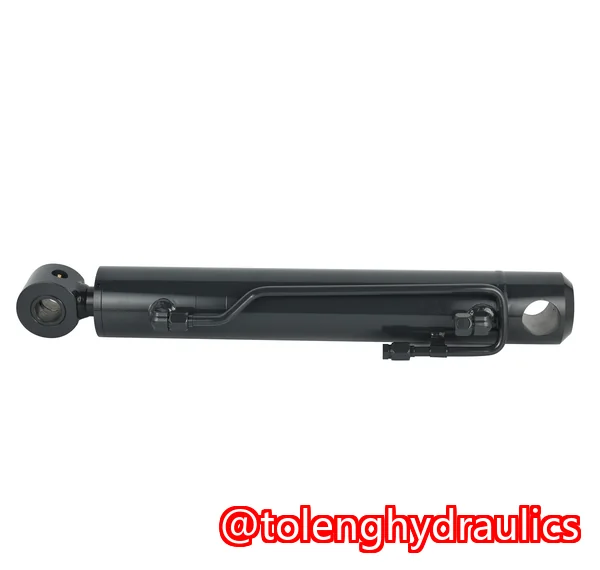
But how do you know you’re choosing the right supplier? How can you ensure the hydraulic cylinders you’re buying will hold up under the pressure of construction, agricultural, or industrial work?
In this post, I’ll share some practical, hands-on advice to help you evaluate the quality of hydraulic cylinders before making a purchase. It’s not just about price; it’s about understanding the details that make a hydraulic cylinder reliable and durable. Let’s get into the specifics of cylinder quality and the steps you can take to avoid expensive downtime.
Common Pain Points When Evaluating Hydraulic Cylinders
Purchasing hydraulic cylinders for your equipment is not as simple as looking at the appearance or comparing prices. Here are a few common pain points buyers face:
-
Identifying Genuine Quality Beyond Appearance
At first glance, some cylinders may seem identical in terms of shape, size, and even finish. But looks can be deceiving. You might be looking at a cylinder that’s aesthetically polished, but internally, it could be made from inferior materials or have poor manufacturing processes that make it less reliable in the long run.
-
Confusion Over Seal Materials and Rod Surface Finishes
It’s easy to get lost in the technical jargon of seal types, rod hardness, and surface finishes. Without understanding how these factors affect cylinder performance, you might end up with a product that doesn’t meet your operational needs.
-
Inconsistent Bore Finishes and Premature Wear
If the internal bore finish isn’t up to standard, you’ll see wear and tear much sooner than expected. This could lead to seal failure or decreased hydraulic efficiency, both of which can result in equipment breakdowns and costly repairs.
Why Proper Hydraulic Cylinder Inspection is Critical
With so much riding on hydraulic cylinders, you can’t afford to take chances with subpar quality. Let me break down some of the most important inspection steps you should take to ensure you’re getting the most reliable cylinders for your machinery.
1. Cylinder Tube Material and Internal Bore Finish
The material and finish of the cylinder tube affect how well the hydraulic fluid flows and how the seals perform over time. Here’s how you can assess it:
-
Material: High-quality hydraulic cylinders are usually made from carbon steel, which resists rust and corrosion. The material should be smooth without visible defects like cracks, pitting, or rough areas.
-
Bore Finish: The internal bore finish needs to be smooth and uniform. Any inconsistencies can cause wear on the seals, which leads to leaks or early failures. Look for a finish that’s free of grooves, scratches, or scoring.
2. Piston Rod Quality
The piston rod plays a key role in the cylinder’s functionality. It must be strong enough to handle the pressure and movement without bending or wearing prematurely.
-
Hardness: Check the hardness of the rod. Harder rods resist wear better and last longer.
-
Chrome Plating: A high-quality hydraulic rod should have a thick chrome plating to protect against rust and wear. The chrome layer must be even and not too thin, as thin plating can wear off quickly under harsh conditions.
-
Surface Finish: The rod’s surface should be smooth and free of any marks or roughness that could damage seals.
3. Seals and Materials
Hydraulic seals are crucial for preventing leaks and maintaining pressure. Here’s what to look for:
-
Material: The seal material needs to be appropriate for your application. Different environments require different sealsrubber seals may be fine for light-duty tasks, but high-pressure applications often need polyurethane or even metal seals.
-
Seal Quality: Check for any signs of cracking, brittleness, or poor installation. An improperly installed seal will fail much quicker than one that’s been placed correctly.
4. Weld Quality on Cylinder Ends and Mounts
Welds are critical because they hold the entire cylinder together. Poorly executed welds can lead to leaks, misalignment, or even complete cylinder failure. Inspect the welds carefully to ensure they are even, without gaps or signs of overheating. A good weld should be smooth, continuous, and free from burn marks.
Practical Tips for Ensuring Long-Term Cylinder Reliability
Now that we’ve covered the main inspection areas, let’s get into some practical tips for evaluating hydraulic cylinders:
-
Accurately Measure Bore Size and Rod Diameter: Use a caliper to measure both the bore and rod diameter. Any discrepancy could indicate poor manufacturing, which could lead to malfunction.
-
Check for Rod Straightness: Lay the rod on a flat surface and roll it to check for straightness. A bent rod will cause uneven wear on seals and other parts.
-
Inspect Port Threads and Fitting Quality: Port threads should be clean and free of damage. They should screw on tightly to ensure a leak-proof connection. Loose or poorly threaded ports can cause fluid leaks.
-
Look for Signs of Corrosion: Any visible corrosion on the rod, cylinder body, or fittings is a red flag. This can signal the cylinder hasn’t been properly coated or treated for rust resistance.
By performing these checks, you’ll avoid the expensive consequences of buying low-quality cylinders. Remember, a small upfront investment in quality can pay off in longer service life and reduced maintenance costs.
Conclusion: Making the Right Choice
Choosing a reliable hydraulic cylinder supplier is not just about saving a few bucks. It’s about making an investment in your equipment’s performance and longevity. I highly recommend following these inspection guidelines to ensure any hydraulic cylinder purchase delivers long-term reliability and performance. Whether you’re managing construction machinery, agricultural equipment, or industrial systems, these steps will help you avoid costly failures and unplanned downtime.
Browse our selection of high-quality hydraulic cylinders today at 🔗 Toleng Hydraulics, or download our complete hydraulic cylinder inspection checklist for a more detailed guide to quality control.
Frequently Asked Questions (FAQ)
-
How can I tell if a hydraulic cylinder has quality seals?
Check for uniformity in the seal’s installation. It should sit snugly and not be misaligned. Also, verify the material used for seals and ensure it’s suitable for your application.
-
What rod surface finish is best for long seal life?
A smooth, chrome-plated surface with a thickness of at least 25 microns (0.025mm) will ensure long-lasting seals.
-
How do I measure bore size and stroke length correctly?
Use a caliper to measure the internal bore and rod diameter accurately. For stroke length, measure the distance the rod travels when the cylinder is fully extended.
-
What are the signs of a poorly manufactured cylinder?
Look for rough surfaces, inconsistent finishes, defective welds, and visible signs of corrosion.
-
Which cylinder mounting styles are strongest?
Welded cylinders tend to be stronger and more durable than tie-rod cylinders, especially under high pressure.
-
How do I choose between welded and tie-rod cylinders?
Welded cylinders are ideal for heavy-duty applications where strength and durability are crucial. Tie-rod cylinders are more commonly used in lighter-duty systems where ease of maintenance is prioritized.
-
What chrome plating thickness should I look for on rods?
Aim for at least 25 microns of chrome plating for long-lasting performance and resistance to wear.
Tags/Keywords
-
Hydraulic cylinder quality
-
Cylinder seals
-
Rod finish
-
Bore size
-
Hydraulic cylinder maintenance
-
Cylinder inspection
-
Welded hydraulic cylinder
-
Tie-rod cylinder
-
Hydraulic cylinder buying guide
-
Cylinder failure prevention
-
Hydraulic cylinder materials

