
Where to Buy Hydraulic Cylinders Online: A Retail Guide
When you’re looking to purchase hydraulic cylinders for your heavy machinery or industrial applications, it’s easy to get overwhelmed by the vast options available online. I’ve been there before: you find yourself staring at product pages with conflicting information, uncertain about what to look for. After all, a hydraulic cylinder is more than just a metal tube with a pistonit’s a key component that affects the performance, safety, and longevity of your equipment.
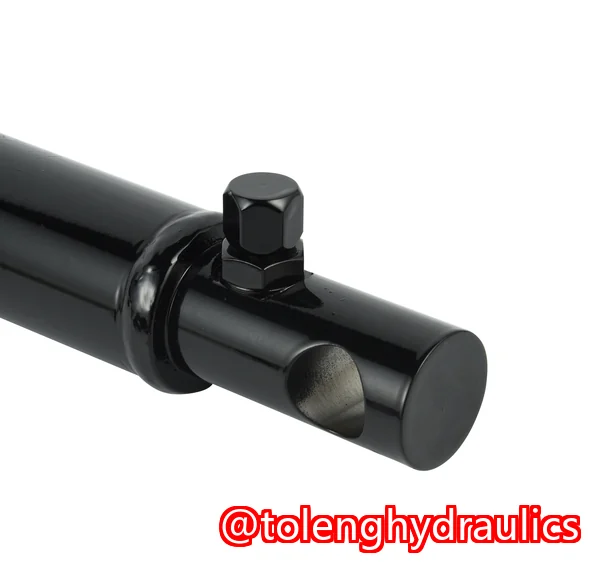
I’ve learned from experience that not all cylinders are created equal, and making the wrong choice can lead to premature seal failure, rod damage, and leaks. These issues can bring operations to a halt and create costly downtime. So, how can you ensure you’re buying a high-quality hydraulic cylinder that’ll last? In this guide, I’ll walk you through what to look for when sourcing hydraulic cylinders, share practical inspection tips, and help you avoid the common mistakes that lead to cylinder failure. Let’s dive in!
Why Hydraulic Cylinder Quality Matters
Hydraulic cylinders are used in countless applicationsfrom construction equipment to agricultural machinery, industrial automation, and material handling. These cylinders are under constant stress and pressure, so their quality directly impacts the performance and safety of the equipment they serve.
When a hydraulic cylinder fails, it doesn’t just cause a minor inconvenienceit can shut down entire operations, leading to lost time and money. Issues like leaks, seal damage, and improper rod finishes can quickly escalate, forcing expensive repairs or replacements.
This is why it’s crucial to buy the right cylinder and inspect it properly before installing it in your equipment.
Common Hydraulic Cylinder Quality Issues
Here are some of the most common problems people face when buying hydraulic cylinders:
-
Premature Seal Failure
-
Hydraulic seals are vital for preventing leakage and ensuring smooth operation. But seals made from low-quality materials or improperly installed can fail early, causing leaks and operational disruptions.
-
-
Rod Damage and Surface Defects
-
The piston rod is constantly exposed to friction and pressure. Poor surface finish or inadequate chrome plating can lead to rod wear and even damage the seals, which in turn causes further cylinder failure.
-
-
Incorrect Bore Finish
-
If the cylinder’s internal bore isn’t properly finished, it can lead to uneven pressure distribution, increased wear, and a shorter lifespan for the cylinder.
-
-
Unreliable Mounting and Welds
-
If the cylinder ends and mounts are poorly welded or not designed to handle the stresses of your specific application, the cylinder could fail prematurely under load.
-
These issues often stem from poorly manufactured or improperly inspected cylinders. That’s why it’s essential to know what to look for when you’re sourcing hydraulic cylinders.
How to Inspect Hydraulic Cylinders for Quality
Before purchasing a hydraulic cylinder, it’s important to know how to properly inspect it. Here are the steps you can follow to ensure you’re getting a high-quality product.
1. Check the Cylinder Tube Material and Bore Finish
-
A high-quality cylinder tube is made from durable materials that can withstand high pressure and wear. Look for cylinders made from high-strength steel or other durable alloys.
-
Inspect the bore finish carefully. It should be smooth and free from visible defects like scratches or pitting. Any imperfections in the bore finish can cause uneven wear on the piston and seals.
2. Inspect the Piston Rod
-
The piston rod should be made of hardened steel and have a smooth, consistent chrome plating. The chrome should be thick enough (at least 0.002-0.003 inches) to protect against corrosion and wear.
-
Check for any surface defects, such as rust, scratches, or pits. These can all cause issues with the seals and shorten the life of the cylinder.
-
Make sure the rod is straight. Even a slight bend can affect the cylinder’s operation and lead to premature wear.
3. Evaluate Seal Types and Materials
-
Seals play a huge role in hydraulic cylinder longevity. Check what material the seals are made of and whether they’re suitable for the operating environment. For example, seals made from nitrile rubber may work well in general conditions, but if you’re dealing with high temperatures or aggressive chemicals, you’ll need seals made from more specialized materials like fluorocarbon or polyurethane.
-
Also, pay attention to the seal installation. Seals that are poorly installed or misaligned can lead to premature failure, even if the materials are of good quality.
4. Check the Welds and Mounting
-
The cylinder ends and mounting brackets should have high-quality welds. Inspect the welds to ensure they’re smooth and free from cracks, voids, or other defects. Poor welds can compromise the strength of the cylinder and cause failure under heavy loads.
-
Look for signs that the mounting is designed for your specific application. Some applications, like mobile hydraulics, require specialized mounting styles that can handle high levels of stress and movement.
5. Verify Cylinder Stroke and Bore Size
-
Accurately measure the stroke length and bore size to ensure they match your equipment’s requirements. A cylinder with the wrong stroke length or bore size won’t perform correctly and could lead to operational problems.
6. Review the Manufacturer’s Reputation
-
When buying hydraulic cylinders online, consider the manufacturer’s reputation. Brands like Toleng Hydraulics are known for producing high-quality cylinders with rigorous quality control. Always check for customer reviews, certifications, and warranty information to ensure you’re buying from a trusted source.
Practical Tips for Buying Hydraulic Cylinders
To further help with your purchasing decision, here are some practical tips:
-
Don’t Be Fooled by Looks: A shiny, polished exterior doesn’t always mean a high-quality cylinder. Make sure to check internal components and perform thorough inspections.
-
Stick to Trusted Brands: When in doubt, buy from reputable manufacturers like Toleng Hydraulics. Their products undergo stringent quality checks to ensure long-lasting performance.
-
Check the Warranty: Always look for cylinders with a warranty. A solid warranty reflects the manufacturer’s confidence in the product’s durability.
-
Order a Sample: If possible, order a single cylinder first to test it out. This way, you can inspect it in person before placing a bulk order.
Conclusion: Make Informed Hydraulic Cylinder Purchases
Choosing the right hydraulic cylinder doesn’t have to be a daunting task. By following these inspection guidelines, you can ensure you select a reliable, high-quality cylinder that will provide long-lasting performance and minimize downtime.
I highly recommend following these inspection steps whenever you’re purchasing hydraulic cylinders. Not only will this save you from costly repairs and replacements, but it’ll also help extend the life of your equipment.
Ready to make an informed choice? Browse our selection of high-quality hydraulic cylinders at 🔗 Toleng Hydraulics and download our complete hydraulic cylinder inspection checklist today.
FAQ
1. How can I tell if a hydraulic cylinder has quality seals?
-
Look for seals made from durable materials, such as polyurethane or fluorocarbon. Check that the seals are correctly installed and show no signs of wear or misalignment.
2. What rod surface finish is best for long seal life?
-
A smooth, consistent chrome plating with a thickness of 0.002-0.003 inches is ideal. This prevents corrosion and minimizes wear on the seals.
3. How do I measure bore size and stroke length correctly?
-
Use a micrometer or caliper to measure the internal bore. For stroke length, extend the piston and measure the total travel distance.
4. What are the signs of a poorly manufactured cylinder?
-
Look for defects such as visible cracks in the welds, poor surface finish on the rod, pitting in the bore, or misaligned seals. These can all indicate low-quality manufacturing.
5. Which cylinder mounting styles are strongest?
-
Welded mounting styles tend to be stronger than tie-rod designs because they are more robust and better able to withstand heavy loads.
6. How do I choose between welded and tie-rod cylinders?
-
Welded cylinders are typically more durable and better suited for high-pressure applications, while tie-rod cylinders are easier to repair and may be suitable for lighter-duty work.
7. What chrome plating thickness should I look for on rods?
-
A thickness of 0.002-0.003 inches is generally recommended. This ensures adequate protection from wear and corrosion without adding unnecessary weight.
Tags or Keywords
-
hydraulic cylinder quality, cylinder seals, rod finish, bore size, hydraulic cylinder maintenance, cylinder inspection, welded hydraulic cylinder, tie-rod cylinder, hydraulic cylinder buying guide, cylinder failure prevention, hydraulic cylinder materials

