
Heavy-Duty Hydraulic Cylinders for Mining Equipment
When I first started overseeing equipment maintenance in the mining sector, I quickly realized not all hydraulic cylinders are created equal. One afternoon, a loader stopped mid-shift because of a leaking cylinder, halting operations for hours. Premature seal failures, rod scratches, and unnoticed bore imperfections were costing my team both time and money. Over the years, I’ve learned that knowing what to look for when buying or inspecting hydraulic cylinders can make the difference between smooth operations and constant downtime.
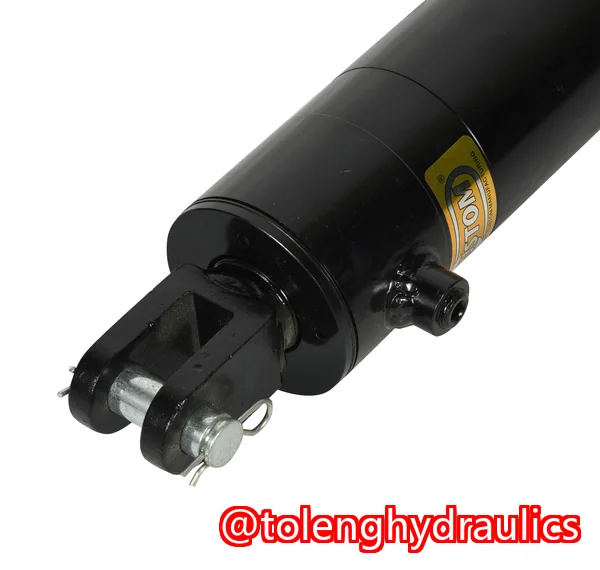
Mining equipmentloaders, excavators, haul trucksrelies heavily on hydraulic cylinders to perform tasks under extreme loads. Yet many procurement teams and maintenance engineers face a recurring challenge: identifying cylinders that will last under harsh conditions. Even high-priced units can hide flaws that lead to early failures. That’s where a methodical inspection and understanding of cylinder quality becomes essential. With Toleng hydraulics as a reference guide, I’ve developed practical methods to evaluate cylinders before they’re installed.
Common Pain Points When Selecting Hydraulic Cylinders
When evaluating hydraulic cylinders, I often see three major issues:
-
Quality isn’t always obvious at first glance
Cylinders may look robust externally, but superficial appearance doesn’t guarantee performance. Some units have polished exteriors and high-end branding but still suffer from poor internal bore finishes or substandard rod plating.
-
Uncertainty about seals and rod surfaces
Selecting the right seal material and rod finish is critical. I’ve encountered cylinders with seals meant for light-duty applications used in mining equipmentresulting in leakage within weeks. Likewise, rods with uneven chrome plating or insufficient hardness scratch easily, shortening cylinder life.
-
Inconsistent bore and weld quality
A poorly finished bore causes uneven piston movement, leading to seal wear. Welds that are uneven or under-penetrated can fail under load, especially in heavy-duty applications like mining.
Understanding these pain points is the first step in making informed purchases that reduce maintenance headaches and downtime.
How to Evaluate Hydraulic Cylinder Quality
To help my team avoid costly failures, I follow a hands-on inspection approach, focusing on the following areas:
1. Cylinder Tube Material and Bore Finish
-
Ensure the cylinder tube is made from high-quality steel or alloy suitable for heavy loads.
-
Run a finger along the bore (or use a specialized gauge) to check for smoothness. Imperfections can accelerate seal wear.
-
Look for precision honing marksthese are often subtle spiral lines inside the cylinder tube that promote lubrication retention and reduce friction.
2. Piston Rod Hardness and Surface Finish
-
Measure rod hardness with a portable hardness tester; rods should meet manufacturer specifications for load-bearing applications.
-
Check chrome plating thickness: a minimum of 2025 microns is typical for heavy-duty applications, but Toleng hydraulics’ reference charts can confirm exact specs.
-
Inspect the rod visually for scratches, dents, or uneven plating. A rod with imperfections will damage seals immediately after installation.
3. Seal Type and Material Evaluation
-
Identify seal type: U-cups, rod wipers, or O-rings. Each has its optimal application.
-
Check compatibility: seals should match hydraulic fluid type, operating temperature, and load conditions.
-
Ensure proper installation: misaligned or damaged seals are the leading cause of leaks in new cylinders.
4. Weld and Mounting Integrity
-
Inspect welds at cylinder ends and mounts; look for even bead width, no porosity, and consistent penetration.
-
Evaluate mounting style: flange, clevis, or trunnion mounts should be robust and free of cracks or distortions.
5. Bore Size and Rod Diameter Accuracy
-
Measure the cylinder bore with a bore gauge to confirm it matches manufacturer specifications. An oversized or undersized bore can compromise piston movement.
-
Verify rod diameter; a slightly undersized rod may seem fine visually but will reduce load capacity and cause seal extrusion.
6. Port Threads and Fitting Quality
-
Check for clean threads and properly machined ports. Cross-threaded or rough fittings can lead to leaks and complicate maintenance.
-
Consider using a torque gauge when installing fittings to avoid overtightening, which can distort threads.
Benefits of Proper Inspection
By following these steps, I’ve seen the following advantages in day-to-day operations:
-
Avoid costly downtime: Catching substandard cylinders before installation prevents work stoppages.
-
Extend cylinder service life: Properly inspected rods, seals, and bore finishes reduce wear and tear.
-
Reduce maintenance costs: Identifying flaws early means fewer emergency repairs and lower spare part consumption.
-
Ensure operational safety: Mining equipment operates under extreme loads, so reliable cylinders protect operators and machinery alike.
Practical Tips for Inspecting Cylinders
Here are some quick, actionable checks I recommend:
-
Measuring Bore Size and Rod Diameter: Use calibrated bore and micrometer gauges, and compare with manufacturer specs.
-
Detecting Poor Seal Quality: Look for visible cracks, brittle material, or uneven edges. Gently compress the seal to check elasticity.
-
Checking Rod Straightness: Place the rod on V-blocks and rotate it to observe runout. Any wobble can cause uneven wear.
-
Inspecting Surface Defects: Run a fingernail across the rod; any grooves, scratches, or pits should be rejected.
-
Evaluating Port Threads: Insert fittings without force. Threads should turn smoothly without resistance.
Real-World Examples
I remember one loader with a leaking cylinder that was replacing parts every two months. By switching to cylinders verified through Toleng hydraulics’ inspection guidelines, we extended the service interval to over a year, even under the same heavy-duty mining schedule. Another case involved a high-pressure hydraulic press where uneven bore finish caused seal extrusion. Correct inspection and selection of a properly honed cylinder eliminated the recurring failure. These experiences highlight why investing time in inspection pays off in operational reliability.
Conclusion
I highly recommend following these inspection guidelines to ensure any hydraulic cylinder purchase delivers long-term reliability and performance. Focus on the bore finish, rod hardness, seal quality, and weld integrity before committing to installation. Taking these steps can save significant time, reduce maintenance costs, and protect your equipment and operators from unnecessary risk.
Browse our selection of high-quality hydraulic cylinders: 🔗 https://tolenghydraulics.com/contact/
Download our complete hydraulic cylinder inspection checklist today to make your next purchase with confidence.
FAQ
1. How can I tell if a hydraulic cylinder has quality seals?
Check for uniform material, flexibility, and absence of cracks. Properly manufactured seals should fit snugly without excess force and be compatible with your hydraulic fluid.
2. What rod surface finish is best for long seal life?
A smooth, polished rod with consistent chrome plating between 2025 microns helps prevent premature seal wear and scratching.
3. How do I measure bore size and stroke length correctly?
Use a bore gauge for cylinder tubes and a tape or dial indicator for stroke length. Always compare with manufacturer specifications.
4. What are the signs of a poorly manufactured cylinder?
Look for uneven welds, scratches or pits on the rod, inconsistent bore honing, and misaligned mounts. Any of these indicate potential early failure.
5. Which cylinder mounting styles are strongest?
Welded flange or clevis mounts are typically stronger for heavy-duty applications, while trunnion mounts provide flexibility but require precise alignment.
6. How do I choose between welded and tie-rod cylinders?
Welded cylinders are often stronger and more compact, ideal for mining and heavy loads. Tie-rod cylinders are easier to service but may be better for light- to medium-duty tasks.
7. What chrome plating thickness should I look for on rods?
For heavy-duty use, 2025 microns is the standard. Thicker plating improves wear resistance and corrosion protection.
Tags/Keywords: hydraulic cylinder quality, cylinder seals, rod finish, bore size, hydraulic cylinder maintenance, cylinder inspection, welded hydraulic cylinder, tie-rod cylinder, hydraulic cylinder buying guide, cylinder failure prevention, hydraulic cylinder materials, hydraulic seal types, cylinder bore finish, rod chrome plating
This approach ensures mining and heavy equipment operators, maintenance engineers, and procurement specialists can confidently select hydraulic cylinders that withstand demanding conditions, reduce downtime, and protect costly machinery.

