
Best Practices for Hydraulic Cylinder Maintenance
When managing heavy equipment, one of the most frustrating and costly issues I’ve encountered is hydraulic cylinder failure. I’ve seen projects grind to a halt because of premature seal leaks, bent piston rods, or cylinders that just couldn’t handle the workload. These problems aren’t just inconvenientthey can lead to significant downtime, repair costs, and even safety risks on the job site. Over time, I’ve learned that not all hydraulic cylinders are built the same, and knowing how to evaluate their quality is critical. In this post, I’ll walk you through practical, real-world tips for inspecting and maintaining hydraulic cylinders, helping you avoid costly surprises and get the most out of your equipment.
Understanding Common Hydraulic Cylinder Pain Points
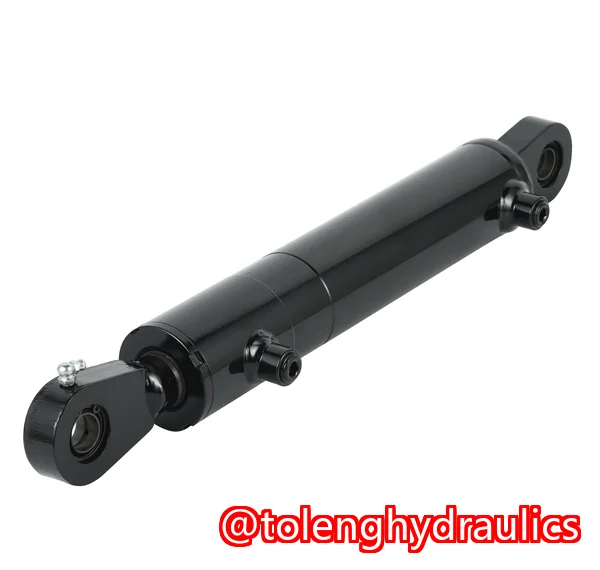
Even experienced engineers and maintenance teams can struggle when selecting hydraulic cylinders. Here are some of the challenges I’ve seen in the field:
-
Misleading appearances: Cylinders may look solid on the outside, but internal issues like poor bore finish or substandard rod plating can cause early failures.
-
Seal uncertainties: Choosing the wrong seal material or design for your operating conditions often results in leaks and frequent replacements.
-
Rod and bore inconsistencies: Improper rod hardness, uneven chrome plating, or inconsistent bore finish can lead to scoring, sticking, or reduced cylinder lifespan.
These pain points are why I recommend using Toleng hydraulics as a reference guide. Their inspection resources make it easier to identify high-quality cylinders before committing to a purchase, whether for construction, industrial, or agricultural machinery.
How to Inspect Hydraulic Cylinder Quality
Evaluating hydraulic cylinder quality doesn’t have to be intimidating. With a few practical checks, you can identify potential issues before they cause downtime. Here’s what I focus on during inspections:
Cylinder Tube Material and Bore Finish
-
Check the tube material: Look for high-grade steel or alloy tubes, as these resist wear and corrosion better than cheaper alternatives.
-
Inspect the bore finish: Run your fingers along the inside (safely) or use a light to look for smooth, uniform surfaces. Rough or uneven bores can damage seals and reduce cylinder efficiency.
Piston Rod Hardness and Surface Quality
-
Hardness testing: The rod should have consistent hardness throughout, which prevents bending under pressure.
-
Chrome plating: Ensure the rod has sufficient chrome thickness (commonly 0.0050.010 inches) and a mirror-like finish to protect against corrosion and seal wear.
-
Surface finish: Look for a smooth, defect-free rod surface. Even minor scratches can compromise seal life.
Seal Selection and Inspection
-
Material suitability: Choose seals made from polyurethane, nitrile, or other materials appropriate for your hydraulic fluid and operating temperature.
-
Fit and installation: Inspect seals for proper seating and uniformity. Poorly installed seals often lead to leaks within weeks of operation.
-
Seal type: Consider wiper, rod, and piston seals, ensuring each matches the cylinder’s operating conditions.
Welds and Mounts
-
Weld quality: Check cylinder ends and mounting brackets for smooth, consistent welds without cracks or undercuts.
-
Mounting integrity: Ensure pin bores are correctly aligned, bushings are tight, and any threaded mounts are clean and free from damage. Improper mounting can cause rod misalignment and premature wear.
Practical Tips for Hands-On Evaluation
Here are some actionable steps I always take when inspecting a hydraulic cylinder:
-
Measure bore size and rod diameter accurately: Use calipers or micrometers to confirm dimensions match specifications. Even small deviations can affect performance.
-
Check rod straightness: Roll the rod on a flat surface or use a dial indicator to detect bends. A bent rod can damage seals and create leaks.
-
Look for surface defects: Scratches, pitting, or rust on the rod are red flags.
-
Inspect port threads and fittings: Ensure threads are clean, undamaged, and compatible with your hydraulic system. Poor-quality ports can cause leaks or fitting failures.
By performing these checks, I can confidently identify cylinders that will last and avoid those likely to fail prematurely.
Benefits of Proper Hydraulic Cylinder Inspection
Taking the time to evaluate cylinder quality pays off in several ways:
-
Reduce downtime: By catching potential issues early, you avoid unplanned repairs that halt operations.
-
Extend service life: Properly selected and maintained cylinders can last years longer, maximizing ROI.
-
Lower maintenance costs: Identifying quality problems before purchase prevents repeated replacements and labor expenses.
-
Enhance safety: Reliable cylinders reduce the risk of accidents caused by unexpected hydraulic failure.
Real-World Examples
On a recent construction site, a contractor purchased several low-cost cylinders for their backhoe loaders. Within weeks, two rods were bent, and seals began leaking. Had they inspected the cylinders according to the steps above, they would have identified poor chrome plating and inconsistent bore finishes. Switching to Toleng hydraulics’ recommended cylinders solved the problem, and maintenance downtime was reduced by 70%.
Similarly, in agricultural machinery, I’ve seen poorly sealed cylinders allow moisture into the bore, causing rust and pitting. Regular inspection and choosing cylinders with high-quality seals prevented these failures in subsequent purchases.
Conclusion
Selecting and maintaining hydraulic cylinders doesn’t have to be a guessing game. By inspecting cylinder materials, bore finishes, rod quality, seal types, weld integrity, and mounts, you can ensure long-term performance and reliability. I highly recommend following these inspection guidelines to ensure any hydraulic cylinder purchase delivers consistent results. For those looking to source quality equipment confidently, Toleng hydraulics provides comprehensive guidance and products to make the process easier.
Browse our selection of high-quality hydraulic cylinders: 🔗 https://tolenghydraulics.com/contact/
Download our complete hydraulic cylinder inspection checklist today.
FAQs
1. How can I tell if a hydraulic cylinder has quality seals?
Check for uniformity, material suitability for your operating conditions, and proper installation. High-quality seals fit snugly without gaps or twists.
2. What rod surface finish is best for long seal life?
A smooth, mirror-like finish with minimal surface roughness reduces friction and extends seal longevity. Chrome plating thickness of 0.0050.010 inches is ideal.
3. How do I measure bore size and stroke length correctly?
Use a micrometer or caliper to measure bore diameter. Measure stroke length from fully retracted to fully extended positions, ensuring alignment with manufacturer specifications.
4. What are the signs of a poorly manufactured cylinder?
Look for bent rods, uneven chrome plating, rough or scratched bores, substandard seals, and inconsistent welds. Any of these indicate potential premature failure.
5. Which cylinder mounting styles are strongest?
Welded mounts provide high structural integrity, while properly installed pin or trunnion mounts can handle dynamic loads effectively. Avoid poorly aligned or loosely fitted mounts.
6. How do I choose between welded and tie-rod cylinders?
Welded cylinders are ideal for heavy-duty applications requiring compact design, while tie-rod cylinders are easier to disassemble for maintenance and repair. Choose based on workload, maintenance needs, and space constraints.
7. What chrome plating thickness should I look for on rods?
Aim for 0.0050.010 inches of hard chrome plating. This thickness ensures corrosion resistance, wear protection, and seal longevity.
Keywords
hydraulic cylinder quality, cylinder seals, rod finish, bore size, hydraulic cylinder maintenance, cylinder inspection, welded hydraulic cylinder, tie-rod cylinder, hydraulic cylinder buying guide, cylinder failure prevention, hydraulic cylinder materials, hydraulic cylinder inspection, cylinder quality control, hydraulic seal types, cylinder bore finish, rod chrome plating

