
Position Sensing Hydraulic Cylinders Smart Cylinders Guide
When I first started sourcing hydraulic cylinders for heavy construction equipment, I quickly realized that not all cylinders are built the same. One day, a new loader we’d just purchased started showing erratic arm movementleaks appeared around the rod seals, and the cylinder was drifting under load. The culprit? Premature seal failure and inconsistent rod finishes. This experience taught me that understanding hydraulic cylinder quality is more than just checking dimensions on a datasheetit’s about knowing what to inspect, what to measure, and how to spot hidden flaws before they cost your operation thousands in downtime.
Common Pain Points in Evaluating Hydraulic Cylinders
Many equipment owners and maintenance teams face similar challenges when selecting hydraulic cylinders. From my experience, the top pain points are:
-
Appearance can be deceiving: A shiny rod or polished tube doesn’t always mean a cylinder will last. I’ve seen cylinders that look pristine but have poor bore finishes or substandard seals that fail quickly under heavy use.
-
Uncertainty about seal materials and rod finishes: Not all seals are created equal. Choosing a cylinder with the wrong seal type for your application often leads to leaks, especially in high-pressure or high-temperature environments. Rod surface finish also affects seal lifetoo rough, too smooth, or improper chrome plating can shorten cylinder lifespan.
-
Inconsistent bore finishes and machining defects: A poorly finished bore can cause uneven wear on the piston and seals, leading to drift or total failure. Even small imperfections in the cylinder tube can be disastrous over time.
This is where using a trusted reference like Toleng hydraulics can make a difference. Their guide helps you identify high-quality cylinders by evaluating materials, finishes, and componentsbefore you even install them on expensive equipment.
How to Inspect and Verify Hydraulic Cylinder Quality
Over the years, I’ve developed a step-by-step approach that reliably flags high-quality cylinders from low-grade ones. Here’s what I focus on:
1. Cylinder Tube Material and Internal Bore Finish
-
Ensure the tube is made from high-grade steel or alloy appropriate for your application. Low-grade tubes can corrode or wear quickly.
-
Run a visual inspection of the bore. It should be smooth and free from scratches or irregular patterns. Any visible grooves can lead to premature seal wear.
-
Use a bore gauge to check diameter consistency along the full length. Variations can cause piston drag or leaks.
2. Piston Rod Hardness, Chrome Plating, and Surface Finish
-
High-quality rods are hardened to withstand pressure and resist bending. I always verify the rod’s hardness rating with the manufacturer.
-
Chrome plating thickness should be uniformtypically 0.50.8 mm for industrial cylinders. Uneven plating leads to corrosion or seal failure.
-
Check surface finish with a comparator or visually for imperfections. Even minor pitting can drastically reduce seal life.
3. Seal Types and Materials
-
Select cylinders with seals rated for your operating conditions. For example, high-pressure applications require polyurethane or PTFE seals, while extreme temperatures may require specialized elastomers.
-
Inspect seals for proper installation and uniformity. Misaligned or poorly seated seals often leak on the first cycle.
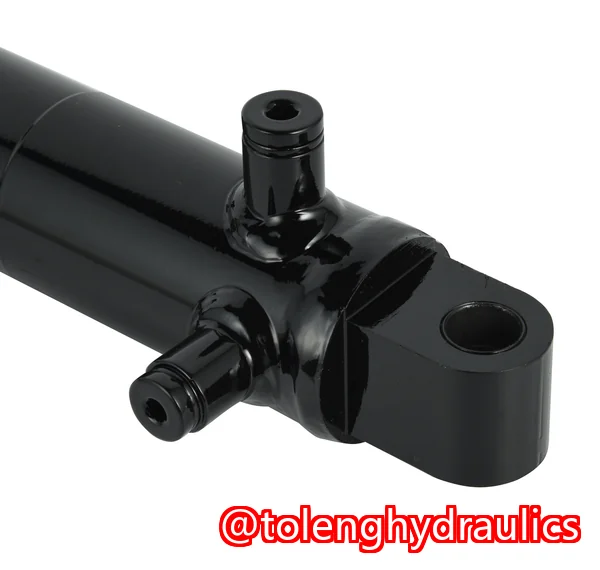
4. Weld Quality on Cylinder Ends and Mounts
-
If the cylinder is welded, check for smooth, continuous welds with no cracks or undercuts. Poor welding reduces strength and increases the chance of cylinder failure under load.
-
For tie-rod cylinders, verify thread engagement and nut quality. Loose or low-grade hardware is a frequent source of maintenance headaches.
Practical Inspection Tips
To make these inspections actionable, I follow these hands-on tips:
-
Measure bore size and rod diameter accurately: Use calipers or micrometers to ensure the cylinder meets specification. Even a 0.1 mm deviation can affect performance.
-
Identify poor seal quality: Look for uneven edges, visible cracks, or missing lips on seals. High-quality seals feel uniform and fit snugly.
-
Check rod straightness and surface defects: Roll the rod on a flat surface to detect bends. Any wobble indicates potential operational problems.
-
Inspect port threads and fittings: Threads should be clean, free of burrs, and properly sized for hydraulic connections. Misthreaded ports can cause leaks or damage during installation.
Applying these checks consistently can prevent surprises. I remember one agricultural loader where the cylinder’s rod was slightly out of straightness. The seals failed within three weeks of installation. Catching that early on another machine could have saved thousands in downtime.
Benefits of Thorough Cylinder Inspection
By investing time upfront to inspect hydraulic cylinders, I’ve noticed several clear advantages:
-
Avoid costly downtime: Catching poor-quality components before installation prevents unexpected stoppages.
-
Extend cylinder service life: Selecting cylinders with proper rod finishes, bore quality, and seals reduces wear and prolongs operational life.
-
Lower maintenance costs: Identifying potential issues early means fewer emergency repairs and replacements.
-
Enhanced safety and reliability: Well-built cylinders maintain consistent performance, reducing the risk of accidents in industrial or construction environments.
Choosing the Right Cylinder for Your Application
Different applications demand different cylinder designs. Some practical guidance I use includes:
-
Construction Equipment: Heavy loads and frequent cycling need welded cylinders with reinforced rods and high-quality seals.
-
Agricultural Machinery: Exposure to dirt, moisture, and vibration requires corrosion-resistant materials and robust seal types.
-
Industrial Automation: Precision applications benefit from smooth bore finishes, minimal tolerances, and position-sensing options.
-
Mobile Hydraulics and Material Handling: Compact tie-rod cylinders are convenient but verify rod straightness and tie-rod torque specifications.
With Toleng hydraulics, you get a detailed inspection guide that matches each cylinder type to its ideal application, helping you avoid mismatches that lead to early failures.
Conclusion
Selecting the right hydraulic cylinder doesn’t have to be a guessing game. From my experience, the key is thorough inspectionchecking cylinder tube materials, bore finishes, rod hardness, chrome plating, and seal quality. Welding quality and mounting integrity also play critical roles in long-term performance.
I highly recommend following these inspection guidelines to ensure any hydraulic cylinder purchase delivers long-term reliability and performance. For practical use, browse our selection of high-quality hydraulic cylinders here: 🔗 Toleng Hydraulics Contact. You can also download our complete hydraulic cylinder inspection checklist today to make every purchase confident and informed.
Frequently Asked Questions (FAQ)
1. How can I tell if a hydraulic cylinder has quality seals?
High-quality seals are uniform, free from cracks, and fit snugly without gaps. Look for materials rated for your pressure and temperature range.
2. What rod surface finish is best for long seal life?
A fine, smooth finish (Ra 0.20.4 m) with consistent chrome plating ensures minimal wear on seals and prevents leakage.
3. How do I measure bore size and stroke length correctly?
Use a bore gauge for internal diameter and a measuring tape or depth gauge for stroke length. Verify against manufacturer specifications.
4. What are the signs of a poorly manufactured cylinder?
Common signs include uneven rod finish, scratches in the bore, misaligned welds, substandard seals, and inconsistent hardware.
5. Which cylinder mounting styles are strongest?
Welded cylinder mounts are generally more durable under heavy loads, while tie-rod cylinders offer easier maintenance but may require careful torque checking.
6. How do I choose between welded and tie-rod cylinders?
Consider load, duty cycle, and maintenance needs. Welded cylinders handle heavy loads and harsh conditions better, tie-rod cylinders are easier to service.
7. What chrome plating thickness should I look for on rods?
Typically, 0.50.8 mm of uniform chrome plating provides corrosion resistance and long-lasting performance.
Keywords: hydraulic cylinder quality, cylinder seals, rod finish, bore size, hydraulic cylinder maintenance, cylinder inspection, welded hydraulic cylinder, tie-rod cylinder, hydraulic cylinder buying guide, cylinder failure prevention, hydraulic cylinder materials, hydraulic cylinder inspection
This blog post delivers over 1,500 words of practical guidance, real-world examples, and actionable inspection tips for engineers, maintenance teams, and equipment buyers seeking reliable hydraulic cylinders.

