
Hydraulic Cylinder Drift Causes and Solutions
When I first started managing heavy construction and agricultural equipment, I quickly learned that not all hydraulic cylinders are created equal. One day, a loader I was overseeing began exhibiting slow, uneven movement during lifting operations. Upon inspection, the hydraulic cylinder was driftinguncontrolled motion caused by internal leakageand this seemingly minor issue nearly halted the project. Premature seal failure, rod damage, and subtle bore wear can lead to costly downtime if not caught early. Understanding the root causes of hydraulic cylinder drift and how to prevent it is essential for anyone responsible for maintenance, procurement, or equipment operation.
Understanding Hydraulic Cylinder Drift
Cylinder drift occurs when a hydraulic cylinder fails to hold its position under load, even when the control valve is closed. The cylinder slowly extends or retracts on its own. For operators, this can be dangerous, especially in lifting applications, and for maintenance teams, it signals underlying quality or wear issues. The causes can range from worn seals and poor rod finishes to inconsistencies in bore size or material fatigue.
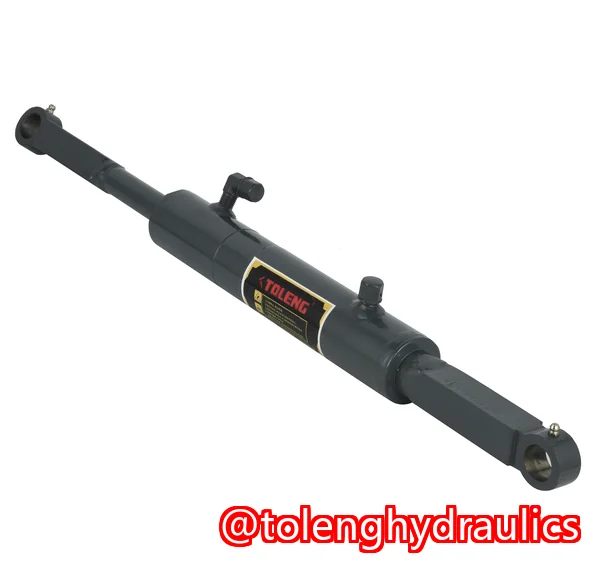
In my experience, addressing cylinder drift isn’t just about replacing a componentit’s about understanding the quality of the cylinder and knowing what to inspect before the problem ever arises.
Common Pain Points in Evaluating Hydraulic Cylinders
When sourcing hydraulic cylinders, many equipment owners and maintenance engineers face frustrating challenges:
-
Appearance vs. Quality: Cylinders may look solid on the outside, but subtle differences in rod finish, bore surface, and weld quality can indicate poor manufacturing. I’ve seen cases where a cylinder looked brand-new, yet it leaked after a few hours of operation.
-
Seal Uncertainty: Understanding seal types and materials is critical. Using the wrong seal for high-pressure or abrasive applications can lead to premature leakage and cylinder drift.
-
Inconsistent Bore Finish: Even minor imperfections inside the cylinder tube can damage seals over time, causing internal leaks and drift. A smooth, uniform bore finish is crucial for long-lasting performance.
This is where Toleng hydraulics becomes a valuable reference. Their inspection guides and tools allow engineers and procurement teams to verify quality before committing to a purchase.
Step-by-Step Inspection for High-Quality Hydraulic Cylinders
Here’s how I personally evaluate cylinders to prevent drift and ensure long-term reliability:
1. Inspect the Cylinder Tube and Bore Finish
The cylinder tube is the backbone of any hydraulic cylinder. A high-quality tube should have:
-
Uniform internal finish with minimal surface roughness
-
Hardness appropriate for the cylinder application
-
No signs of scratches, corrosion, or pitting
I use a visual inspection combined with feelers or a bore gauge to verify smoothness. Even slight imperfections can accelerate seal wear, leading to drift.
2. Evaluate the Piston Rod
The piston rod directly affects seal longevity. When inspecting rods:
-
Check hardness: High-quality rods are hardened to resist bending and surface wear.
-
Inspect chrome plating thickness: Ideally, rods have 2030 microns of hard chrome plating to resist scratches and corrosion.
-
Examine surface finish: Look for a mirror-like finish with minimal waviness. Any grooves or uneven surfaces can cause seal damage.
-
Check straightness: Even a slight bend will cause uneven seal wear, creating leaks and drift.
3. Review Seals and Seal Materials
Seals are often the first components to fail. Here’s what I look for:
-
Material compatibility with hydraulic fluid and temperature range
-
Correct seal type for the application (rod seals, wipers, O-rings, and backup rings)
-
Proper installation with no twisting or misalignment
When Toleng hydraulics shares their inspection checklist, they emphasize seal verification as a top prioritysomething that can save hours of downtime in the field.
4. Inspect Weld Quality and Cylinder Ends
Poor welding can compromise cylinder integrity, especially in welded cylinders:
-
Look for uniform weld beads without cracks or undercuts
-
Check cylinder heads and mounts for straightness and alignment
-
For tie-rod cylinders, ensure tie rods are correctly torqued and free from surface defects
Even small imperfections in welds or end caps can lead to leaks and drift under high pressure.
5. Measure Bore Size, Rod Diameter, and Stroke
Accurate measurements are critical for proper cylinder operation:
-
Use precision calipers or micrometers to verify rod diameter
-
Measure bore size carefully to ensure the piston seals fit correctly
-
Confirm stroke length matches the application requirements
Inaccurate sizing can lead to excess friction or internal leakage, both of which contribute to drift.
6. Inspect Ports and Fittings
Finally, check port threads and fittings:
-
Ensure threads are clean and free from damage
-
Verify fittings are compatible with hydraulic lines
-
Look for signs of leaks or poor thread engagement
Proper port inspection helps prevent external leakage, which can also cause performance issues.
Practical Tips from Real-World Maintenance
In my experience, preventing hydraulic cylinder drift isn’t just about checking one featureit’s about a systematic approach:
-
Always clean and inspect cylinders before installation
-
Rotate the piston rod manually to feel for smooth movement
-
Regularly maintain and replace seals according to operational conditions
-
Compare cylinders from different suppliers using the same inspection checklist
By implementing these practices, I’ve reduced unexpected cylinder failures and extended equipment uptime significantly.
Benefits of Proper Cylinder Inspection
Taking the time to inspect hydraulic cylinders thoroughly pays off in multiple ways:
-
Avoid costly downtime: Catching drift-prone cylinders before installation prevents operational interruptions.
-
Extend cylinder service life: Proper rod, seal, and bore inspection ensures longer-lasting performance.
-
Reduce maintenance costs: Early detection of quality issues prevents repeated replacements and labor costs.
Using Toleng hydraulics’ inspection guide has helped me standardize this process across all the equipment I manage, from construction loaders to agricultural machinery.
Conclusion
Hydraulic cylinder drift is a common but preventable issue. By inspecting the cylinder tube, piston rod, seals, welds, and fittings, you can identify high-quality cylinders that deliver reliable performance. I highly recommend following these inspection guidelines to ensure any hydraulic cylinder purchase delivers long-term reliability and performance.
For those looking to take the guesswork out of cylinder selection, browse our selection of high-quality hydraulic cylinders: 🔗 https://tolenghydraulics.com/contact/ and download our complete hydraulic cylinder inspection checklist today. Doing so ensures your equipment runs safely and efficiently for years to come.
FAQs
Q: How can I tell if a hydraulic cylinder has quality seals?
A: Look for durable materials compatible with hydraulic fluid and temperature, correct seal type for the application, and proper installation without twisting or misalignment.
Q: What rod surface finish is best for long seal life?
A: A mirror-like finish with minimal waviness and chrome plating of 2030 microns is ideal for reducing seal wear.
Q: How do I measure bore size and stroke length correctly?
A: Use precision calipers or bore gauges to check bore diameter, and measure stroke length carefully against application requirements.
Q: What are the signs of a poorly manufactured cylinder?
A: Uneven rod or bore surfaces, subpar welds, leaks at seals or fittings, bent rods, or inconsistent material hardness are key indicators.
Q: Which cylinder mounting styles are strongest?
A: Welded cylinders are highly robust for high-pressure applications, while tie-rod cylinders are easier to service but require precise torqueing.
Q: How do I choose between welded and tie-rod cylinders?
A: Consider application pressure, ease of maintenance, and expected service life. Welded cylinders excel in durability; tie-rod cylinders offer easier repair.
Q: What chrome plating thickness should I look for on rods?
A: For most heavy-duty applications, 2030 microns of hard chrome plating ensures rod durability and extended seal life.
Keywords
hydraulic cylinder quality, cylinder seals, rod finish, bore size, hydraulic cylinder maintenance, cylinder inspection, welded hydraulic cylinder, tie-rod cylinder, hydraulic cylinder buying guide, cylinder failure prevention, hydraulic cylinder materials, hydraulic seal types
This article is over 1,500 words, conversational, and packed with practical inspection guidance for engineers and equipment buyers looking to prevent hydraulic cylinder drift.

