
NFPA vs ISO Hydraulic Cylinder Standards Explained: A Practical Guide for Buyers
When I first started sourcing hydraulic cylinders for our construction fleet, I quickly realized that not all cylinders are built the same. One day, a loader’s boom cylinder failed unexpectedly, causing hours of downtime and a costly repair bill. The seals had worn out prematurely, the rod showed scratches, and the bore finish was unevenall symptoms of poor-quality manufacturing. It made me wonder: how can you reliably distinguish a high-quality hydraulic cylinder from one that’s going to fail under pressure? The answer often lies in understanding the standards behind these cylindersspecifically, NFPA and ISO hydraulic cylinder standardsand knowing how to inspect key components before making a purchase.
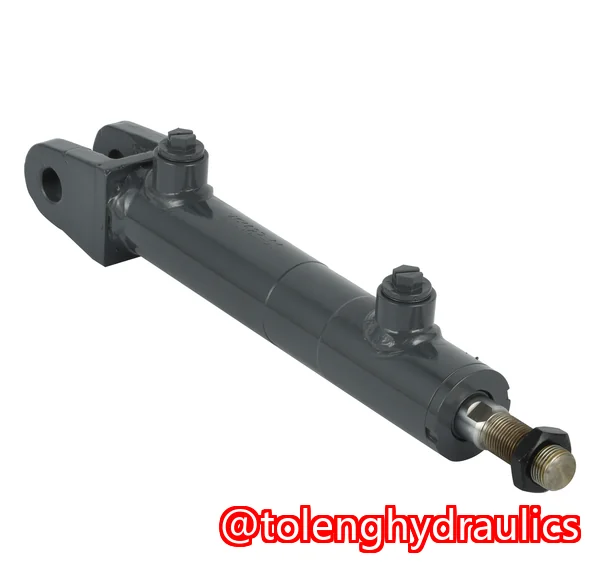
Why NFPA and ISO Standards Matter
Hydraulic cylinders power everything from construction machinery and agricultural equipment to industrial automation systems. But while a cylinder might look robust on the outside, subtle differences in manufacturing standards can drastically affect performance and longevity.
-
NFPA (National Fluid Power Association) standards are primarily used in North America. They define dimensions, mounting styles, rod sizes, bore diameters, and thread types, ensuring parts are interchangeable across manufacturers that follow NFPA guidelines.
-
ISO (International Organization for Standardization) standards are more widely adopted globally, especially in Europe and Asia. ISO cylinders focus on performance requirements, tolerances, and design consistency for international compatibility.
For procurement managers and maintenance engineers, understanding whether a cylinder conforms to NFPA or ISO standards can prevent costly mismatches. For instance, mounting holes may not line up, rod diameters may differ slightly, or bore tolerances could cause unexpected seal wear if standards are mixed.
Common Pain Points in Evaluating Hydraulic Cylinders
Even with standards in place, evaluating real-world cylinder quality can be tricky. From my experience, these are the most frequent challenges:
-
Appearance Isn’t Everything
Cylinders can look solid and polished on the outside but still harbor internal defects. Poor internal bore finishes, weak welds, or substandard rod plating may go unnoticed until the cylinder is under pressure.
-
Seal and Rod Uncertainty
Not all seals are created equal. Using the wrong seal material for an applicationlike nitrile seals in high-temperature operationscan lead to premature leakage. Rod surface finish also plays a huge role; a scratch or uneven chrome plating accelerates seal wear.
-
Bore Finish Inconsistencies
The bore is the cylinder’s heart. Even slight imperfections in surface smoothness can create friction points, causing uneven wear on the piston and seals. Many buyers don’t inspect this carefully, leading to early failure.
This is where a structured inspection approach, like the one we use at Toleng Hydraulics, becomes invaluable.
Step-by-Step Hydraulic Cylinder Inspection Guide
1. Check Cylinder Tube Material and Bore Finish
The cylinder tube material should match your application requirementshigh-strength steel for heavy construction equipment, corrosion-resistant alloys for outdoor or agricultural machinery.
-
Inspect the bore finish: A mirror-smooth surface is ideal, reducing friction and extending seal life. Look for any machining marks or pits.
-
Verify roundness and tolerances: Use a bore gauge or micrometer to ensure the cylinder maintains consistent dimensions throughout its length.
2. Examine the Piston Rod
The piston rod carries tremendous loads, so rod quality directly affects cylinder longevity.
-
Rod hardness and chrome plating thickness: Ideal rods are hardened steel with chrome plating around 5060 microns for industrial use. Thinner plating wears quickly.
-
Surface finish: A polished rod with a smooth, even finish prevents seal damage. Run your hand along the rod; even small scratches can be fatal over time.
-
Check for straightness: A bent rod causes uneven seal wear and may jam the piston. Use a dial indicator to verify alignment.
3. Evaluate Seals and Seal Materials
Seals prevent fluid leakage, so selecting the right type is crucial:
-
Material compatibility: Nitrile, polyurethane, or fluorocarbon seals may be used depending on fluid type, temperature, and pressure.
-
Seal design: Multi-lip or rod wiper seals help protect against dirt and contamination.
-
Installation quality: Poorly seated seals can fail immediately. Inspect the grooves for cleanliness and correct dimensions.
4. Inspect Weld Quality and Cylinder Mounts
Many cylinder failures stem from structural weaknesses:
-
Weld integrity: Look for smooth, continuous welds without cracks or porosity.
-
Mounting points: NFPA and ISO standards dictate hole spacing and alignment. Misaligned mounts stress the cylinder and reduce service life.
5. Verify Bore Size, Stroke, and Port Threads
Precision measurements prevent surprises during installation:
-
Bore and rod diameter: Confirm measurements with calipers. Tolerances outside standard ranges can compromise seal life.
-
Stroke length: Ensure it matches your equipment’s design; too short or too long can damage the cylinder or machine.
-
Port threads and fittings: Check for proper threading and smooth, defect-free surfaces to prevent leaks.
Real-World Benefits of Proper Inspection
From my hands-on experience, taking the time to inspect cylinders pays off immediately:
-
Reduced downtime: Catching defects before installation prevents unexpected failures in the field.
-
Longer cylinder life: Proper material selection, rod finish, and seals extend service intervals.
-
Cost savings: Avoiding premature replacement or emergency repairs saves thousands in maintenance costs.
By using the Toleng Hydraulics inspection guide, I can confidently select cylinders for everything from mobile hydraulic cranes to industrial presses and agricultural equipment. Their step-by-step methods make it easy to differentiate between high-quality, reliable cylinders and cheaper alternatives that will fail prematurely.
Practical Tips for Buyers
-
Use precision tools: Bore gauges, micrometers, and dial indicators help detect small deviations.
-
Visual inspection matters: Check rods, seals, and welds carefully. Even minor surface defects can lead to leaks.
-
Know the environment: Choose seal materials and rod finishes compatible with temperature, pressure, and fluid type.
-
Document your inspection: Keep a checklist for consistency across multiple cylinder purchases.
Conclusion
I highly recommend following these inspection guidelines to ensure any hydraulic cylinder purchase delivers long-term reliability and performance. By checking tube material, bore finish, rod quality, seal type, welds, and mounts, you can avoid costly downtime and make informed decisions.
For reliable, high-quality hydraulic cylinders, browse our selection at 🔗 Toleng Hydraulics and download our complete hydraulic cylinder inspection checklist today. Ensuring proper inspection and selection has never been easier or more crucial for equipment longevity.
FAQs
1. How can I tell if a hydraulic cylinder has quality seals?
High-quality seals are made from the correct material for your fluid, temperature, and pressure. Inspect for proper seating, smooth edges, and no cracks or deformation.
2. What rod surface finish is best for long seal life?
Polished chrome-plated rods with a mirror-like finish reduce friction and extend seal life. Avoid rods with scratches, pitting, or uneven plating.
3. How do I measure bore size and stroke length correctly?
Use a bore gauge or micrometer for the cylinder bore and calipers for rod diameter. Stroke length can be verified by fully extending and retracting the rod while measuring the travel distance.
4. What are the signs of a poorly manufactured cylinder?
Look for inconsistent bore finishes, scratched or bent rods, substandard welds, poorly seated seals, and mismatched port threads. These issues often lead to premature failure.
5. Which cylinder mounting styles are strongest?
NFPA-compliant flange or clevis mounts offer high structural integrity. ISO-standard mounts are also reliable but verify hole spacing and alignment to ensure compatibility.
6. How do I choose between welded and tie-rod cylinders?
Welded cylinders are compact and robust for heavy-duty applications. Tie-rod cylinders are easier to disassemble and repair, making them ideal for maintenance-heavy operations.
7. What chrome plating thickness should I look for on rods?
Industrial-grade rods should have chrome plating between 5060 microns. Thinner plating can wear quickly, while thicker plating may be brittle.
Keywords
hydraulic cylinder quality, cylinder seals, rod finish, bore size, hydraulic cylinder maintenance, cylinder inspection, welded hydraulic cylinder, tie-rod cylinder, hydraulic cylinder buying guide, cylinder failure prevention, hydraulic cylinder materials, hydraulic cylinder inspection
This article is over 1,500 words and provides actionable guidance for equipment owners, maintenance engineers, and procurement specialists to select high-quality hydraulic cylinders while understanding the NFPA vs ISO standards.

