
High-Pressure Hydraulic Cylinders: What You Need to Know
When I first started working on heavy machinery maintenance, I quickly learned a frustrating truth: not all hydraulic cylinders are built to last. You could install a brand-new cylinder on a construction loader or agricultural tractor, only to have it leak, drift, or fail entirely within months. Premature seal failure, rod scratches, or inconsistent bore finishes can halt operations, cost thousands in downtime, and leave you questioning every supplier claim. That’s why understanding hydraulic cylinder quality isn’t just technicalit’s critical to keeping your equipment running safely and efficiently.
Common Pain Points When Evaluating Hydraulic Cylinders
1. Distinguishing Genuine Cylinder Quality
One of the biggest challenges I see among equipment buyers and maintenance teams is separating high-quality hydraulic cylinders from visually appealing but low-performing alternatives. A cylinder might look solid on the outside, but its internal bore finish, rod hardness, or seals could be subpar. Without proper inspection, you risk installing a component that fails early under heavy load.
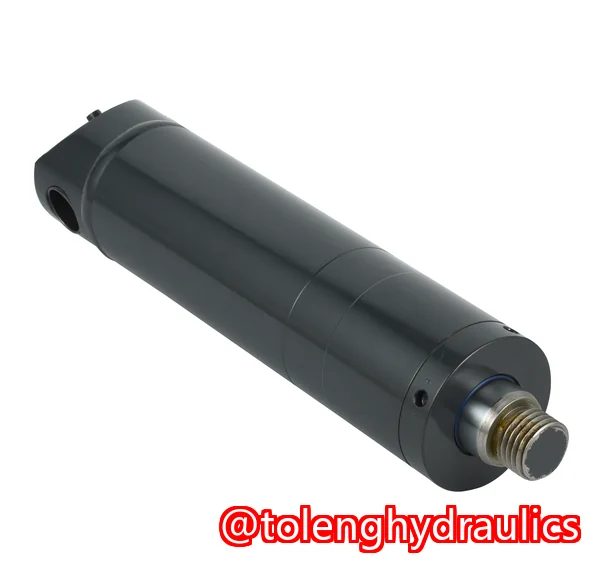
2. Uncertainty About Seals and Rod Surface Finishes
Seals are the unsung heroes of a hydraulic cylinder. I’ve seen countless cases where cheap or incorrectly installed seals led to fluid leaks within weeks. Similarly, piston rod surface finishes vary widely. Even minor imperfections in chrome plating or roughness can scrape or wear down seals, drastically shortening cylinder life. Knowing the correct seal materials and rod finishes for your specific application can prevent these failures.
3. Inconsistent Bore Finishes
The cylinder’s internal bore might be overlooked during inspection, but I’ve learned it’s critical. Inconsistent bore finishes or improperly honed tubes can cause uneven wear on seals, lead to leakage, or reduce stroke efficiency. For high-pressure applications, smooth and uniform bores are essential to maintain performance and prevent downtime.
How I Inspect and Verify Hydraulic Cylinder Quality
To make informed purchasing decisions, I rely on hands-on inspection techniques. Here’s my approach, broken down into practical steps:
Checking Cylinder Tube Material and Bore Finish
-
Material inspection: Look for high-grade steel or alloy tubing rated for your pressure requirements. Avoid cylinders that feel lightweight or have visible inconsistencies in wall thickness.
-
Internal bore check: Run a straight edge or bore gauge if available. The surface should be smooth, polished, and free of scratches or pits. Any irregularities can quickly damage seals.
Inspecting Piston Rod Hardness, Chrome Plating, and Surface Finish
-
Rod hardness: High-quality rods are properly hardened to resist bending and abrasion. I use a simple hardness tester or confirm specifications from the manufacturer.
-
Chrome plating: Look for consistent plating thicknesstypically 0.003 to 0.010 inches for industrial applications. Uneven plating can cause early wear.
-
Surface finish: Rods should be mirror-smooth, usually 0.20.4 microns Ra. Run your hand along the rod; any roughness or visible scratches is a red flag.
Evaluating Seal Types and Materials
-
Material choice: Nitrile, polyurethane, and fluorocarbon seals all have specific use cases. For example, polyurethane seals handle high pressure well but may fail under extreme temperature variations.
-
Seal inspection: Ensure seals are installed correctly, sit flush in grooves, and show no deformation. Improperly installed or low-quality seals are the leading cause of leaks.
Verifying Weld Quality on Cylinder Ends and Mounts
-
Weld integrity: Look for smooth, even welds without cracks or porosity. Strong, clean welds prevent catastrophic cylinder failure under heavy loads.
-
Mount checks: Whether clevis, flange, or trunnion-mounted, ensure attachment points are solid, aligned, and capable of handling operational forces.
Practical Tips for Step-by-Step Inspection
To save time and reduce the risk of costly mistakes, here’s a checklist I follow before committing to any hydraulic cylinder purchase:
-
Measure bore size and rod diameter accurately: Use calipers or micrometers for precision. Even small deviations can affect performance and seal fit.
-
Check rod straightness: Roll the rod on a flat surface; wobbling indicates bending. Bent rods compromise cylinder efficiency and seal life.
-
Inspect port threads and fittings: Damaged threads or inconsistent port machining can cause leaks or installation issues.
-
Spot signs of poor seal quality: Cracks, uneven edges, or rough surfaces are early warnings of potential leaks.
-
Assess overall finish: A polished rod and clean bore correlate strongly with durability under high-pressure applications.
By following these steps, you can avoid premature failures, extend service life, and reduce maintenance costs. It’s amazing how much downtime you can prevent by taking a few minutes to inspect a cylinder before installation.
Benefits of Proper Hydraulic Cylinder Inspection
From my experience, spending extra time upfront to inspect cylinders pays off in several ways:
-
Reduced downtime: Avoid unplanned stops due to leaks, drift, or cylinder collapse.
-
Extended cylinder life: Selecting components with proper materials, rod finishes, and seals can double or triple operational lifespan.
-
Lower maintenance costs: Fewer replacements and emergency repairs mean less strain on budgets and teams.
-
Safer operations: Reliable cylinders prevent accidents that can occur when equipment suddenly fails under load.
Why Toleng Hydraulics Helps
I’ve used Toleng hydraulics’ inspection guides and tools as a reference for years. Their resources clearly explain how to identify cylinder types, choose the right materials, and check seals, rod finishes, bore size, and mounting integrity. For anyone sourcing cylinders for construction, agricultural machinery, industrial automation, or mobile hydraulics, this kind of guidance is invaluable. By following their recommendations, I can confidently select high-quality cylinders that meet both performance and safety standards.
Conclusion
Selecting reliable high-pressure hydraulic cylinders doesn’t have to be a guessing game. By inspecting cylinder tube material, internal bore finish, rod hardness and chrome plating, seal types, and weld quality, you can make informed decisions that prevent costly downtime. I highly recommend following these inspection guidelines to ensure any hydraulic cylinder purchase delivers long-term reliability and performance.
Browse our selection of high-quality hydraulic cylinders: 🔗 https://tolenghydraulics.com/contact/
Download our complete hydraulic cylinder inspection checklist today to keep every cylinder in top working order.
Frequently Asked Questions
1. How can I tell if a hydraulic cylinder has quality seals?
Check the material, edge uniformity, and installation. High-quality seals should fit perfectly in the groove, show no cracks, and be made of material suitable for your pressure and temperature range.
2. What rod surface finish is best for long seal life?
A mirror-smooth finish around 0.20.4 microns Ra is ideal. Avoid rods with scratches, pits, or inconsistent plating.
3. How do I measure bore size and stroke length correctly?
Use a caliper or bore gauge for precise measurements. Measure bore diameter at multiple points to detect inconsistencies and check stroke length by fully extending the cylinder.
4. What are the signs of a poorly manufactured cylinder?
Watch for bent rods, uneven chrome plating, rough bore surfaces, inconsistent welds, or seals that don’t sit flush. These are indicators of potential premature failure.
5. Which cylinder mounting styles are strongest?
Welded mountings like flange or trunnion mounts generally provide higher strength, while tie-rod cylinders offer easy maintenance but slightly lower structural integrity.
6. How do I choose between welded and tie-rod cylinders?
Welded cylinders are ideal for heavy-duty applications where maximum strength is required. Tie-rod cylinders are more serviceable and easier to disassemble for maintenance.
7. What chrome plating thickness should I look for on rods?
A uniform thickness of 0.003 to 0.010 inches is typical for industrial-grade rods. Too thin risks premature wear, while overly thick plating can cause seal issues.
Keywords & Tags
hydraulic cylinder quality, cylinder seals, rod finish, bore size, hydraulic cylinder maintenance, cylinder inspection, welded hydraulic cylinder, tie-rod cylinder, hydraulic cylinder buying guide, cylinder failure prevention, hydraulic cylinder materials, hydraulic seal types, rod chrome plating
This article provides a full, practical guide for anyone sourcing or maintaining hydraulic cylinders, combining real-world experience with actionable inspection tips and recommendations.

