
How to Measure a Hydraulic Cylinder for Replacement
When a hydraulic cylinder fails on a piece of heavy equipment, the consequences can be immediate and costly. I’ve been on job sites where a leaking cylinder brought an excavator to a complete stop, delaying critical work and racking up repair bills. One of the most common causes I’ve seen is not using the right inspection techniques before replacement. Premature seal failure, rod damage, or mismatched bore size can turn a routine maintenance task into a major headache. That’s why knowing how to measure a hydraulic cylinder properlyand identify high-quality componentsis essential for anyone managing industrial, construction, or agricultural machinery.
Common Challenges in Evaluating Hydraulic Cylinder Quality
1. Appearance Can Be Deceiving
It’s tempting to judge a hydraulic cylinder by its finish or branding, but surface shine alone doesn’t guarantee long-term performance. Some cylinders may look polished but hide poor rod plating, inconsistent bore finishes, or substandard seal materials. Without proper inspection, you could be purchasing a unit destined for early failure.
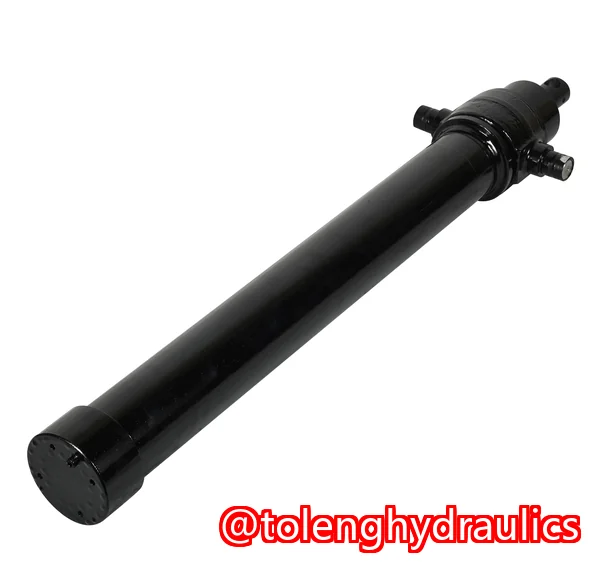
2. Seal Material and Compatibility Uncertainty
Not all cylinder seals are created equal. Using a cylinder with seals incompatible with your operating pressure, fluid type, or temperature range often leads to leakage within weeks. I’ve seen nitrile seals fail in high-temperature environments, while polyurethane seals performed flawlessly. Understanding the right seal for your application is critical.
3. Bore Finish and Rod Quality Issues
The internal bore finish and rod surface directly affect cylinder lifespan. Rough bores or rods with uneven chrome plating can accelerate wear, create leakage paths, and reduce overall efficiency. I’ve observed cylinders with visually smooth rods fail prematurely because their plating was too thin or uneven.
Toleng hydraulics provides a practical reference point, helping buyers verify these critical attributes before committing to a purchase. By following a systematic inspection process, you can avoid the common pitfalls that lead to downtime and costly repairs.
Step-by-Step Guide to Inspecting a Hydraulic Cylinder
Check the Cylinder Tube Material and Bore Finish
-
Tube material: Opt for high-quality steel that matches the intended load and environment. Low-grade steel can warp or corrode, especially in outdoor or agricultural applications.
-
Internal bore finish: A precise, honed bore ensures smooth piston movement. Run your finger lightly (if safe) or use a bore gauge to detect any imperfections. Poorly finished bores accelerate seal wear.
Inspect the Piston Rod
-
Rod hardness: Verify the rod is hardened to the proper specification to resist bending and surface damage.
-
Chrome plating thickness: Adequate chrome plating (usually 0.030.05 mm for standard industrial applications) prevents corrosion and reduces friction.
-
Surface finish: Look for a polished, mirror-like surface free of scratches, pits, or discoloration. These small defects are often the starting points of leaks.
Evaluate Seal Types and Materials
-
Identify the seal material based on operating conditions:
-
Nitrile (NBR) good for standard pressures and moderate temperatures.
-
Polyurethane (PU) higher abrasion resistance, suitable for heavy-duty applications.
-
Viton/FKM high-temperature and chemical resistance.
-
-
Inspect for proper seating, absence of cracks, and smooth edges. Even the best rod finish cannot prevent leaks if the seal itself is low quality or improperly installed.
Verify Weld Quality on Cylinder Ends and Mounts
-
Examine the welds at cylinder caps and mounting points. Look for uniformity and the absence of cracks, undercuts, or spatter. Weak welds can compromise cylinder integrity under load.
-
Check mounting components (clevises, trunnions, flanges) for straightness and proper sizing to prevent misalignment during operation.
Practical Tips for Accurate Measurements
-
Bore size: Use a bore gauge or caliper to measure the inner diameter precisely. Even minor deviations can affect piston fit and sealing.
-
Rod diameter: Measure with a micrometer at multiple points to ensure roundness and consistent diameter.
-
Stroke length: Extend the cylinder fully and measure from the base to the rod end to confirm correct travel.
-
Rod straightness: Place the rod on a flat surface or use a dial indicator to detect bends or warping.
-
Port threads and fittings: Verify thread quality, absence of burrs, and proper engagement to prevent leaks once installed.
Real-World Applications and Benefits
Construction Equipment
Cranes, excavators, and loaders rely on precise hydraulic cylinders for lifting and digging. Using a cylinder with poor rod plating or mismatched seals can halt operations, leading to project delays.
Agricultural Machinery
Tractors and harvesters often operate in harsh environments with dirt, moisture, and fluctuating temperatures. Cylinders with inferior bore finishes or incompatible seals are prone to leakage and downtime, especially during peak season.
Industrial Automation and Material Handling
Cylinders in automated presses or conveyors demand accuracy and durability. Even slight wear can cause misalignment, increased energy use, and inconsistent operation.
By inspecting cylinders thoroughly before purchase, you reduce the risk of premature failure, maximize equipment uptime, and lower long-term maintenance costs. I’ve personally seen teams cut their hydraulic downtime in half simply by adopting systematic inspection practices.
Conclusion
Properly measuring and inspecting a hydraulic cylinder is more than a routine stepit’s a critical safeguard for your machinery. Checking bore size, rod finish, seal quality, and weld integrity ensures that you purchase a cylinder capable of long-term, reliable performance. I highly recommend following these inspection guidelines to ensure any hydraulic cylinder purchase delivers the durability and efficiency your equipment demands.
Browse our selection of high-quality hydraulic cylinders: 🔗 https://tolenghydraulics.com/contact/
Download our complete hydraulic cylinder inspection checklist today to make confident, informed decisions.
FAQs
How can I tell if a hydraulic cylinder has quality seals?
Look for smooth edges, proper material for your operating conditions, and consistent installation without gaps or cracks.
What rod surface finish is best for long seal life?
A polished, mirror-like finish free of scratches and pits reduces friction and extends seal lifespan.
How do I measure bore size and stroke length correctly?
Use a bore gauge or caliper for the internal diameter and measure stroke from base to rod end with the cylinder fully extended.
What are the signs of a poorly manufactured cylinder?
Visible weld imperfections, uneven rod plating, rough bore finish, or misaligned mounts are clear indicators.
Which cylinder mounting styles are strongest?
Welded cylinders are generally more rigid, while tie-rod cylinders are easier to service; choose based on load and maintenance requirements.
How do I choose between welded and tie-rod cylinders?
Welded cylinders are ideal for high-pressure, heavy-duty applications. Tie-rod cylinders offer easier maintenance but may be less rigid.
What chrome plating thickness should I look for on rods?
Standard industrial rods usually have 0.030.05 mm of chrome plating; thicker plating is used for abrasive environments.
Tags / Keywords
hydraulic cylinder quality, cylinder seals, rod finish, bore size, hydraulic cylinder maintenance, cylinder inspection, welded hydraulic cylinder, tie-rod cylinder, hydraulic cylinder buying guide, cylinder failure prevention, hydraulic cylinder materials, hydraulic cylinder inspection

