
Hydraulic Cylinder Speed Control Methods Explained
When I first started managing maintenance for a fleet of heavy construction machinery, I quickly realized that not all hydraulic cylinders are created equal. One day, a simple lift on a loader wouldn’t respond smoothly, causing delays and safety concerns. The culprit? Poor speed control in the hydraulic cylinder, compounded by low-quality seals and inconsistent rod finishes. Over time, I’ve learned that understanding cylinder speed control isn’t just about performanceit’s about preventing premature failures and costly downtime.
Hydraulic cylinders are the backbone of industrial, construction, and agricultural equipment. But if you don’t inspect them properly or select the right type for your application, you could be looking at seal leaks, bent rods, and uneven speed performance. Today, I want to walk you through the key speed control methods for hydraulic cylinders and show practical ways to ensure you’re working with high-quality equipment.
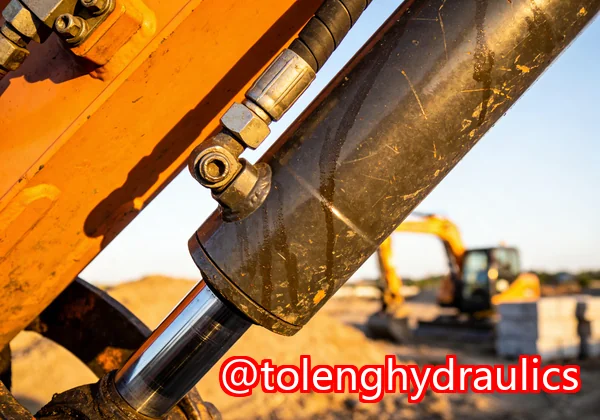
Common Challenges in Hydraulic Cylinder Performance
When evaluating hydraulic cylinders, I often encounter three major pain points that can impact speed control and overall reliability:
1. Difficulty distinguishing genuine cylinder quality from appearance
Many suppliers offer cylinders that look solid on the outside but hide weak points internally. Poor welds, substandard rod chrome plating, or inconsistent bore finishes can lead to sluggish movement or uneven cylinder speed.
2. Uncertainty about seal materials and rod surface finishes
A hydraulic cylinder’s speed depends heavily on the quality of its seals and the finish of the piston rod. Low-grade seals can deform under pressure, causing leaks, while a rough rod surface accelerates wear, slowing cylinder response.
3. Inconsistent bore finishes causing premature wear
Even small imperfections in the cylinder bore can cause uneven friction and erratic speeds. Over time, these imperfections contribute to faster seal degradation and reduced cylinder life.
By addressing these challenges with careful inspection and understanding speed control principles, you can avoid unnecessary repairs and downtime.
How Toleng Hydraulics Helps Ensure Cylinder Reliability
I often recommend using Toleng hydraulics as a benchmark for cylinder quality. Their inspection guides and step-by-step methods help engineers, maintenance teams, and procurement specialists verify the integrity of a cylinder before committing to a purchase. Here’s how I approach it:
1. Check the Cylinder Tube Material and Internal Bore Finish
-
Use a micrometer or bore gauge to measure internal diameters accurately.
-
Inspect the bore visually and feel it with your fingers; it should be smooth, free of ridges, scratches, or pitting.
-
A properly finished bore reduces friction, allowing the cylinder to extend and retract consistently at controlled speeds.
2. Inspect Piston Rod Hardness and Surface Quality
-
Look for chrome plating thickness and uniformity; rods should typically have 2030 microns of hard chrome.
-
Check for rod straightness; even slight bends can cause binding and speed variations.
-
Examine the surface finish; a polished rod ensures seals glide smoothly without damage.
3. Evaluate Seal Types and Materials
-
Choose seals based on operating pressure, temperature, and fluid type.
-
Common options include polyurethane, nitrile, or high-temperature Viton seals.
-
Inspect for proper fit and installation; a poorly seated seal can leak, impacting speed control.
4. Verify Weld Quality on Cylinder Ends and Mounts
-
High-quality cylinders have clean, consistent welds with no cracks or gaps.
-
Weak welds can compromise alignment, leading to uneven speed and premature failure.
Hydraulic Cylinder Speed Control Methods
Understanding how to control the speed of your hydraulic cylinder is critical for precision and safety. Here are the primary methods I rely on:
1. Flow Control Valves
-
Flow control valves adjust the amount of fluid entering or leaving the cylinder, effectively controlling speed.
-
I always match the valve rating to the cylinder bore size; an undersized valve causes sluggish movement, while an oversized valve risks overspeed.
2. Meter-In and Meter-Out Control
-
Meter-In: Controls the flow entering the cylinder. Best for light-load applications to prevent overshooting.
-
Meter-Out: Controls the flow leaving the cylinder. Ideal for heavy loads, preventing abrupt drops or jerky motion.
-
Using the wrong method for the load can damage seals or rods over time.
3. Pressure Compensated Flow
-
A pressure-compensated valve maintains consistent speed regardless of load changes.
-
This is especially useful in material handling and construction equipment, where the load often varies mid-operation.
4. Accumulators and Pilot Control
-
Accumulators store hydraulic energy and smooth out speed fluctuations in high-demand systems.
-
Pilot-operated control valves allow precise adjustment and can fine-tune cylinder response in sensitive applications like industrial automation.
Step-by-Step Cylinder Inspection for Reliable Speed Control
From my experience, combining speed control knowledge with quality inspections makes all the difference. Here’s a checklist I follow:
-
Measure Bore Size and Rod Diameter: Use a caliper or bore gauge to confirm specs match manufacturer ratings.
-
Check Rod Straightness: Roll the rod on a flat surface or use a dial indicator; any wobble indicates risk for uneven speed.
-
Inspect Rod Surface and Chrome Plating: Look for scratches, pitting, or inconsistent plating; smooth rods protect seals and enable precise motion.
-
Evaluate Seal Quality: Verify material compatibility and proper installation; ensure seals are free from cuts or deformations.
-
Assess Welds and Mounting: Examine cylinder ends and pivot points; misalignment can cause friction and reduce speed control efficiency.
-
Inspect Port Threads and Fittings: Ensure clean, accurate threads; leaks here can reduce cylinder performance.
These steps help prevent failures, reduce maintenance costs, and ensure cylinders perform at expected speeds under load.
Benefits of Proper Inspection and Speed Control
When I apply these inspection methods alongside proper speed control practices, the advantages are clear:
-
Reduced Downtime: Equipment keeps running smoothly without unexpected cylinder failures.
-
Extended Cylinder Life: Properly selected and inspected cylinders can last far beyond average lifespans.
-
Lower Maintenance Costs: Early identification of low-quality cylinders prevents costly repairs.
-
Improved Operational Safety: Reliable speed control reduces the risk of accidents during lifting, pressing, or moving heavy loads.
Real-World Applications
I’ve applied these inspection techniques across various industries:
-
Construction Equipment: Loaders and excavators demand cylinders with stable speed under heavy load; flow control and proper bore inspection are essential.
-
Agricultural Machinery: Tractors and harvesters operate in dusty, wet conditions; high-quality seals and rods prevent leaks and corrosion.
-
Industrial Automation: Cylinders in assembly lines require precise meter-in/out control to maintain speed consistency and product quality.
-
Material Handling: Forklifts and cranes rely on robust welded cylinders to lift uneven loads safely.
In every case, thorough inspection and speed control awareness save both money and downtime.
Conclusion
Selecting hydraulic cylinders isn’t just about choosing a cylinder that fits; it’s about ensuring smooth, reliable performance under load. By inspecting cylinder materials, rod finishes, bore quality, seals, and weldsand understanding speed control methods like flow control, meter-in/out, and pressure-compensated valvesI’ve consistently avoided costly failures and maintenance headaches.
I highly recommend following these inspection guidelines to ensure any hydraulic cylinder purchase delivers long-term reliability and performance. Browse our selection of high-quality hydraulic cylinders: 🔗 https://tolenghydraulics.com/contact/ and download our complete hydraulic cylinder inspection checklist today.
FAQ
1. How can I tell if a hydraulic cylinder has quality seals?
Look for consistent, damage-free seals made from materials suitable for your operating pressure, temperature, and fluid type.
2. What rod surface finish is best for long seal life?
A highly polished, uniform chrome-plated rod minimizes friction and extends seal longevity.
3. How do I measure bore size and stroke length correctly?
Use a bore gauge or caliper to measure diameter, and a tape or dial gauge to confirm stroke length matches manufacturer specifications.
4. What are the signs of a poorly manufactured cylinder?
Uneven bore finishes, rough or bent rods, weak welds, leaking seals, and misaligned mounts indicate poor quality.
5. Which cylinder mounting styles are strongest?
Welded mount cylinders are typically more robust than tie-rod types for heavy-duty applications, although tie-rod cylinders allow easier maintenance.
6. How do I choose between welded and tie-rod cylinders?
Consider load and maintenance needs; welded cylinders excel under heavy stress, tie-rod cylinders offer easier repairability.
7. What chrome plating thickness should I look for on rods?
A thickness of 2030 microns is standard; anything thinner may wear quickly, while thicker plating ensures durability and consistent speed control.
Keywords/Tags: hydraulic cylinder quality, cylinder seals, rod finish, bore size, hydraulic cylinder maintenance, cylinder inspection, welded hydraulic cylinder, tie-rod cylinder, hydraulic cylinder buying guide, cylinder failure prevention, hydraulic cylinder materials, hydraulic seal types, cylinder bore finish, rod chrome plating

