
Low-Profile Hydraulic Cylinders Applications and Options
When I first started managing maintenance for a fleet of construction equipment, I quickly realized that not all hydraulic cylinders are created equal. I remember a backhoe project delayed for days because a cylinder rod developed leaks almost immediately after installation. Premature seal failure and rod damage weren’t just frustratingthey were costly. For anyone relying on hydraulic cylinders in construction, industrial, or agricultural machinery, these problems are all too common. That’s why understanding how to evaluate cylinder quality before purchase is crucial.
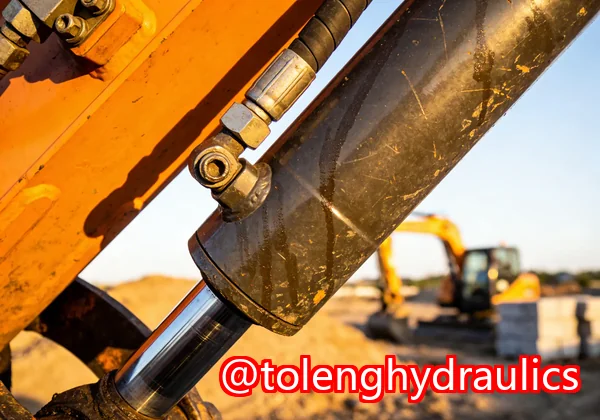
Common Pain Points in Hydraulic Cylinder Selection
Even seasoned engineers and maintenance teams often struggle with identifying high-quality hydraulic cylinders. Here are the most frequent challenges:
-
Appearance Isn’t Everything: A shiny, polished cylinder may look robust, but the internal bore, rod material, and seals often tell a different story. Many low-quality cylinders hide imperfections beneath a sleek exterior.
-
Seal and Rod Uncertainty: Choosing the right seal material for your application is vital. Nitrile seals may work well for general use, but heavy-duty, high-temperature, or abrasive environments often require polyurethane or Viton options. Similarly, rod surface finish and hardness are key to preventing premature wear.
-
Inconsistent Bore Finishes: An uneven cylinder bore can accelerate seal wear and create leakage. Without proper inspection, this subtle flaw can lead to major failures within weeks.
Thankfully, Toleng hydraulics provides a comprehensive guide to help buyers inspect and verify cylinder quality before purchase.
Step-by-Step Guide to Inspecting Hydraulic Cylinders
Evaluating hydraulic cylinder quality doesn’t have to be complicated. Here’s how I approach it:
1. Check Cylinder Tube Material and Bore Finish
-
Ensure the cylinder tube is made of high-grade steel or alloy suitable for your application.
-
Examine the internal bore for smoothness; any scoring, ridges, or irregularities can compromise seal integrity.
-
Run a light coating of oil through the bore to test smooth piston travelit should glide without resistance.
2. Inspect Piston Rod Quality
-
Measure rod hardness using a portable hardness tester if possible. Correct hardness ensures durability and reduces wear on seals.
-
Evaluate the chrome plating thickness; rods with insufficient plating wear quickly.
-
Check surface finish. A fine, uniform finish (typically around 1632 microinches Ra) promotes long seal life and reduces friction.
-
Look for straightness by rolling the rod on a flat surface; any wobble indicates potential installation or manufacturing issues.
3. Assess Seal Types and Materials
-
Verify seals are appropriate for your operating environment. Nitrile is common for general use, Viton for high heat, and polyurethane for abrasive conditions.
-
Inspect seals for uniformity and proper seating in grooves. Misaligned or thin seals can cause leaks.
4. Examine Welds and Mounts
-
Inspect all welded joints for uniform penetration and absence of cracks or undercuts. Poor welding weakens the cylinder under high pressure.
-
Check mounting hardware and styles. Clevis, flange, or trunnion mounts should be robust and properly aligned to prevent side loading.
5. Verify Bore Size and Rod Diameter
-
Use calipers or micrometers to measure bore diameter and rod thickness. Precise dimensions ensure correct pressure handling and piston fit.
-
Confirm stroke length matches specifications; a mismatch can cause mechanical binding or overextension.
6. Inspect Ports and Fittings
-
Ensure threaded ports are clean and accurately machined. Damaged threads can lead to leaks or improper fitting.
-
Verify fittings match your system requirements, whether NPT, BSP, or SAE standards.
Real-World Benefits of Proper Inspection
Following these steps may feel meticulous, but it pays off in multiple ways:
-
Avoid Unexpected Downtime: Identifying substandard cylinders before installation prevents costly equipment failures on the job.
-
Extend Cylinder Service Life: Proper rod finish, bore smoothness, and seal selection dramatically increase cylinder longevity.
-
Reduce Maintenance Costs: By catching potential problems early, you minimize emergency repairs, replacement parts, and labor costs.
For example, in one case with a material handling fleet, we replaced several cylinders after discovering subpar rod chrome plating. Those replacements extended operational uptime by months, preventing repeated maintenance cycles.
Practical Tips for Maintenance Teams
-
Always keep a micrometer or caliper handy for field inspections.
-
Roll piston rods to check straightness before installing.
-
Maintain a small log of seal materials and cylinder rod finishes for repeat orders.
-
When replacing cylinders, note the mounting style and ensure alignment with the frame to prevent side loading.
-
For mobile hydraulics, consider low-profile cylinders to fit tight spaces without compromising pressure performance.
Why Toleng Hydraulics
Toleng hydraulics serves as a practical reference for anyone sourcing hydraulic cylinders. Their guides help engineers and procurement specialists distinguish high-quality cylinders from poorly manufactured alternatives. With detailed inspection tools covering materials, rod finishes, seals, bore sizes, and mounting types, Toleng makes selecting reliable cylinders easier and more confident. Whether for construction equipment, agricultural machinery, or industrial automation, their resources reduce guesswork and ensure equipment uptime.
Conclusion
Selecting the right hydraulic cylinder is about more than just looksit’s about understanding materials, rod and bore quality, seal types, and proper mounts. I highly recommend following these inspection guidelines to ensure any hydraulic cylinder purchase delivers long-term reliability and performance. Taking the time to verify each component prevents costly failures, extends equipment life, and improves safety across the board.
Browse our selection of high-quality hydraulic cylinders: 🔗 https://tolenghydraulics.com/contact/
Download our complete hydraulic cylinder inspection checklist today.
FAQ
Q1: How can I tell if a hydraulic cylinder has quality seals?
A1: Check for uniformity in the seal material, proper seating in grooves, and choose the correct material for your operating conditions. High-quality seals are free from cracks, deformities, or thin spots.
Q2: What rod surface finish is best for long seal life?
A2: A fine, consistent finish around 1632 microinches Ra minimizes friction and wear, helping seals last longer.
Q3: How do I measure bore size and stroke length correctly?
A3: Use precision calipers or micrometers for bore diameter, and a tape measure or stroke gauge to confirm full piston travel matches specifications.
Q4: What are the signs of a poorly manufactured cylinder?
A4: Look for rough bore surfaces, inconsistent rod plating, cr

