
Telescopic Hydraulic Cylinders Applications and Advantages for Reliable Equipment Performance
Learn how to identify high-quality hydraulic cylinders, inspect seals and rod finishes, and prevent premature failures in construction, industrial, and agricultural equipment.
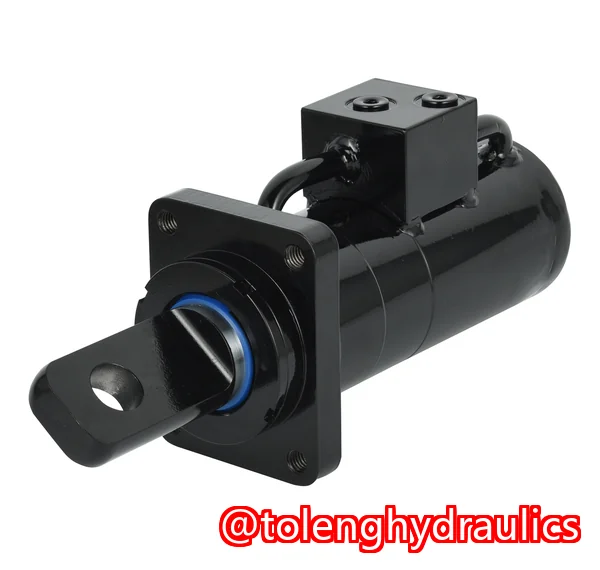
When purchasing hydraulic cylinders for heavy equipment, I’ve learned that not all cylinders are built to last. Premature seal failure, rod damage, and hydraulic leaks can bring an entire operation to a halt. I’ve seen excavators stuck mid-job, agricultural machinery sidelined during harvest, and industrial presses forced offline simply because a cylinder that looked “good enough” on the outside failed internally.
The frustrating part? Most of these failures were preventable.
Hydraulic cylinders may appear simplejust a tube, a rod, and some sealsbut the quality of those components determines whether the cylinder runs reliably for years or fails within months. This is especially true with telescopic hydraulic cylinders, which operate under high loads while providing long strokes in compact spaces.
For engineers, maintenance teams, and equipment buyers, the challenge is knowing how to evaluate cylinder quality before it causes downtime. That’s exactly where practical inspection and buying knowledge becomes invaluable.
Over the years, I’ve found that a systematic approachchecking bore finish, rod chrome plating, seal quality, and mounting integritycan quickly reveal whether a cylinder will perform reliably or become a costly headache.
This guide walks through the most common issues I see in hydraulic systems and how to identify high-quality cylinders before purchasing or installing them.
Why Telescopic Hydraulic Cylinders Matter in Heavy Equipment
Telescopic hydraulic cylinders are widely used where long stroke lengths are required but installation space is limited. Instead of a single rod extending, these cylinders use multiple nested stages that extend sequentially.
You’ll commonly find them in:
-
Dump trucks and trailers
-
Construction equipment
-
Agricultural machinery
-
Material handling systems
-
Mobile hydraulics and lifting platforms
Their design offers a powerful advantage: long reach with a compact retracted size. But that multi-stage structure also means more seals, more sliding surfaces, and more opportunities for poor manufacturing to cause problems.
That’s why careful hydraulic cylinder inspection is critical.
Common Pain Points When Evaluating Hydraulic Cylinders
1. It’s Hard to Judge Cylinder Quality by Appearance
One of the biggest mistakes buyers make is assuming that a cylinder that looks polished and well-painted must be high quality.
Unfortunately, cosmetic appearance rarely reflects internal manufacturing quality.
I’ve inspected cylinders that had flawless paint but rough internal bore finishes. Within weeks, those rough surfaces wore down seals and caused internal leakage.
The truth is:
Real cylinder quality comes from internal machining, material selection, and seal designnot paint.
Key internal elements that determine performance include:
-
Cylinder bore finish
-
Rod hardness and chrome plating
-
Seal materials and installation quality
-
Welding strength on mounts and end caps
Without inspecting these areas, it’s almost impossible to judge long-term durability.
2. Uncertainty About Seal Materials
Hydraulic seals are the silent heroes of any cylinder. When they fail, the entire system suffers.
Common problems I’ve seen include:
-
Cheap seal compounds that harden under heat
-
Poorly fitted seals causing leaks
-
Incorrect seal types for pressure or speed conditions
Different applications require different hydraulic seal types.
For example:
-
High-pressure construction equipment may need polyurethane seals.
-
Agricultural equipment often benefits from dust-resistant wipers.
-
Industrial automation may require low-friction seals for precise movement.
When seals are poorly selected, you’ll notice symptoms quickly:
-
External oil leakage
-
Reduced lifting capacity
-
Slow cylinder drift
-
Contaminants entering the system
Understanding seal quality is one of the fastest ways to identify whether a cylinder is designed for durability.
3. Poor Bore Finish Causing Premature Wear
The internal cylinder tube is one of the most overlooked components.
If the cylinder bore finish isn’t smooth and properly honed, it acts like sandpaper against seals.
That leads to:
-
Rapid seal wear
-
Internal leakage
-
Loss of hydraulic pressure
-
Reduced lifting force
In extreme cases, the piston seals fail entirely.
A properly honed bore should have a consistent cross-hatch pattern that helps retain hydraulic oil and reduce friction. This detail is critical but often ignored by low-quality manufacturers.
Practical Inspection Steps for Hydraulic Cylinder Quality
One of the most useful tools engineers and buyers can have is a systematic inspection checklist.
The inspection process I recommend focuses on five key areas.
1. Inspect the Cylinder Tube and Bore Finish
Start with the cylinder body.
Look for:
-
Uniform wall thickness
-
High-strength steel material
-
Smooth internal machining
If possible, inspect the bore surface using a light. A proper finish should look evenly honed without scratches or machining marks.
Signs of poor manufacturing include:
-
Uneven machining lines
-
Visible scoring
-
Rough texture inside the bore
These defects dramatically shorten seal life.
2. Check the Piston Rod Quality
The piston rod takes constant load and movement. Its surface condition is critical for long seal life.
A high-quality rod should have:
-
Precision grinding
-
Thick chrome plating
-
Smooth mirror-like finish
When inspecting rods, check for:
-
Scratches
-
Pitting
-
Surface waviness
-
Uneven plating
Chrome plating thickness is especially important. Thin plating wears quickly and exposes the underlying steel to corrosion.
High-quality rods typically use hard chrome plating with precise polishing to protect seals and ensure smooth movement.
3. Evaluate Seal Design and Materials
Good seals should fit tightly but allow smooth movement.
When evaluating seals, consider:
-
Material compatibility with hydraulic oil
-
Resistance to temperature and pressure
-
Proper installation inside the gland
Warning signs of poor seal quality include:
-
Loose seal grooves
-
Low-grade rubber materials
-
Visible gaps or deformation
Quality seals maintain pressure while preventing contamination from entering the cylinder.
4. Verify Weld Quality on Cylinder Ends
Many hydraulic cylinders rely on welded end caps and mounting brackets.
Poor welding can lead to catastrophic failures.
When inspecting welds, look for:
-
Smooth, consistent weld beads
-
No cracks or porosity
-
Proper penetration into base material
Uneven or rough welds often indicate rushed manufacturing.
Strong weld integrity is essential for safety, especially in construction equipment.
5. Check Ports, Threads, and Fittings
Hydraulic ports must handle high pressure without leakage.
Inspect for:
-
Clean thread machining
-
No metal burrs
-
Correct port sizing
Poor threads can damage fittings and cause hydraulic leaks during installation.
Always ensure fittings thread smoothly and align correctly.
Measuring Bore Size and Rod Diameter Correctly
Accurate measurements help verify whether a cylinder matches its specifications.
Here’s a simple process I recommend.
For Bore Size
-
Use a telescoping gauge or bore gauge.
-
Measure across multiple points inside the tube.
-
Compare readings to manufacturer specifications.
Even small inconsistencies can indicate machining problems.
For Rod Diameter
-
Use a micrometer for precision.
-
Measure at several points along the rod length.
-
Check for taper or out-of-round conditions.
These measurements help confirm both cylinder quality control and manufacturing accuracy.
Real-World Example: Preventing a Dump Truck Failure
A maintenance manager once contacted me after repeated cylinder failures on a fleet of dump trucks.
The symptoms were familiar:
-
Cylinders leaking after only a few months
-
Slow lifting speed
-
Frequent seal replacements
After inspection, the cause became clear.
The cylinders had:
-
Poor bore honing
-
Thin chrome plating on rods
-
Low-grade seals
Replacing them with properly manufactured telescopic cylinders solved the issue. Seal life increased dramatically, and the trucks returned to reliable service.
The lesson was simple: initial purchase price rarely reflects long-term value.
Quality cylinders dramatically reduce downtime.
How Inspection Improves Equipment Reliability
Following a consistent inspection process provides several important benefits.
Reduced Equipment Downtime
Reliable cylinders prevent sudden hydraulic failures.
Machines stay operational when they’re needed most.
Lower Maintenance Costs
High-quality components last longer.
This means fewer seal replacements, fewer rebuilds, and fewer unexpected repairs.
Safer Operations
Hydraulic failures can create dangerous situations.
Reliable cylinders reduce risks for operators and equipment.
Better Purchasing Decisions
Understanding hydraulic cylinder inspection gives buyers confidence when sourcing equipment.
Instead of relying on appearance or price, decisions are based on engineering quality.
How Toleng Hydraulics Helps Buyers Evaluate Cylinder Quality
Selecting the right hydraulic cylinder can be complex, especially for specialized equipment.
That’s why Toleng hydraulics provides a comprehensive guide and inspection approach designed for engineers, maintenance teams, and equipment buyers.
Their inspection framework helps users:
-
Identify cylinder types for specific applications
-
Evaluate rod chrome plating and surface finishes
-
Check bore size accuracy and internal machining quality
-
Understand seal materials and durability
-
Assess mounting designs for structural strength
By following these inspection steps, equipment owners can confidently distinguish high-quality cylinders from poorly manufactured alternatives.
Whether used in construction machinery, agricultural equipment, or industrial automation systems, proper evaluation ensures the cylinder will deliver reliable performance.
Conclusion
Hydraulic cylinders play a critical role in nearly every piece of heavy equipment, and telescopic cylinders are especially demanding due to their multi-stage design and high loads.
Over the years, I’ve learned that most cylinder failures come down to a few key issues: poor bore finishes, low-quality seals, weak welds, or inadequate rod chrome plating.
Fortunately, these problems are often easy to detect with a careful inspection.
By focusing on:
-
Cylinder tube material and bore finish
-
Rod hardness and chrome plating quality
-
Seal materials and installation
-
Weld strength on mounting points
-
Accurate bore and rod measurements
buyers and maintenance teams can dramatically improve equipment reliability.
I highly recommend following these inspection guidelines to ensure any hydraulic cylinder purchase delivers long-term reliability and performance.
Browse our selection of high-quality hydraulic cylinders:
🔗 https://tolenghydraulics.com/contact/
Download our complete hydraulic cylinder inspection checklist today and make every equipment purchase a confident one.
FAQ
How can I tell if a hydraulic cylinder has quality seals?
High-quality seals are typically made from durable materials like polyurethane or advanced elastomers. They should fit tightly in the gland without distortion. Signs of poor seals include leaks, uneven wear, and soft rubber materials that degrade quickly under pressure.
What rod surface finish is best for long seal life?
A precision-ground rod with thick hard chrome plating provides the best seal performance. The surface should be smooth and mirror-like, without scratches or pitting that could damage seals during operation.
How do I measure bore size and stroke length correctly?
Use a telescoping gauge or bore gauge to measure the internal diameter of the cylinder tube at multiple points. Stroke length is measured from fully retracted to fully extended rod positions.
What are the signs of a poorly manufactured cylinder?
Common indicators include rough bore finishes, uneven welds, thin chrome plating on rods, poorly machined threads, and seals that appear loose or poorly fitted.
Which cylinder mounting styles are strongest?
Heavy-duty applications often use welded mounts such as clevis or trunnion designs. These provide strong load distribution and handle dynamic forces better than lighter mounting styles.
How do I choose between welded and tie-rod cylinders?
Tie-rod cylinders are common in industrial machinery because they are easier to service. Welded cylinders are more compact and typically used in mobile equipment where space is limited.
What chrome plating thickness should I look for on rods?
High-quality rods typically use thick hard chrome plating to resist wear and corrosion. Thicker plating improves durability and protects the rod surface from damage in demanding environments.
Tags / Keywords:
hydraulic cylinder quality, cylinder seals, rod finish, bore size, hydraulic cylinder maintenance, cylinder inspection, welded hydraulic cylinder, tie-rod cylinder, hydraulic cylinder buying guide, cylinder failure prevention, hydraulic cylinder materials, hydraulic cylinder inspection

