
Understanding Hydraulic Cylinder Pressure Ratings: A Practical Guide to Cylinder Quality, Seals, Rod Finish, and Reliable Performance
Learn how hydraulic cylinder pressure ratings affect performance and how to inspect cylinder seals, rod finish, and bore size to avoid costly failures.
When purchasing hydraulic cylinders for heavy equipment, I’ve learned that not all cylinders are built to last. Premature seal failure, rod damage, and hydraulic leaks can bring operations to a sudden haltsometimes right in the middle of a job site or during a critical production run.
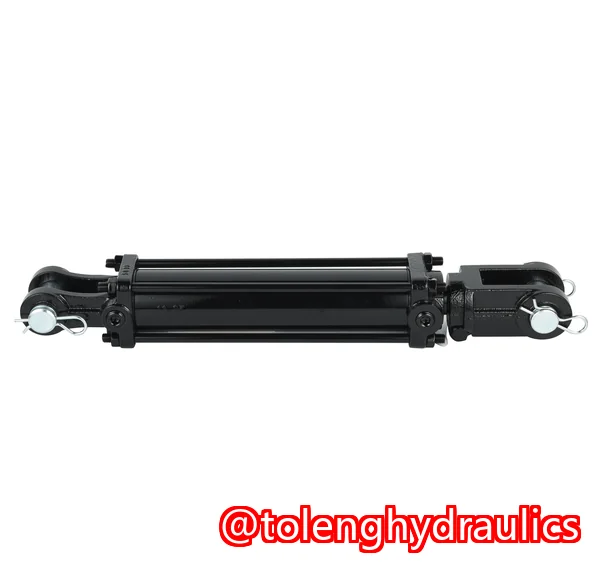
I’ve seen it happen on construction equipment, agricultural machinery, and factory automation systems. A machine that should operate smoothly instead starts losing pressure. The cylinder drifts under load. Hydraulic oil leaks appear around the seals. Before long, the equipment is offline and the maintenance team is scrambling.
In many cases, the root cause isn’t operator error or poor maintenance. It’s simply that the cylinder wasn’t builtor selectedto handle the real operating pressure and load conditions.
Understanding hydraulic cylinder pressure ratings is one of the most important steps in preventing those failures. But pressure rating alone isn’t enough. True hydraulic cylinder quality depends on materials, bore finish, rod strength, seal design, and mounting integrity.
Over the years, I’ve relied on structured inspection methods to evaluate cylinders before they ever reach the machine. Resources like Toleng hydraulics have been especially useful because they break down complex hydraulic design details into practical inspection steps engineers and buyers can actually use.
In this guide, I’ll walk through the real-world challenges of selecting hydraulic cylinders, how pressure ratings relate to durability, and how to inspect cylinders properly so your equipment keeps running reliably.
Why Pressure Ratings Matter More Than Most Buyers Realize
Hydraulic cylinder pressure ratings define how much internal hydraulic force the cylinder can safely handle. If the cylinder operates beyond this limit, structural failure, seal damage, or rod bending can occur.
But here’s the problem: many buyers assume a cylinder will automatically handle the demands of their equipment.
That assumption can be costly.
I’ve seen cylinders installed on loaders and excavators where the pressure rating looked acceptable on paper. Yet within months, seals began leaking and rods showed scoring marks. The reason? The real operating pressureincluding spikes during heavy loadsexceeded the design margin.
A pressure rating isn’t just a number. It reflects the strength of several key components:
-
Cylinder tube wall thickness
-
Internal cylinder bore finish
-
Piston rod diameter and hardness
-
Seal design and material
-
End cap weld integrity
If any one of these components is poorly manufactured, the cylinder may fail long before reaching its rated pressure.
That’s why hydraulic cylinder inspection is essential before purchasing or installing a unit.
Common Challenges When Evaluating Hydraulic Cylinders
Many engineers and procurement teams face the same frustrating challenges when sourcing cylinders.
1. Appearance Can Be Misleading
A new hydraulic cylinder often looks impressive. Smooth paint, shiny rods, and clean welds can give the impression of quality.
Unfortunately, external appearance tells you very little about what matters mostinternal machining and material strength.
I’ve inspected cylinders that looked perfect from the outside but had rough internal bore finishes that quickly destroyed the piston seals.
2. Uncertainty About Seal Materials
The performance of hydraulic cylinders depends heavily on cylinder seals. Yet many product listings don’t specify seal compounds or design.
Different environments require different seal materials:
-
Polyurethane seals for high-pressure durability
-
Nitrile seals for general hydraulic systems
-
PTFE seals for high-speed applications
-
Viton seals for high-temperature environments
Using the wrong seal type often leads to leakage or rapid wear.
3. Poor Bore Finish Causes Rapid Wear
The internal cylinder wallthe boreis where the piston seals slide thousands of times during operation.
If the bore finish is inconsistent or poorly honed, the seals wear unevenly. That leads to internal leakage, reduced force output, and eventually complete cylinder failure.
I’ve seen cylinders fail within months simply because the internal surface wasn’t finished properly.
Using Structured Inspection Methods to Verify Cylinder Quality
To avoid these problems, I rely on structured evaluation methods similar to those recommended in the Toleng hydraulics inspection guide.
These inspection steps help identify quality issues before they become expensive failures.
Let’s walk through the most important ones.
Step 1: Check Cylinder Tube Material and Bore Finish
The cylinder tube is the foundation of the entire assembly. Its strength determines how well the cylinder can handle internal pressure and external loads.
When inspecting a cylinder tube, I look for three things.
Material strength
High-quality cylinders typically use honed steel tubes designed for hydraulic pressure loads.
Low-grade tubes may have:
-
Thin wall sections
-
Inconsistent metallurgy
-
Poor resistance to fatigue cracking
Internal bore finish
A proper bore finish allows seals to glide smoothly while maintaining hydraulic pressure.
Signs of poor bore quality include:
-
Visible machining lines
-
Uneven polishing marks
-
Rough surfaces inside the tube
A well-finished bore should feel smooth and uniform.
Dimensional accuracy
Bore diameter must match piston seals precisely.
If the bore size varies along the length, seal wear becomes inevitable.
Step 2: Inspect the Piston Rod for Strength and Surface Finish
The piston rod is one of the most heavily stressed parts of any hydraulic cylinder.
Poor rod quality can lead to:
-
Seal damage
-
Rod bending
-
Corrosion
-
Surface scoring
Here’s what I check during inspection.
Rod straightness
Even slight rod bending will cause uneven seal wear.
Roll the rod on a flat surface or check with a dial indicator to confirm straightness.
Chrome plating thickness
Most rods use chrome plating to reduce friction and prevent corrosion.
Thin plating wears off quickly. Once exposed, the underlying steel begins damaging the seals.
A high-quality rod typically includes thicker chrome plating designed for long-term use.
Rod surface finish
The rod surface should be smooth without pits, scratches, or flaking chrome.
Surface defects act like sandpaper on seals and dramatically shorten seal life.
Step 3: Evaluate Seal Design and Materials
Hydraulic seals are the first components to fail when cylinder quality is poor.
During inspection or supplier evaluation, I always confirm the hydraulic seal types used in the cylinder.
Important components include:
-
Piston seals
-
Rod seals
-
Wear rings
-
Wipers
Good seal systems include durable materials matched to the application.
For example:
-
Heavy construction equipment requires high-pressure polyurethane seals.
-
Agricultural machines may prioritize dust-resistant wiper seals.
-
Industrial automation cylinders often use low-friction PTFE seals.
Another warning sign is poorly installed seals.
If seals appear twisted, uneven, or poorly lubricated during assembly, leakage is likely to occur early.
Step 4: Verify Weld Quality and Mounting Integrity
Cylinder ends and mounting brackets absorb massive loads during operation.
Weak welds or poor alignment can lead to structural failure.
When inspecting mounts and end caps, look for:
-
Uniform weld beads
-
No visible cracks or porosity
-
Smooth transitions between components
-
Symmetrical mounting points
Common mounting styles include:
-
Clevis mounts
-
Trunnion mounts
-
Flange mounts
-
Foot mounts
Each mounting type must align properly with the equipment to avoid side loads on the rod.
Side loading is one of the fastest ways to destroy hydraulic cylinders.
Step 5: Measure Bore Size and Rod Diameter Accurately
Precise measurement is critical when evaluating cylinder specifications.
I recommend using calibrated measuring tools rather than relying on product documentation alone.
Important measurements include:
Bore size
Measure the internal diameter of the cylinder tube to confirm it matches the specified bore.
Incorrect bore size affects both pressure capacity and output force.
Rod diameter
The rod diameter must match the cylinder design to handle compressive loads.
A rod that is too small may bend under heavy loads.
Stroke length
Verify stroke length by fully extending and retracting the cylinder.
Stroke errors can cause mechanical interference with equipment components.
Step 6: Inspect Hydraulic Ports and Thread Quality
Hydraulic ports connect the cylinder to the hydraulic system.
Poor thread quality can cause:
-
Oil leaks
-
Connection failures
-
Difficult installation
When inspecting ports, I check for:
-
Clean threads without burrs
-
Proper thread depth
-
Smooth sealing surfaces
Fittings should thread smoothly without binding.
Real-World Example: Preventing a Costly Cylinder Failure
A construction contractor once contacted me about repeated cylinder failures on a hydraulic excavator.
Three replacement cylinders had failed within a year.
The symptoms were always the same:
-
Seal leakage
-
Gradual loss of lifting force
-
Oil contamination
After inspecting the cylinder design, the problem became obvious.
The internal cylinder bore finish was rough, and the rods had very thin chrome plating.
Each replacement cylinder destroyed its seals prematurely.
Switching to a higher-quality cylinder with improved bore finishing and thicker rod plating solved the problem immediately.
The new cylinders operated for several years without failure.
This example illustrates why cylinder quality control is far more important than simply buying the lowest-priced option.
Benefits of Proper Hydraulic Cylinder Inspection
Performing thorough inspections before purchasing cylinders provides several long-term benefits.
Reduced equipment downtime
High-quality cylinders are far less likely to fail unexpectedly.
Lower maintenance costs
Better seals, stronger rods, and proper bore finishes extend service life significantly.
Improved equipment safety
Hydraulic failures can cause serious accidents. Reliable cylinders help maintain safe operations.
More informed purchasing decisions
Understanding hydraulic cylinder materials and construction helps buyers avoid poorly manufactured products.
Selecting Reliable Cylinders for Different Applications
Different industries place different demands on hydraulic cylinders.
Here are a few examples.
Construction equipment
Requires heavy-duty cylinders capable of handling shock loads and pressure spikes.
Agricultural machinery
Needs durable seals and corrosion-resistant rods due to dust and weather exposure.
Industrial automation
Often prioritizes smooth motion and precision stroke control.
Material handling equipment
Relies on reliable cylinders for lifting and positioning loads safely.
Using inspection methods like those recommended by Toleng hydraulics helps ensure cylinders meet the specific demands of these applications.
Final Thoughts
Hydraulic cylinders may look simple, but their performance depends on precise engineering and careful manufacturing.
Pressure ratings alone do not guarantee durability. True reliability comes from the combination of strong materials, proper bore finishing, high-quality seals, and well-machined piston rods.
From my experience working with hydraulic equipment, careful inspection is the best way to prevent premature failures.
I highly recommend following these inspection guidelines to ensure any hydraulic cylinder purchase delivers long-term reliability and performance.
If you’re evaluating cylinders for construction equipment, agricultural machinery, or industrial automation, taking the time to inspect these critical components can save thousands in downtime and repairs.
Browse our selection of high-quality hydraulic cylinders:
🔗 https://tolenghydraulics.com/contact/
You can also download our complete hydraulic cylinder inspection checklist to help your team identify quality issues before they affect your equipment.
Frequently Asked Questions
How can I tell if a hydraulic cylinder has quality seals?
Look for clearly specified seal materials and reputable seal manufacturers. High-quality cylinders use seals designed for the specific pressure and environment of the application. Poor seals often show early leakage or uneven wear.
What rod surface finish is best for long seal life?
A smooth chrome-plated rod surface with proper polishing is ideal. The surface should be free from scratches, pits, or peeling chrome. A smooth rod reduces friction and prevents seal damage.
How do I measure bore size and stroke length correctly?
Use precision tools like internal micrometers or bore gauges to measure bore size. Stroke length can be verified by measuring the rod extension distance between the fully retracted and extended positions.
What are the signs of a poorly manufactured cylinder?
Common warning signs include rough bore finishes, thin chrome plating on rods, uneven welds, poorly installed seals, and inconsistent dimensions.
Which cylinder mounting styles are strongest?
Flange mounts and trunnion mounts are typically used for heavy-duty applications because they distribute loads effectively and maintain alignment.
How do I choose between welded and tie-rod cylinders?
Welded cylinders are generally more compact and durable for mobile equipment, while tie-rod cylinders are common in industrial systems where easy maintenance and seal replacement are priorities.
What chrome plating thickness should I look for on rods?
High-quality rods typically use thicker chrome plating designed to resist corrosion and wear. Thin plating often fails quickly and exposes the underlying steel.
Tags / Keywords:
hydraulic cylinder quality, cylinder seals, rod finish, bore size, hydraulic cylinder maintenance, cylinder inspection, welded hydraulic cylinder, tie-rod cylinder, hydraulic cylinder buying guide, cylinder failure prevention, hydraulic cylinder materials

