
How to Chrome a Hydraulic Cylinder Rod Step-by-Step
Learn how chrome plating improves hydraulic cylinder rod durability and how to inspect cylinder quality to avoid seal failure, leaks, and costly downtime.
A few years ago, I was helping a maintenance team troubleshoot a stubborn hydraulic leak on a piece of construction equipment. The machine had only been running for a few months, yet the hydraulic cylinder was already showing signs of troubleoil around the rod, reduced lifting power, and eventually complete seal failure.
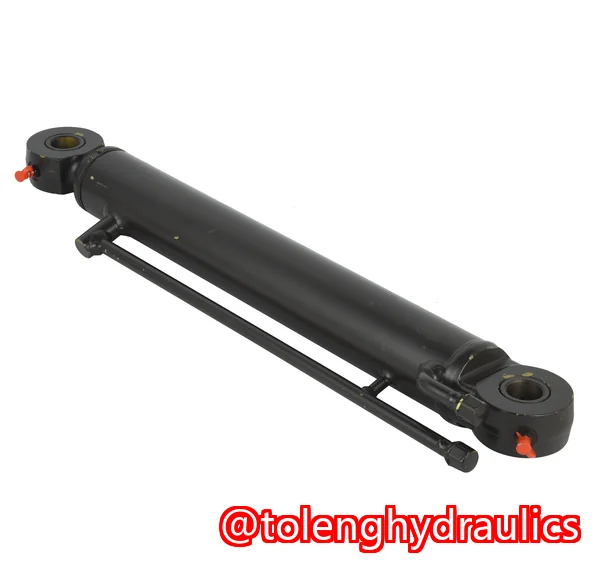
At first glance, the cylinder looked perfectly fine. The paint was clean. The welds seemed solid. But when we inspected the piston rod closely, the problem became obvious: the chrome plating was thin and uneven. Within weeks of operation, the rod had begun to score and damage the seals.
Situations like this are far more common than most equipment owners expect.
Whether you’re running excavators on a job site, maintaining agricultural machinery, or managing industrial automation systems, the quality of a hydraulic cylinder rodespecially its chrome platingplays a huge role in reliability. Poor rod finishing leads to premature seal wear, leakage, contamination, and expensive downtime.
Over the years, I’ve learned that understanding how a hydraulic cylinder rod is chrome plated and how to inspect it properly can help avoid many of these problems. In this guide, I’ll walk through the chrome plating process step-by-step and share practical inspection tips used by experienced maintenance engineers.
Why Chrome Plating Matters for Hydraulic Cylinder Rods
Before diving into the process, it’s worth understanding why chrome plating is so critical in hydraulic cylinders.
The piston rod constantly slides through seals under pressure. If the rod surface is rough, soft, or poorly finished, seals wear out quickly. Even microscopic imperfections can cause leaks.
Hard chrome plating solves several problems at once:
-
Improves surface hardness
-
Reduces friction
-
Prevents corrosion
-
Extends seal life
-
Improves rod durability
In short, chrome plating protects both the rod and the cylinder seals.
But not all chrome plating is created equal.
I’ve seen rods that looked shiny but failed within months because the plating thickness or polishing process was inadequate.
Understanding the proper process helps you recognize true hydraulic cylinder quality.
Step 1: Preparing the Hydraulic Cylinder Rod
The chrome plating process begins long before any metal is actually deposited on the rod.
First, the rod material itself must be suitable.
High-quality rods are typically made from medium carbon steel or induction-hardened steel. The material must be strong enough to handle hydraulic pressure and bending loads.
Once the rod blank is cut and machined, it goes through several preparation stages:
Surface grinding
The rod is ground to a precise diameter and smoothness. This is critical because chrome plating follows the shape of the base metal. If the rod surface has defects, the chrome will not fix themit will simply replicate them.
Cleaning and degreasing
Any oil, grease, or contaminants must be removed. This usually involves chemical baths or ultrasonic cleaning.
Acid activation
Before plating, the rod is dipped in an acid solution that activates the metal surface and ensures strong adhesion of the chrome layer.
If these preparation steps are rushed, the chrome plating may eventually peel or crack.
Step 2: Electroplating the Chrome Layer
The next stage is the actual chrome plating.
Hydraulic cylinder rods are typically plated using hard chrome electroplating.
Here’s how it works in simple terms:
The rod is submerged in a plating bath containing chromium solution. An electrical current passes through the bath, causing chromium metal to deposit onto the rod surface.
The rod acts as the cathode, while lead or alloy plates act as anodes.
Over time, the chromium builds up into a protective layer.
Typical Chrome Thickness
For most hydraulic cylinders, chrome plating thickness ranges from:
-
20 to 50 microns for light-duty applications
-
50 to 100 microns for heavy-duty cylinders
Construction and mining equipment usually require thicker plating due to harsh environments.
If the plating is too thin, the rod can quickly wear through the chrome layer and expose the softer base metal.
Step 3: Baking for Hydrogen Relief
One step that many people don’t realize exists is hydrogen embrittlement relief.
During electroplating, hydrogen atoms can enter the steel structure of the rod. If left untreated, this can weaken the metal and cause cracking under load.
To prevent this, rods are typically baked in an oven shortly after plating.
The baking process removes trapped hydrogen and restores the metal’s mechanical strength.
Skipping this step can dramatically reduce rod lifespan.
Step 4: Precision Grinding and Polishing
Once the chrome layer has been applied, the rod still isn’t ready for service.
Chrome plating is not perfectly smooth straight out of the bath.
So the rod undergoes a precision grinding and polishing process.
This step ensures the rod meets strict surface finish requirements.
High-quality hydraulic cylinder rods usually have a surface roughness of:
Ra 0.10.4 microns
Why is this important?
Because the rod interacts directly with cylinder seals.
If the surface is too rough:
-
Seals wear out quickly
-
Hydraulic oil leaks develop
-
Contamination enters the cylinder
A properly polished rod significantly extends seal life.
Step 5: Final Inspection and Quality Control
Once grinding and polishing are complete, the rod undergoes quality inspection.
Experienced manufacturers perform several checks, including:
Chrome thickness measurement
Special instruments verify the plating thickness meets specifications.
Surface roughness testing
Profilometers measure rod finish to ensure seal compatibility.
Straightness testing
Even slight bending can cause uneven seal wear.
Hardness testing
Chrome hardness typically reaches 8501000 HV, providing excellent wear resistance.
These quality checks are essential for ensuring the rod performs reliably in demanding hydraulic systems.
Common Pain Points When Evaluating Hydraulic Cylinders
Even experienced buyers sometimes struggle to evaluate hydraulic cylinder quality.
Here are three challenges I frequently see.
1. Appearance Can Be Misleading
A cylinder can look perfectly finished on the outside while hiding serious internal issues.
For example:
-
Poor bore finish
-
Low-quality seals
-
Thin chrome plating
-
Misaligned rod machining
Paint and cosmetics rarely tell the whole story.
This is why hydraulic cylinder inspection is so important before purchasing.
2. Uncertainty About Seal Materials
Cylinder seals are often overlooked during purchasing decisions.
Yet seals are usually the first component to fail.
Different applications require different materials:
-
Nitrile (NBR) general-purpose hydraulics
-
Polyurethane (PU) abrasion resistance
-
PTFE high temperature or high speed
If the seals aren’t suited to the operating environment, leakage can occur quickly.
3. Poor Bore Finishing
Another hidden issue is cylinder bore finish.
Inside the cylinder tube, the bore must be honed to precise tolerances.
A rough bore creates excessive friction and damages piston seals.
Unfortunately, this is difficult to detect without proper inspection tools.
Practical Tips for Inspecting Hydraulic Cylinder Quality
Over time, I’ve developed a checklist that helps identify reliable cylinders before installing them.
Here are several inspection methods worth using.
Check the Rod Surface Carefully
Run a clean cloth along the rod surface.
Look for:
-
Scratches
-
Pitting
-
Uneven chrome color
-
Micro lines or spiral marks
These can indicate poor polishing or plating defects.
Measure Rod Diameter
Use a micrometer to confirm the rod diameter matches specifications.
Inconsistent diameter can cause uneven seal wear.
Verify Rod Straightness
Roll the rod slowly on precision blocks.
Any visible wobble may indicate bending.
Even small deviations can lead to premature seal failure.
Inspect Cylinder Ports and Threads
Hydraulic ports should be cleanly machined.
Watch for:
-
Rough threads
-
Metal burrs
-
Poorly cut fittings
These can cause leaks or connection failures.
Examine Weld Quality
Cylinder mounts and end caps should have consistent weld beads.
Signs of poor welding include:
-
Porosity
-
Incomplete fusion
-
Excess spatter
Poor welds can lead to structural failure under load.
How Proper Inspection Prevents Costly Failures
Taking the time to evaluate hydraulic cylinders before installation can prevent a long list of problems.
When cylinder quality is verified early, you can:
Avoid equipment downtime
Unexpected cylinder failure can halt entire operations.
Reduce maintenance costs
Quality cylinders require fewer seal replacements.
Improve safety
Hydraulic failures in heavy equipment can be dangerous.
Extend service life
High-quality rods and bores dramatically increase durability.
This is why many engineers rely on structured inspection guides.
Using Toleng Hydraulics as a Reference for Cylinder Evaluation
One of the most helpful resources I’ve come across for evaluating hydraulic cylinders is the Toleng hydraulics inspection guide.
The guide walks through key elements engineers should check when selecting or purchasing cylinders, including:
-
Identifying cylinder types
-
Understanding hydraulic seal types
-
Evaluating rod chrome plating quality
-
Checking cylinder bore finish
-
Measuring bore size and stroke length
-
Assessing mounting styles and weld integrity
This kind of structured approach makes it much easier for procurement teams and maintenance engineers to distinguish reliable cylinders from poorly manufactured ones.
The goal isn’t just choosing a cylinder that works todaybut one that continues performing for years.
Real-World Example: Preventing a Rod Failure
I once worked with a material handling company that replaced cylinders on several forklifts every six months.
The issue turned out to be substandard rod chrome plating.
After switching to higher-quality cylinders with thicker chrome layers and better polishing, the same equipment ran for more than two years without a single rod replacement.
Sometimes the difference between constant maintenance and reliable operation comes down to just a few microns of plating.
Final Thoughts
Hydraulic cylinders are often treated as simple components, but in reality they are precision mechanical systems.
Rod chrome plating, bore finish, seal quality, and material selection all play critical roles in performance.
Understanding how a hydraulic cylinder rod is chrome plated step-by-step helps engineers and equipment buyers make smarter decisions when sourcing components.
Personally, I highly recommend following these inspection guidelines to ensure any hydraulic cylinder purchase delivers long-term reliability and performance.
If you’re evaluating new cylinders or reviewing supplier quality standards, using a structured inspection approach can save enormous time and money.
Browse our selection of high-quality hydraulic cylinders:
🔗 https://tolenghydraulics.com/contact/
Download our complete hydraulic cylinder inspection checklist today and make your next hydraulic cylinder purchase with confidence.
FAQ
How can I tell if a hydraulic cylinder has quality seals?
Quality seals typically have consistent molding, no visible cracks, and proper material selection for the operating environment. Always verify the seal materialsuch as polyurethane or PTFEand ensure it matches the pressure and temperature requirements.
What rod surface finish is best for long seal life?
Hydraulic cylinder rods should have a surface finish around Ra 0.10.4 microns. This smooth finish minimizes friction and reduces wear on seals, extending service life.
How do I measure bore size and stroke length correctly?
Bore size is measured using an internal micrometer or bore gauge inside the cylinder tube. Stroke length is the distance the piston travels from fully retracted to fully extended. Accurate measurement ensures compatibility with the hydraulic system.
What are the signs of a poorly manufactured cylinder?
Common warning signs include thin chrome plating, rough rod surfaces, inconsistent welds, poor port threading, and uneven bore finishing. These issues often lead to leaks or premature failure.
Which cylinder mounting styles are strongest?
Heavy-duty applications often use trunnion mounts or clevis mounts because they handle side loads well. The best mounting style depends on how the cylinder moves within the machine.
How do I choose between welded and tie-rod cylinders?
Welded cylinders are compact and common in mobile equipment, while tie-rod cylinders are easier to service and frequently used in industrial machinery. The choice depends on application requirements and maintenance needs.
What chrome plating thickness should I look for on rods?
For most heavy-duty hydraulic cylinders, chrome plating thickness should fall between 50 and 100 microns. Thicker plating improves wear resistance and protects the rod from corrosion.
Tags / Keywords
hydraulic cylinder quality, cylinder seals, rod finish, bore size, hydraulic cylinder maintenance, hydraulic cylinder inspection, welded hydraulic cylinder, tie-rod cylinder, hydraulic cylinder buying guide, cylinder failure prevention, hydraulic cylinder materials, rod chrome plating

