
Hydraulic Cylinder for Forklifts Complete Buying Guide
Learn how to identify high-quality hydraulic cylinders for forklifts by inspecting seals, rod finish, bore size, and materials to prevent leaks, downtime, and premature failure.
When purchasing hydraulic cylinders for heavy equipment, I’ve learned that not all cylinders are built to last. I’ve seen forklifts taken out of service because a brand-new cylinder started leaking after just a few weeks. Sometimes it’s a failed seal. Other times the piston rod gets scratched, or the bore finish inside the cylinder tube isn’t smooth enough to support long-term operation.
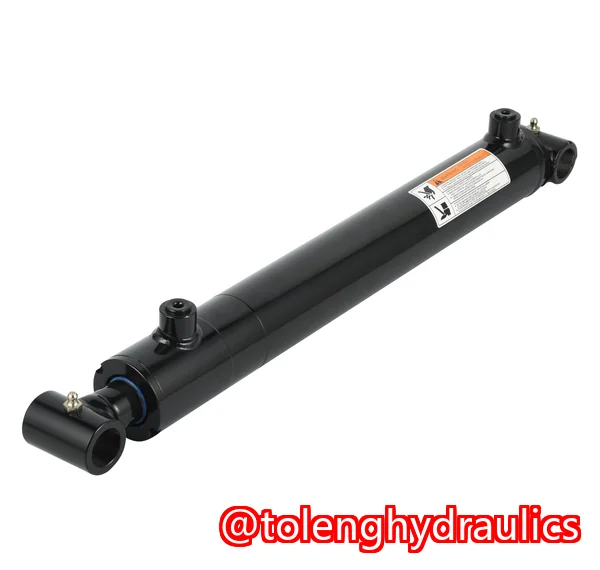
In material handling environmentswarehouses, distribution centers, and manufacturing plantsforklifts work nonstop. Every lift, tilt, and load shift relies on hydraulic cylinders performing perfectly. When a cylinder fails, the forklift goes down. When the forklift goes down, the workflow stops.
That’s why identifying hydraulic cylinder quality before purchasing is critical.
Over the years, working with engineers, maintenance teams, and equipment buyers, I’ve developed a practical inspection approach that helps separate high-quality cylinders from poorly manufactured ones. In this guide, I’ll walk through common buying challenges, real-world failure scenarios, and step-by-step inspection methods that anyonefrom maintenance technicians to procurement specialistscan use.
This is also where tools and resources like Toleng hydraulics can help. Their inspection guidance and technical documentation provide a solid reference for evaluating cylinder quality before installation.
Let’s break it down.
Why Forklift Hydraulic Cylinder Quality Matters
A forklift hydraulic cylinder might look simple from the outside. A tube, a rod, some seals, and mounting points. But inside that assembly are several critical factors that determine whether the cylinder lasts for yearsor fails in months.
Poorly manufactured cylinders often suffer from:
-
Premature seal failure
-
Rod scoring or chrome peeling
-
Internal leakage
-
Cylinder tube wear
-
Mounting weld cracks
I once inspected a forklift tilt cylinder that had failed after only three months. At first glance, it looked fine. But once disassembled, the problem was obvious: the bore inside the cylinder tube had inconsistent honing marks. That rough surface destroyed the piston seal.
The result?
Hydraulic oil bypassed the piston, the mast slowly tilted forward, and the forklift had to be removed from service.
Failures like this are rarely caused by one single defect. Usually, they’re the result of poor quality control during manufacturing.
The good news is that many of these issues can be detected before purchase with a proper hydraulic cylinder inspection.
Common Challenges When Evaluating Hydraulic Cylinders
1. Appearance Can Be Misleading
One of the biggest mistakes buyers make is judging a cylinder by how it looks externally.
A fresh coat of paint, polished rod, and clean welds might make the cylinder appear high-quality. But those cosmetic features don’t guarantee durability.
Critical componentslike the cylinder bore finish, seal grooves, and piston tolerancesare hidden inside.
That’s why internal inspection standards matter far more than visual appearance.
2. Seal Materials Are Often Unknown
Hydraulic seals play a huge role in cylinder longevity. Yet many suppliers provide little detail about seal materials or designs.
Different applications require different hydraulic seal types, including:
-
Nitrile (NBR)
-
Polyurethane (PU)
-
PTFE
-
Viton for high-temperature environments
Using the wrong seal material can lead to:
-
Oil leakage
-
Rapid wear
-
Reduced pressure tolerance
For forklifts operating in high-cycle environments, seal durability is essential.
3. Rod Surface Finish and Chrome Plating Quality
The piston rod constantly moves through seals during operation. If the rod surface is rough, scratched, or poorly plated, seal life drops dramatically.
I’ve seen rods with chrome layers so thin they started peeling after a few hundred hours of use.
This not only damages seals but can also contaminate the hydraulic system.
A proper rod finish and chrome plating thickness dramatically improves cylinder life.
How to Inspect Hydraulic Cylinder Quality Before Buying
Now let’s look at practical inspection steps that engineers and maintenance teams can follow.
These methods are simple, effective, and based on real maintenance experience.
Step 1: Inspect the Cylinder Tube Material and Bore Finish
The cylinder tube is the backbone of the hydraulic assembly.
Inside the tube is the bore, where the piston and seals travel during operation. The surface finish here is extremely important.
A high-quality bore should have:
-
Precision honing
-
Consistent cross-hatch patterns
-
Smooth surface texture
Why does this matter?
Because the cross-hatch finish retains a thin oil film that lubricates seals.
If the bore finish is too rough:
-
Seals wear quickly
-
Internal leakage develops
-
Cylinder efficiency drops
If possible, ask the supplier about their cylinder bore finish specification.
Quality manufacturers carefully control this parameter.
Step 2: Check Piston Rod Hardness and Chrome Plating
The piston rod is one of the most stressed components in a forklift hydraulic cylinder.
It handles compression, tension, and environmental exposure.
During inspection, verify:
Rod hardness
Quality rods typically undergo induction hardening or similar processes to improve strength.
Chrome plating thickness
Hard chrome protects the rod from corrosion and wear.
Look for:
-
Uniform chrome layer
-
Smooth mirror finish
-
No pits or micro-cracks
Typical industrial rods use chrome plating thickness around 2030 microns or higher depending on application.
Poor plating leads to corrosion, which damages seals quickly.
Step 3: Evaluate Seal Quality and Installation
Seals should never be an afterthought.
Ask suppliers about the seal brand or material specifications.
During inspection, check for:
-
Proper seal seating
-
No twisting or deformation
-
Correct installation orientation
Signs of poor seal quality include:
-
Thin or brittle material
-
Rough edges
-
Inconsistent molding
A properly installed seal system prevents leakage while minimizing friction.
This directly affects hydraulic cylinder maintenance intervals.
Step 4: Inspect Weld Quality on Mounting Points
Forklift cylinders experience heavy mechanical loads, especially at mounting points.
Poor welding can lead to catastrophic failures.
Look closely at:
-
Mounting ears
-
Clevis brackets
-
Base mounts
Quality welds should show:
-
Smooth transitions
-
Consistent bead shape
-
No visible cracks or porosity
If the weld looks rushed or uneven, that’s a warning sign.
Structural integrity is critical for safety.
Step 5: Verify Bore Size and Rod Diameter
Accurate dimensions are essential for proper cylinder performance.
Incorrect bore size or rod diameter can cause pressure issues or load instability.
To measure correctly:
Tools needed
-
Vernier caliper
Explore Toleng hydraulics Software at: 🔗 https://tolenghydraulics.com/contact/

