
The Role of Hydraulic Cylinders in Excavators: Quality, Seals, Rod Finish, and Reliable Performance
Hydraulic cylinders are the heart of an excavator’s motion. Learn how to identify high-quality cylinders, inspect seals, rod finish, and bore size to prevent failures and extend equipment life.
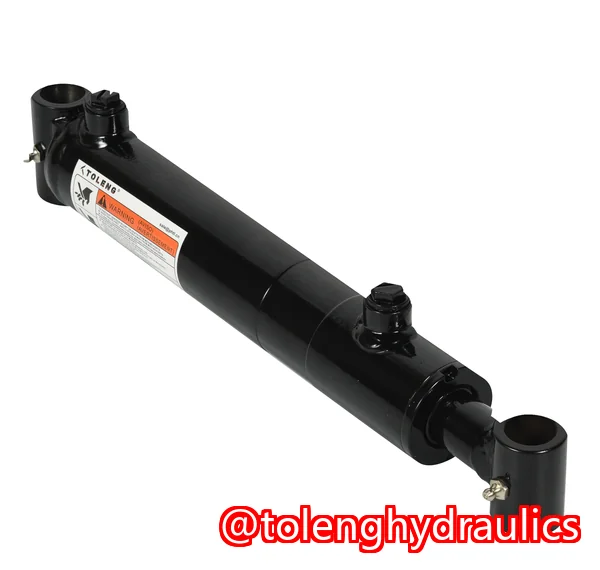
When purchasing hydraulic cylinders for heavy equipment, I’ve learned that not all cylinders are built to last. Premature seal failure, rod damage, and slow hydraulic leaks can bring an entire operation to a halt. I’ve seen excavators sit idle on job sites for days because a poorly manufactured cylinder failed after only a few months of use. For equipment owners and maintenance teams, that kind of downtime isn’t just frustratingit’s expensive.
Excavators rely heavily on hydraulic cylinders for almost every movement. From lifting the boom to curling the bucket, cylinders convert hydraulic pressure into the controlled force that makes digging, lifting, and loading possible. When they work properly, operators barely think about them. But when they fail, everything stops.
Over the years, working alongside maintenance engineers and procurement specialists, I’ve realized that many buyers struggle with the same question: How can you tell if a hydraulic cylinder is truly high quality before installing it on expensive equipment? The outside appearance can be deceiving. Two cylinders may look nearly identical, yet one may last years while the other fails within months.
This is exactly why proper hydraulic cylinder inspection and quality evaluation are so important. With the right knowledgeand the right inspection checklistyou can quickly identify reliable cylinders and avoid costly surprises.
Our team at Toleng hydraulics created a practical inspection guide to help engineers, maintenance professionals, and equipment buyers evaluate cylinder quality with confidence. The goal is simple: make it easier to distinguish well-engineered hydraulic cylinders from poorly manufactured ones before they cause downtime.
Let’s start by understanding the real role hydraulic cylinders play in excavators and what separates high-quality cylinders from unreliable ones.
Why Hydraulic Cylinders Are Critical to Excavator Performance
Every excavator uses several major cylinders to control movement:
-
Boom cylinders lift and lower the boom arm
-
Arm cylinders extend and retract the digging arm
-
Bucket cylinders control bucket movement
-
Swing and stabilizing cylinders maintain balance and precision
These cylinders operate under constant pressure and heavy loads. Dirt, vibration, temperature changes, and continuous cycling all put stress on internal components. If even one cylinder develops a leak or internal scoring, it can reduce digging power, cause erratic movement, or create dangerous working conditions.
High-quality cylinders must withstand:
-
High pressure cycles
-
Abrasive environmental conditions
-
Heavy mechanical loads
-
Continuous movement throughout the workday
That’s why proper cylinder quality control is essential when sourcing replacement components or specifying cylinders for new equipment.
Common Pain Points When Evaluating Hydraulic Cylinders
In conversations with construction managers and maintenance engineers, three common challenges come up again and again.
1. Cylinders That Look Good but Fail Early
One of the most common issues is that many cylinders look perfectly fine from the outside. Smooth paint, clean welds, and shiny rods can give the impression of quality.
But internal problems such as poor cylinder bore finish, soft piston rods, or low-quality seals can cause failures long before expected.
Typical signs of this problem include:
-
Oil leakage within a few months
-
Reduced lifting power
-
Seal damage after minimal use
-
Cylinder drift under load
Without proper inspection, these issues can remain hidden until the cylinder is already installed and operating.
2. Uncertainty About Seal Materials and Seal Types
Hydraulic seal types play a huge role in cylinder longevity. However, many buyers receive little information about the seal materials used inside the cylinder.
Low-quality seals may degrade quickly when exposed to:
-
High temperatures
-
Contaminated hydraulic oil
-
High pressure spikes
-
Frequent movement cycles
A cylinder equipped with poor seal materials may leak early, even if the rest of the components are acceptable.
3. Poor Rod Surface Finish and Chrome Plating
The piston rod is constantly moving in and out of the cylinder, sliding through seals thousands of times per day. If the rod surface finish is rough or the chrome plating is too thin, seals will wear out rapidly.
Common problems caused by poor rod finish include:
-
Scratched seals
-
External oil leakage
-
Contamination entering the cylinder
-
Reduced seal life
These failures often appear gradually, which makes them difficult to diagnose without careful inspection.
A Practical Approach to Hydraulic Cylinder Inspection
The best way to avoid these problems is to inspect cylinders carefully before installation. The inspection process doesn’t require complex laboratory equipmentjust a systematic approach.
The inspection guide developed by Toleng hydraulics focuses on several key areas that directly impact reliability.
Checking the Cylinder Tube and Bore Finish
The cylinder tube is the main pressure vessel. Its internal surface must be smooth and precisely machined to allow seals to operate correctly.
When evaluating cylinder bore finish, look for:
-
Smooth, consistent internal surface texture
-
No visible scoring or machining marks
-
Uniform bore diameter throughout the length
A rough or uneven bore finish can quickly destroy internal seals.
Practical tip:
If possible, use a bore gauge or internal micrometer to confirm the bore size matches the specification. Even small deviations can cause seal wear and performance issues.
Proper bore size measurement ensures:
-
Correct seal compression
-
Proper piston alignment
-
Efficient hydraulic pressure control
Inspecting the Piston Rod
The piston rod is one of the most important components in any hydraulic cylinder.
A high-quality rod should have:
-
Proper hardness
-
Thick chrome plating
-
Smooth surface finish
-
Excellent straightness
When inspecting a rod, check for:
-
Small pits or scratches
-
Uneven chrome plating
-
Surface discoloration
-
Visible bending or misalignment
Chrome plating thickness is especially important. Thin plating may wear away quickly, exposing the softer steel underneath. Once that happens, seal damage occurs rapidly.
Evaluating Seal Types and Materials
Hydraulic seals are designed to contain pressure while allowing smooth movement of internal components.
High-quality cylinders typically use specialized seal materials such as:
-
Polyurethane
-
Nitrile rubber
-
PTFE composites
Each material has different advantages depending on the operating environment.
For example:
-
Polyurethane seals offer strong wear resistance
-
Nitrile seals perform well with standard hydraulic oils
-
PTFE seals handle high temperatures and low friction conditions
When evaluating a cylinder, it’s important to confirm the seals are appropriate for the intended application.
Warning signs of poor seal quality include:
-
Uneven seal edges
-
Visible deformation
-
Hard or brittle materials
-
Poor fit within seal grooves
Verifying Weld Quality on Cylinder Ends
Excavator cylinders often experience high mechanical loads at their mounting points. Poor welding can lead to cracks or catastrophic failures.
Inspect weld areas around:
-
Cylinder caps
-
Mounting eyes
-
Trunnion mounts
-
Clevis connections
Good welds should appear:
-
Smooth and uniform
-
Free from cracks or porosity
-
Properly penetrated
Weak welds may not fail immediately but can develop cracks after repeated stress cycles.
Measuring Bore Size and Rod Diameter
Accurate measurements are essential for verifying cylinder specifications.
To measure bore size correctly:
-
Clean the inside of the cylinder tube.
-
Use a calibrated bore gauge or internal micrometer.
-
Measure at multiple points along the bore.
-
Compare readings with design specifications.
For rod diameter:
-
Use a micrometer rather than a caliper.
-
Measure at several points along the rod.
-
Check for taper or uneven wear.
Even small variations can indicate manufacturing defects.
Checking Rod Straightness and Surface Defects
Rod straightness is often overlooked but can dramatically affect seal life.
A bent rod causes uneven pressure on seals, which leads to leaks and accelerated wear.
To check straightness:
-
Roll the rod on a flat surface
-
Use dial indicators if available
-
Look for visible wobble
Surface defects such as dents, scratches, or corrosion should also be carefully inspected.
Inspecting Hydraulic Ports and Thread Quality
Hydraulic port threads must be precisely machined to prevent leaks and ensure proper fitting connections.
Poor port machining may lead to:
-
Oil leakage
-
Damaged fittings
-
Improper sealing
When inspecting ports:
-
Verify thread cleanliness
-
Check for burrs or metal chips
-
Confirm correct thread standards
Even minor imperfections can create long-term reliability problems.
Real-World Example: Preventing Excavator Downtime
A construction contractor once replaced two bucket cylinders on a mid-size excavator with lower-cost alternatives sourced from an unfamiliar supplier. The cylinders looked fine initially, but after several months, the machine began losing digging power.
Inspection revealed:
-
Premature seal wear
-
Rough internal bore finish
-
Thin chrome plating on the rods
The contractor eventually replaced both cylinders with higher-quality units and implemented a more thorough hydraulic cylinder inspection process for future purchases.
Since then, their maintenance team has significantly reduced cylinder-related downtime.
Why Proper Inspection Saves Time and Money
Taking time to inspect hydraulic cylinders before installation provides several major benefits.
Reduced equipment downtime
Reliable cylinders keep excavators operating continuously on demanding job sites.
Lower maintenance costs
High-quality components reduce frequent repairs and replacement cycles.
Improved safety
Strong mounting points and properly functioning seals reduce the risk of hydraulic failures.
Better purchasing decisions
Procurement teams can confidently select cylinders that deliver long-term performance.
Choosing the Right Hydraulic Cylinder for Your Application
Hydraulic cylinders are used in many industries beyond excavators, including:
-
Construction equipment
-
Agricultural machinery
-
Industrial automation
-
Material handling systems
-
Mobile hydraulic equipment
Each application requires careful consideration of:
-
Cylinder bore size
-
Stroke length
-
Mounting style
-
Seal materials
-
Rod finish quality
A reliable inspection process helps ensure the cylinder you choose will perform reliably in demanding environments.
Final Thoughts
Hydraulic cylinders may appear simple from the outside, but their performance depends on precise engineering and careful manufacturing. Small detailslike rod surface finish, bore accuracy, seal material, and weld strengthmake a huge difference in long-term reliability.
Over the years, I’ve learned that spending a little extra time inspecting cylinders before purchase can prevent major equipment problems later. By carefully checking bore size, rod quality, seal types, weld integrity, and mounting points, buyers can identify high-quality hydraulic cylinders and avoid premature failures.
I highly recommend following these inspection guidelines to ensure any hydraulic cylinder purchase delivers long-term reliability and performance.
Browse our selection of high-quality hydraulic cylinders:
🔗 https://tolenghydraulics.com/contact/
Download our complete hydraulic cylinder inspection checklist today and make every cylinder purchase a confident one.
FAQ
How can I tell if a hydraulic cylinder has quality seals?
Look for seals made from durable materials such as polyurethane, nitrile, or PTFE. High-quality seals should have clean edges, consistent shapes, and proper fit inside their grooves. Poor seals often appear brittle, uneven, or loosely installed.
What rod surface finish is best for long seal life?
A smooth, polished rod surface with high-quality chrome plating is ideal. Rough surfaces or thin plating quickly damage seals and lead to oil leakage.
How do I measure bore size and stroke length correctly?
Use an internal bore gauge or micrometer to measure the cylinder tube at several points along its length. Stroke length is measured as the total distance the rod travels between full extension and full retraction.
What are the signs of a poorly manufactured cylinder?
Common indicators include rough bore surfaces, thin chrome plating, weak welds, poor seal installation, and inconsistent dimensions between components.
Which cylinder mounting styles are strongest?
Mounting strength depends on the application, but heavy-duty excavators often use clevis mounts, trunnion mounts, or cross-tube mounts designed to handle high load cycles.
How do I choose between welded and tie-rod cylinders?
Welded cylinders are common in mobile equipment because they are compact and durable. Tie-rod cylinders are easier to service and are often used in industrial applications.
What chrome plating thickness should I look for on rods?
Thicker chrome plating generally provides better wear resistance and corrosion protection. Thin plating can wear away quickly and expose the underlying steel.
Tags
hydraulic cylinder quality, cylinder seals, rod finish, bore size, hydraulic cylinder maintenance, cylinder inspection, welded hydraulic cylinder, tie-rod cylinder, hydraulic cylinder buying guide, cylinder failure prevention, hydraulic cylinder materials, hydraulic cylinder inspection

