
Introduction
Hydraulic cylinders are the muscles behind modern machinery, providing powerful linear motion for lifting, pushing, pulling, and positioning heavy loads. Among the various cylinder designs available, the ram type hydraulic cylinder is known for its simple construction, high force output, and durability in demanding applications.
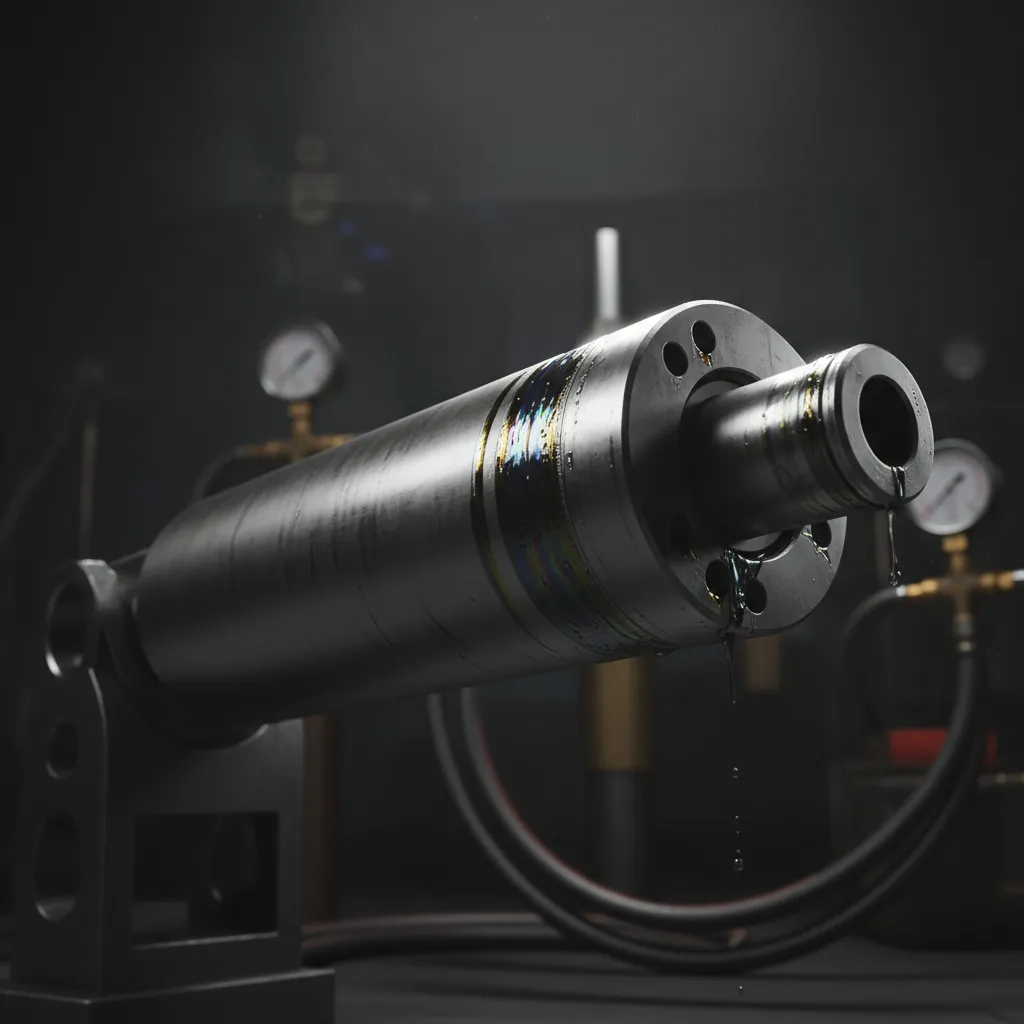
Whether used on dump trucks, cranes, agricultural equipment, or industrial machinery, hydraulic ram cylinders play a critical role in converting hydraulic energy into mechanical force.
In this guide, we’ll explain what a ram type hydraulic cylinder is, how it works, its internal components, common types, applications, advantages, and maintenance considerations.
What Is a Ram Type Hydraulic Cylinder?
A ram type hydraulic cylinder, often called a hydraulic ram, is a hydraulic actuator that generates linear force through hydraulic pressure acting on a large-diameter piston rod.
Unlike conventional piston cylinders, the ram itself serves as the primary moving component, and its rod diameter is typically more than half of the cylinder bore diameter.
Definition
A hydraulic ram cylinder is:
A hydraulic actuator in which the piston rod occupies a large portion of the cylinder bore area, allowing the cylinder to generate extremely high pushing force while maintaining a relatively simple structure.
Because of this design, ram cylinders are particularly suitable for applications requiring:
- Heavy lifting
- Vertical load support
- High compression forces
- Long service life
How Does a Hydraulic Ram Work?
The operating principle of a hydraulic ram is based on Pascal’s Law, which states that pressure applied to a confined fluid is transmitted equally in all directions.
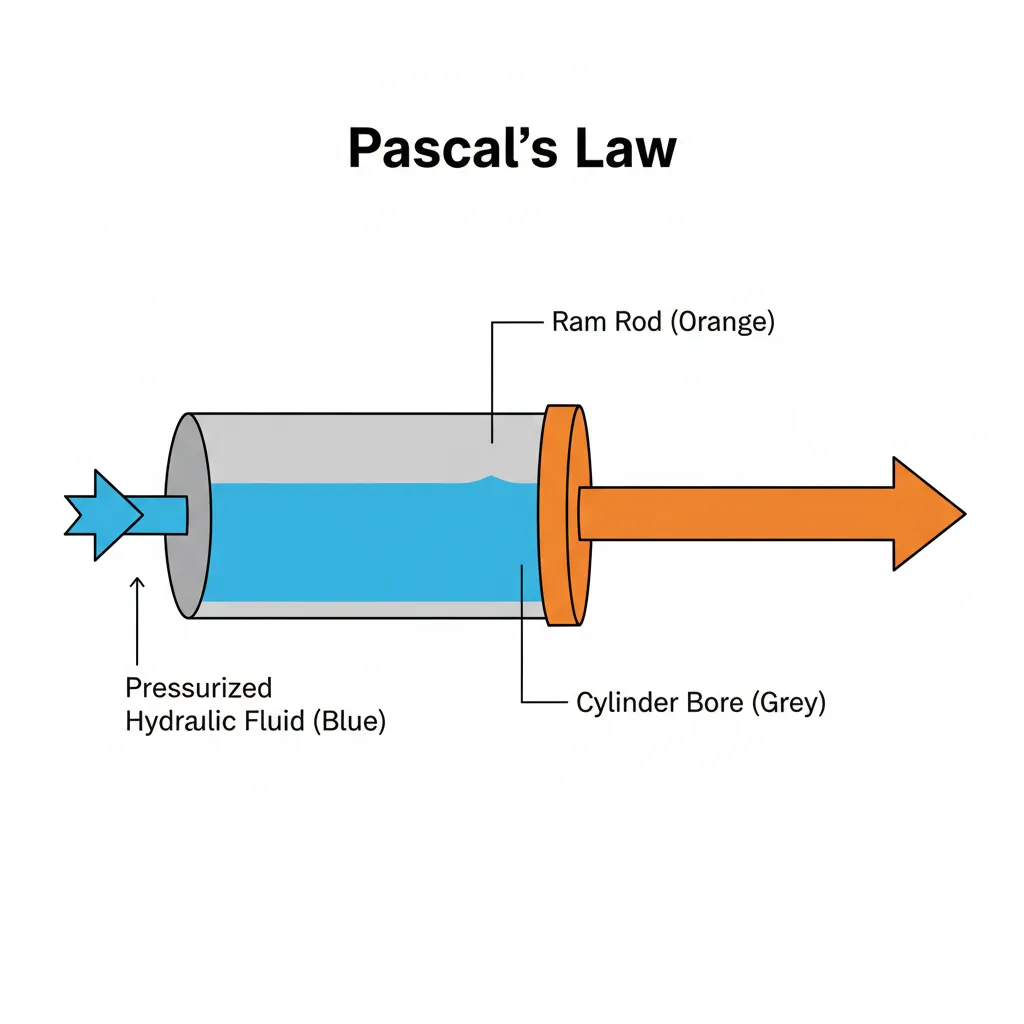
Step 1: Hydraulic Fluid Enters the Cylinder
Pressurized hydraulic oil is delivered into the cylinder chamber through the hydraulic port.
Step 2: Pressure Builds Inside the Cylinder
As hydraulic fluid fills the chamber, pressure acts against the piston surface or ram face.
Step 3: Force Is Generated
The hydraulic pressure pushes the ram outward, creating powerful linear motion that can lift, push, or support heavy loads.
When pressure is released:
- A spring
- Gravity
- External load
- Or hydraulic pressure on the opposite side
returns the ram to its original position, depending on the cylinder design.
Hydraulic Force Formula
F=P×AF=P\times A
Where:
- F = Force
- P = Hydraulic Pressure
- A = Effective Area
This explains why large-diameter ram cylinders can generate enormous forces even at moderate system pressures.
What’s Inside a Hydraulic Ram?
A ram cylinder may appear simple externally, but several precision components work together to ensure reliable operation.
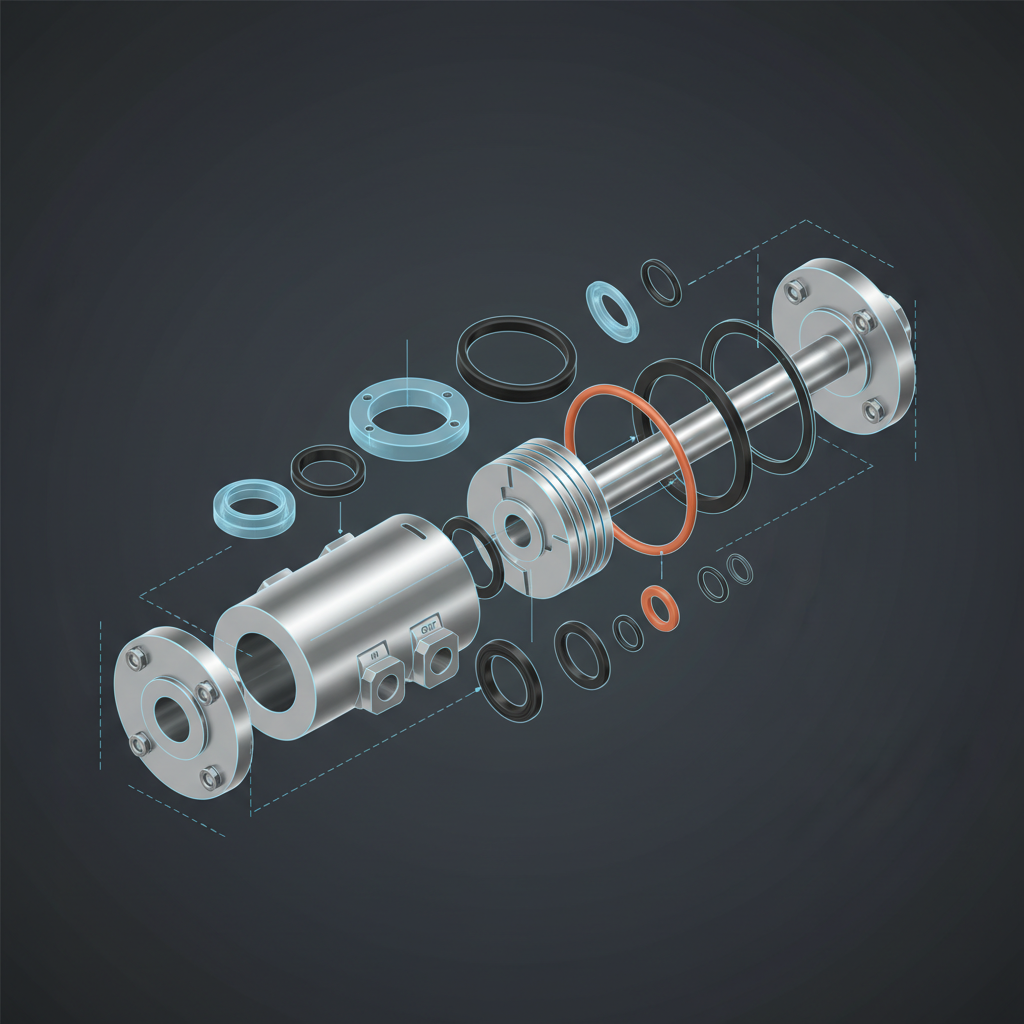
1. Cylinder Barrel
The pressure-containing housing that holds hydraulic fluid and guides ram movement.
2. Ram (Piston Rod)
The primary load-bearing component responsible for transmitting force.
3. Piston
Separates hydraulic chambers and converts fluid pressure into motion.
4. Guide Bushing
Supports the ram and minimizes side loading.
5. Hydraulic Ports
Allow hydraulic fluid to enter and exit the cylinder.
6. End Caps
Seal the cylinder assembly and secure internal components.
7. Sealing System
Includes:
- Rod seals
- Piston seals
- Wipers
- O-rings
These prevent leakage and contamination.
Types of Ram Type Hydraulic Cylinders
Different applications require different ram cylinder configurations.
Single Acting Ram Cylinder
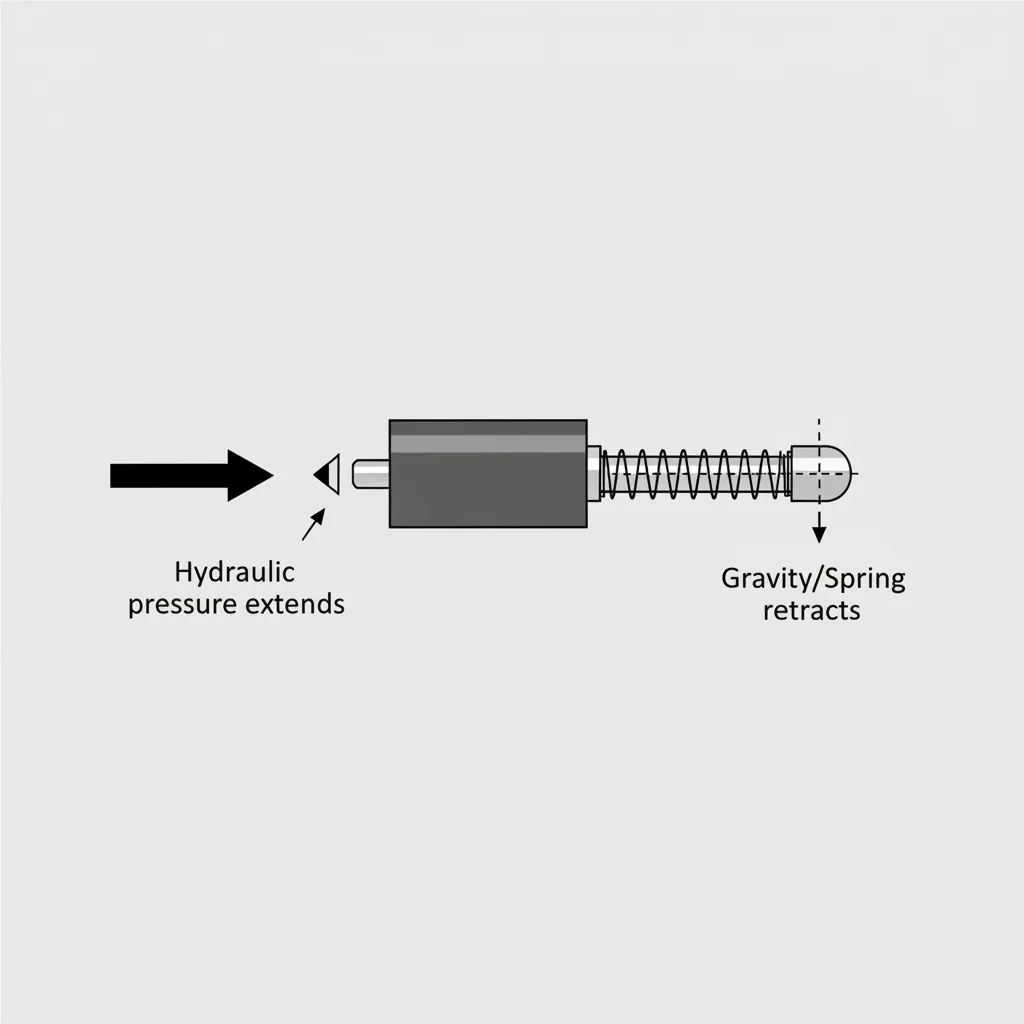
A single acting ram cylinder uses hydraulic pressure in only one direction.
Characteristics
- Hydraulic force for extension only
- Retraction by gravity, spring, or external load
- Lower cost
- Simpler maintenance
Common Applications
- Dump trucks
- Vehicle lifts
- Agricultural trailers
- Press machines
Advantages
✓ Simple structure
✓ Lower manufacturing cost
✓ High reliability
Double Acting Ram Cylinder
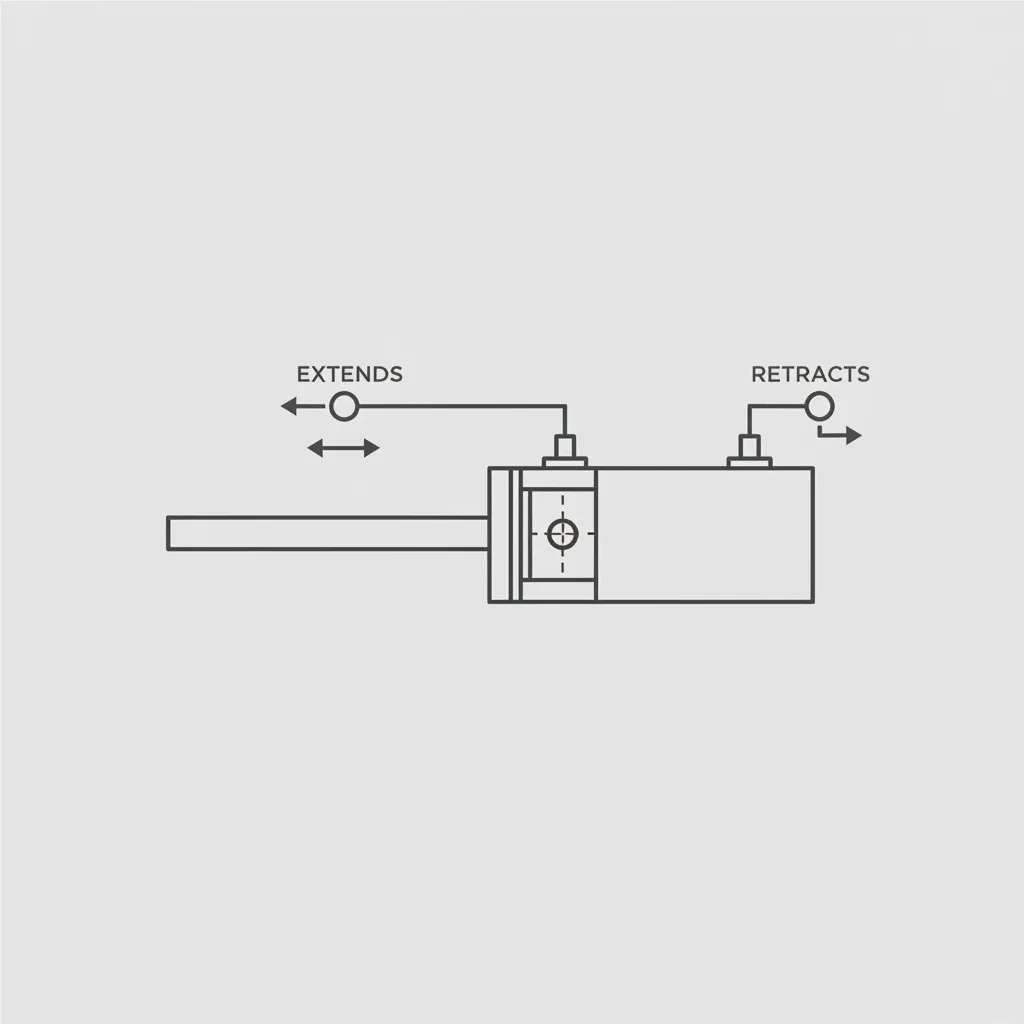
A double acting ram cylinder uses hydraulic pressure for both extension and retraction.
Characteristics
- Controlled movement in both directions
- Higher precision
- Better positioning capability
Common Applications
- Excavators
- Cranes
- Industrial automation equipment
- Marine machinery
Advantages
✓ Greater control
✓ Faster operation
✓ Suitable for complex motion requirements
Telescopic Ram Cylinder
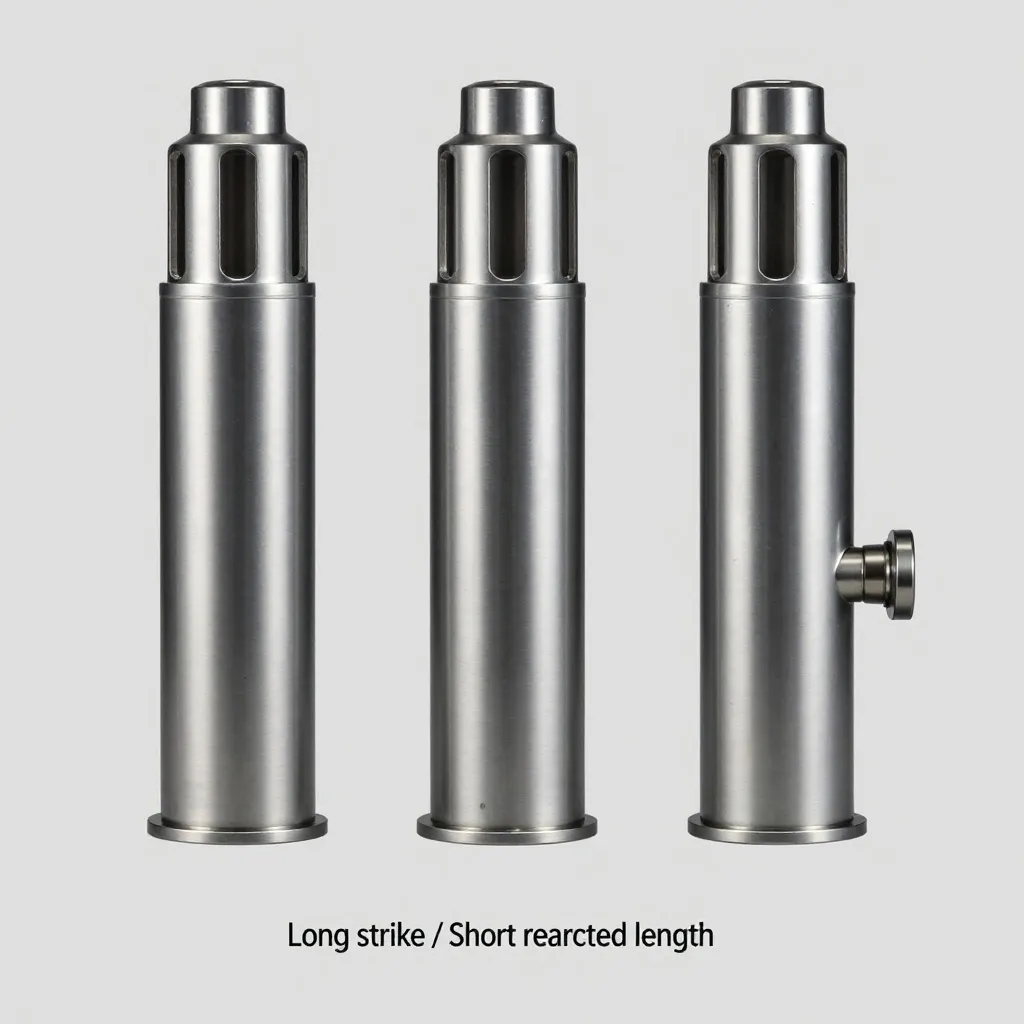
A telescopic ram cylinder consists of multiple nested stages that extend sequentially.
Characteristics
- Long stroke
- Compact installation size
- Multiple extension stages
Common Applications
- Dump trucks
- Refuse vehicles
- Aerial work platforms
- Material handling equipment
Advantages
✓ Extremely long extension range
✓ Space-saving design
✓ High lifting capability
Advantages of Ram Type Hydraulic Cylinders
Compared with conventional cylinders, ram cylinders offer several benefits.
High Force Output
Large piston areas generate significant pushing force.
Simple Construction
Fewer internal components mean easier maintenance.
Excellent Load Capacity
Ideal for supporting heavy vertical loads.
Long Service Life
Robust design withstands harsh environments.
Reliable Operation
Well-suited for continuous industrial use.
What on Earth Are Hydraulic Rams Used For?
Hydraulic ram cylinders can be found in nearly every heavy-duty industry.
Construction Equipment
Applications include:
- Excavators
- Bulldozers
- Wheel loaders
- Cranes
Agriculture Machinery
Used in:
- Tractors
- Harvesters
- Sprayers
- Hydraulic implements
Food Processing Equipment
Provides controlled movement in:
- Packaging machinery
- Material handling systems
Automotive & Marine Industries
Used in:
- Vehicle lifts
- Steering systems
- Ship deck machinery
Mining & Construction
Found in:
- Drilling rigs
- Hydraulic presses
- Rock crushers
- Heavy lifting systems
How to Choose the Right Ram Cylinder
Before selecting a ram cylinder, consider:
Required Force
Calculate the load capacity needed.
Stroke Length
Determine how far the cylinder must travel.
Working Pressure
Verify system pressure compatibility.
Mounting Style
Common options include:
- Clevis mount
- Flange mount
- Trunnion mount
- Foot mount
Environmental Conditions
Consider:
- Dust
- Moisture
- Corrosion
- Extreme temperatures
Maintenance Tips for Hydraulic Ram Cylinders
To maximize cylinder lifespan:
- Inspect seals regularly
- Monitor hydraulic oil cleanliness
- Check for external leakage
- Avoid excessive side loads
- Replace worn components promptly
- Follow scheduled maintenance intervals
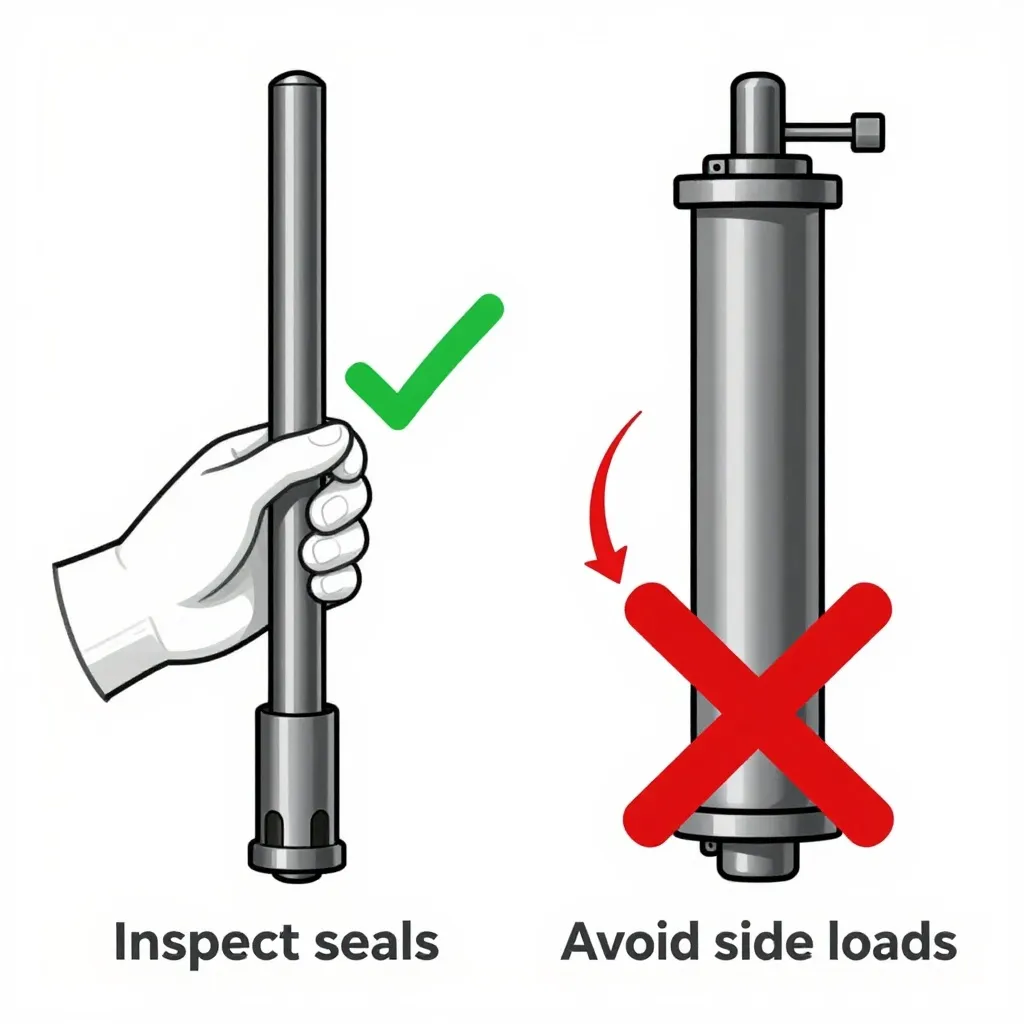
Preventive maintenance can significantly reduce downtime and repair costs.
Frequently Asked Questions (FAQ)
What is the difference between a ram cylinder and a standard hydraulic cylinder?
The primary difference lies in the piston rod size. A ram cylinder has a much larger rod diameter, often exceeding half of the bore area, making it ideal for generating high pushing forces.
Should I choose a single acting or double acting ram cylinder?
Choose a single acting cylinder when gravity or external force can return the load. Choose a double acting cylinder when hydraulic control is required in both directions.
Why can telescopic ram cylinders achieve such long strokes?
Telescopic cylinders contain multiple nested stages that extend sequentially, allowing strokes several times longer than their retracted length.
What is the biggest enemy of a ram cylinder?
Side loading is one of the most common causes of premature failure. Contaminated hydraulic oil can also damage seals and internal surfaces.
How do I know when my ram cylinder needs repair?
Warning signs include:
- Reduced lifting force
- Slow operation
- External oil leakage
- Abnormal noises
- Jerky movement
Are ram cylinders suitable for high-frequency operation?
Generally, no. Applications requiring rapid cycling and precise positioning are often better served by servo hydraulic cylinders.
Can Toleng manufacture custom ram type hydraulic cylinders?
Yes. Toleng Hydraulic provides custom ram cylinder solutions based on customer requirements, including:
- Bore size
- Stroke length
- Mounting configuration
- Operating pressure
- Seal specifications
- OEM and ODM manufacturing
Contact us at info@tolenghydraulics.com for a customized hydraulic cylinder solution.
Conclusion
Ram type hydraulic cylinders are among the most powerful and reliable linear actuators used in modern industry. Their simple structure, high force capability, and durability make them ideal for construction, agriculture, mining, transportation, and industrial applications.
Whether you need a standard single-acting ram cylinder or a fully customized telescopic hydraulic ram, choosing the right manufacturer ensures long-term performance and reliability.
Toleng Hydraulic specializes in manufacturing high-quality hydraulic cylinders for global OEMs and equipment manufacturers, providing custom-engineered solutions backed by strict quality control and competitive pricing.

