
The Ultimate Guide to Tie Rod Hydraulic Cylinders: Design, Benefits, and Selection Tips
A tie rod hydraulic cylinder is a linear actuator that uses external steel tie rods to clamp the cylinder barrel, head, and cap together under pressure. It is one of the most widely used linear actuators in industrial hydraulic systems, known for its modular design, easy maintenance, and standardized dimensions.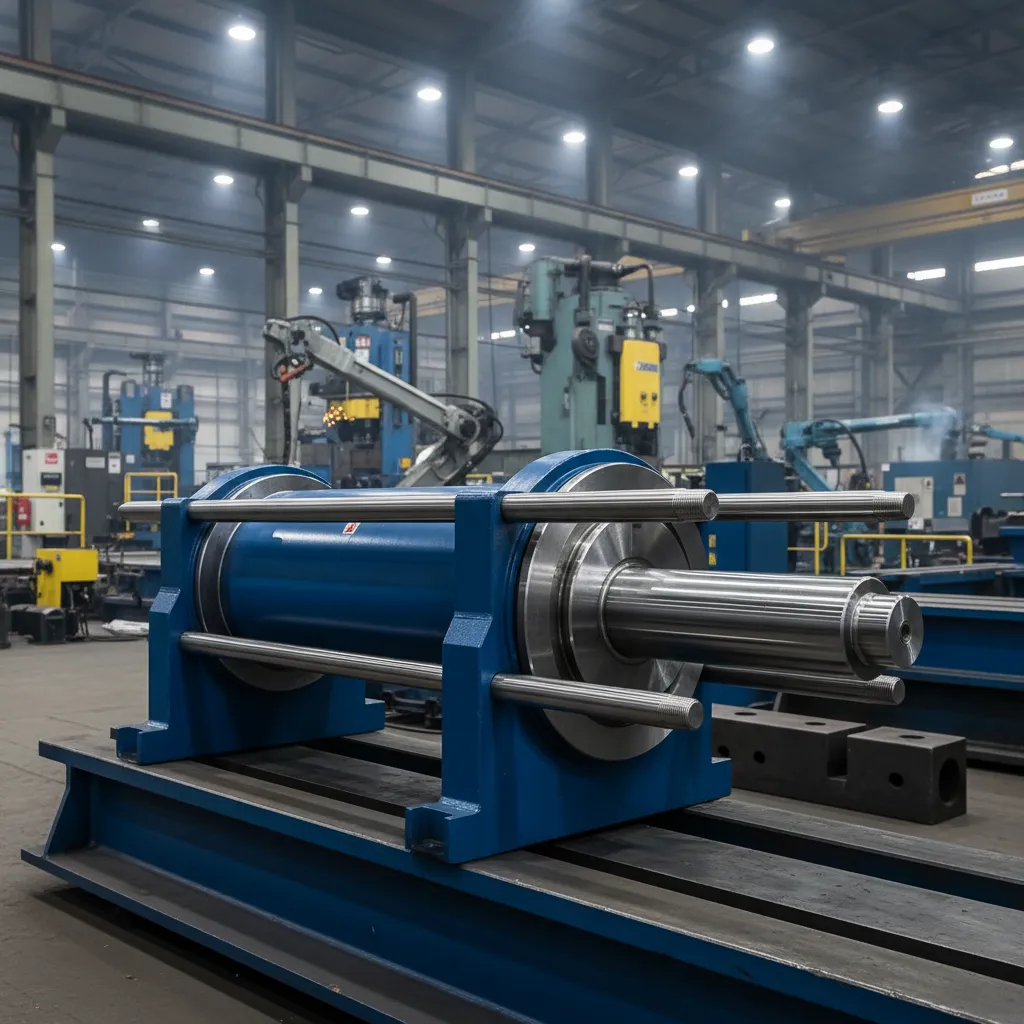
Tie rod cylinders are the preferred choice for manufacturing equipment, agricultural machinery, material handling systems, and factory automation applications. Their rebuildable structure makes maintenance faster and more cost-effective, especially where downtime must be minimized.
Whether you are replacing an existing cylinder, designing a hydraulic system, or comparing tie rod vs welded cylinders, this guide covers everything you need to know.
What is a Tie Rod Hydraulic Cylinder?
A tie rod hydraulic cylinder converts fluid power into linear mechanical force. The cylinder body is secured by multiple steel tie rods running externally along the barrel, following common industry standards such as:
- NFPA Hydraulic Cylinder Standards
- ISO 6020/2 Standards
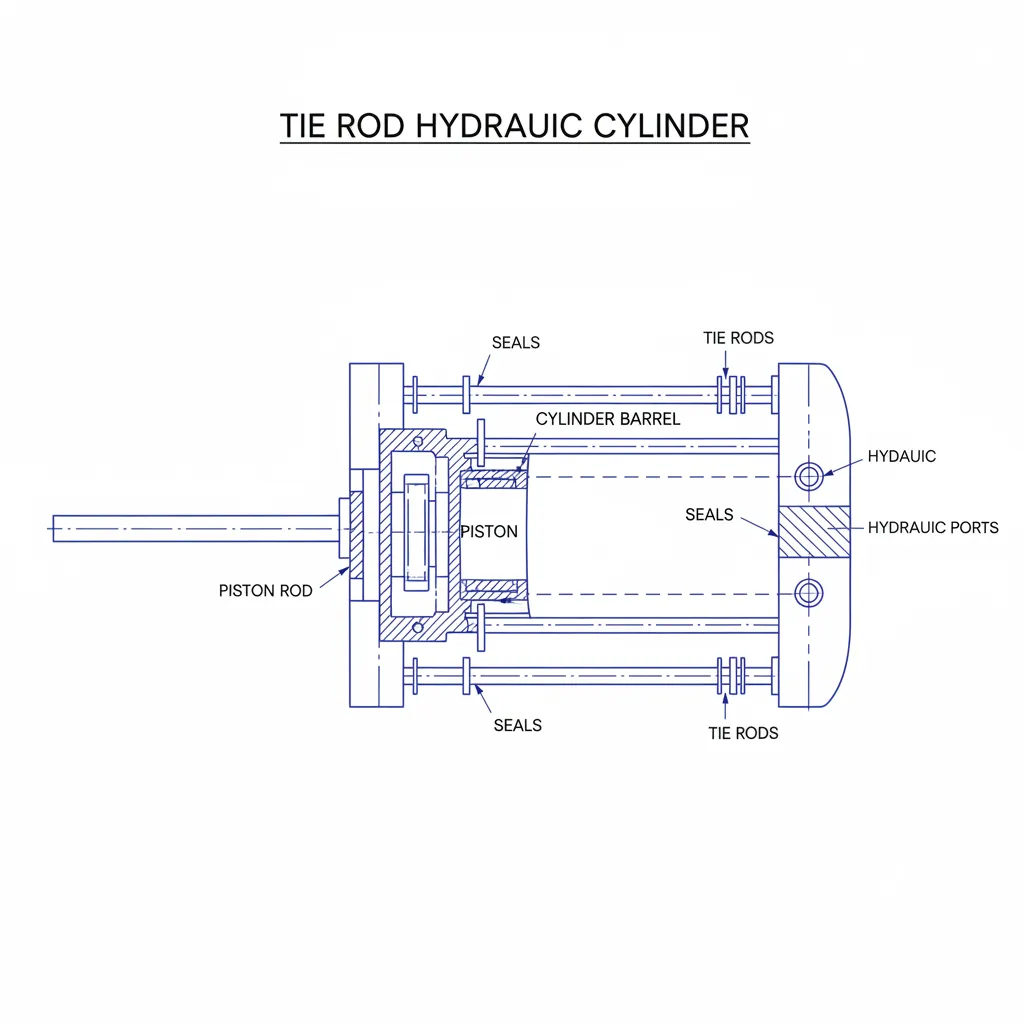
Main Components of a Tie Rod Hydraulic Cylinder
- Cylinder Barrel: The pressure vessel housing the piston assembly.
- Piston Rod: Transfers hydraulic force to the external load.
- Cylinder Head and Cap: Seal both ends and support the piston rod.
- Tie Rods: High-strength steel rods clamping the entire assembly.
- Seals and Bearings: Prevent fluid leakage while guiding rod movement.
How It Works
- Pressurized hydraulic oil enters one side of the cylinder.
- Hydraulic pressure acts on the piston surface.
- The piston moves linearly.
- The piston rod extends or retracts, delivering mechanical force to the load.
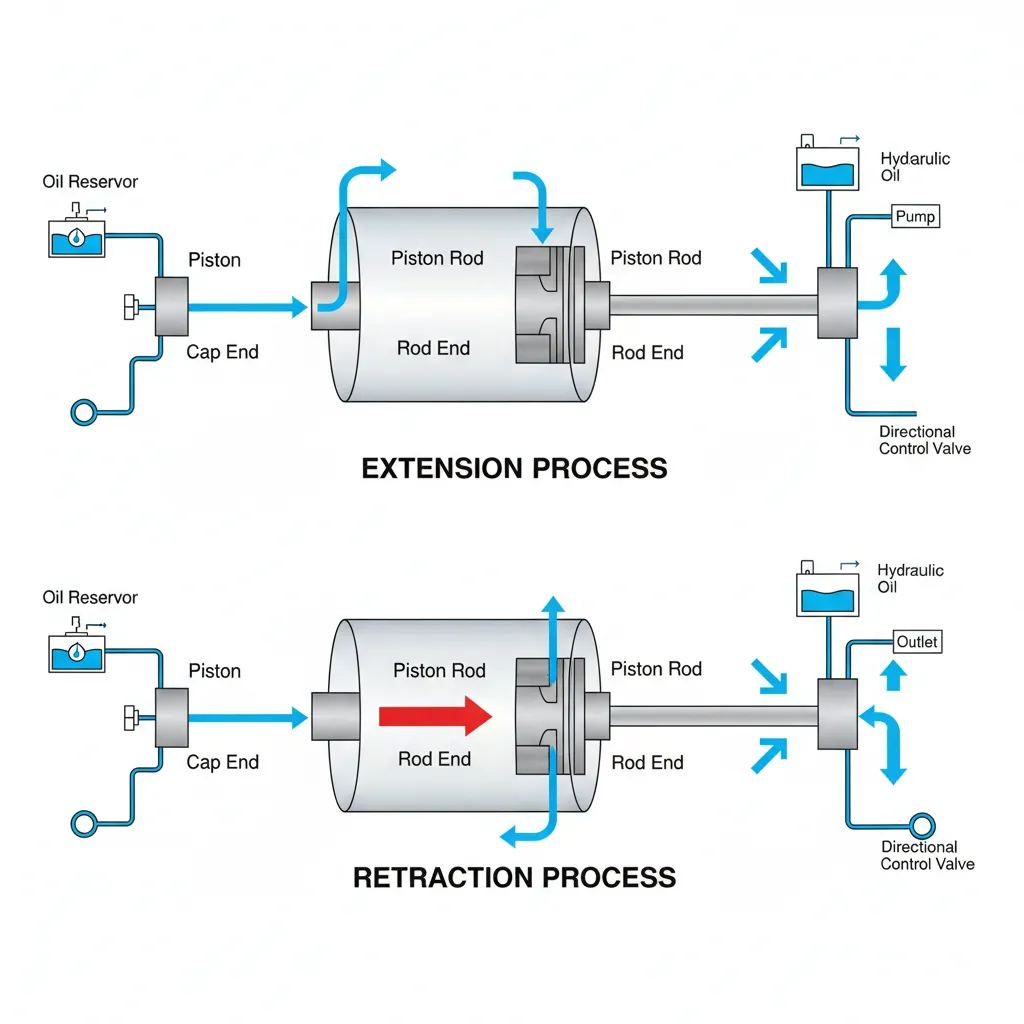
Tie rods maintain structural integrity by resisting internal pressure forces.
Related Search Terms: tie rod cylinder parts diagram, function of tie rods in hydraulic cylinder, hydraulic tie rod cylinder construction
Tie Rod vs. Welded Hydraulic Cylinders: Key Differences
Summary: Tie rod cylinders are easier to rebuild and follow standardized dimensions, while welded cylinders handle higher shock loads and offer greater compactness.
| Feature | Tie Rod Cylinder | Welded Cylinder |
|---|---|---|
| Construction | Bolted with tie rods | Fully welded body |
| Repairability | Easily rebuildable | More difficult to repair |
| Maintenance Cost | Lower | Higher |
| Standardization | NFPA/ISO standard sizes | Often custom dimensions |
| Pressure Capability | Medium to high pressure | Higher pressure applications |
| Lead Time | Shorter | Longer |
| Typical Applications | Industrial machinery | Mobile equipment |
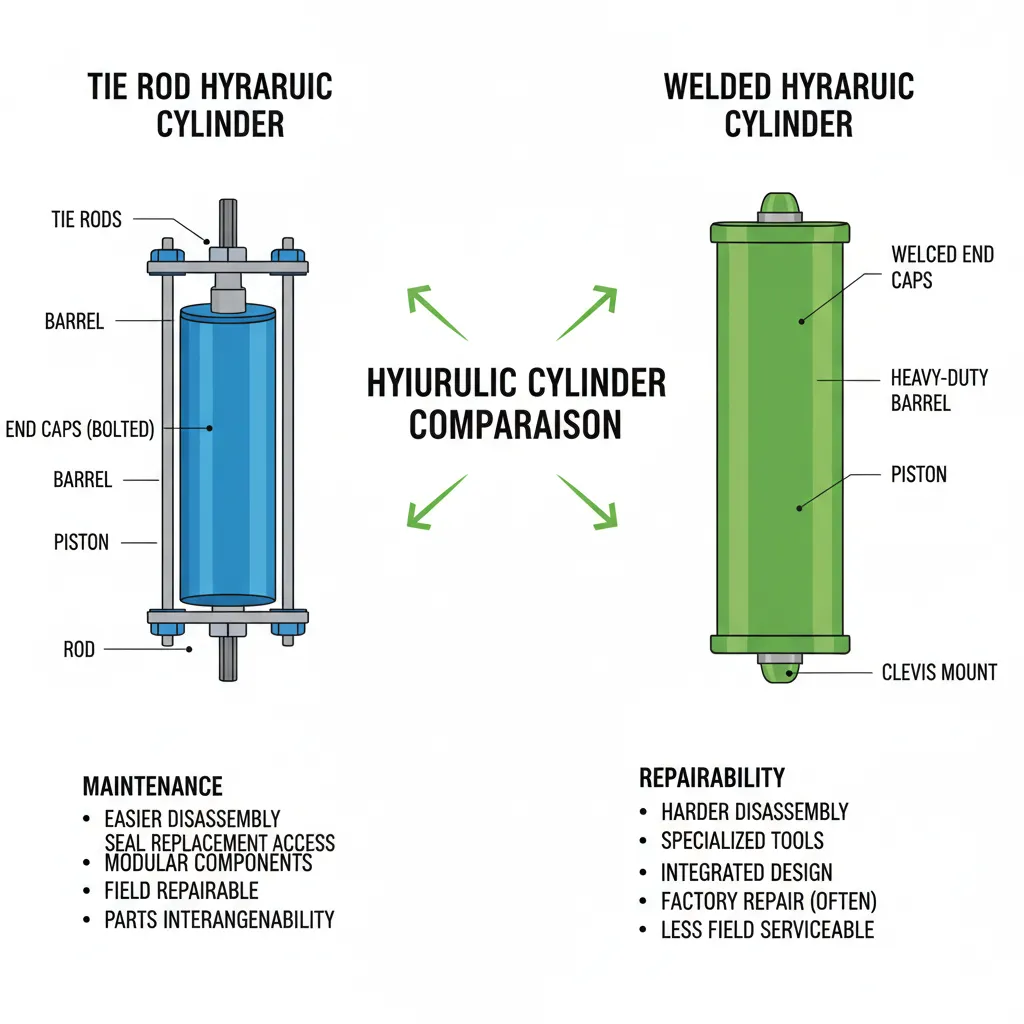
When to Use a Tie Rod Cylinder
- Regular maintenance is expected
- Fast replacement is required
- Standardized mounting dimensions are preferred
- Cost efficiency is important
When to Use a Welded Cylinder
- Heavy construction equipment
- Excavators
- Mining machinery
- High-shock environments
Top 5 Benefits of Using Tie Rod Hydraulic Cylinders
- Easy Field Maintenance: Disassemble by removing tie rods to replace seals, bearings, and pistons quickly.
- Standardized Dimensions: Most NFPA tie rod cylinders are interchangeable with major brands like Parker and Bosch Rexroth.
- Cost-Effective Design: Lower manufacturing and maintenance costs compared to custom welded cylinders.
- Customizable Stroke Lengths: Bore size, rod diameter, stroke, and mounting configuration can be customized.
- Multiple Seal Options: Supports various operating environments (Nitrile, Polyurethane, Viton).
Common Applications of Tie Rod Hydraulic Cylinders
Agriculture
Tractors, balers, harvesters, sprayers — for steering systems, implement lifting, bale compression, and loader attachments.
Industrial Automation
Press machines, conveyor systems, material handling equipment, packaging machinery — providing repeatable positioning and long service life.
Additional Industries
Forklifts, lift tables, waste management equipment, marine machinery, manufacturing systems.
How to Select the Right Tie Rod Hydraulic Cylinder
Need help choosing? Contact our engineering team for assistance.
Step 1 – Determine Bore Size, Rod Diameter, and Stroke
Calculate required force: Force = Pressure × Piston Area
Key specifications: bore diameter, rod diameter, stroke length.
Step 2 – Choose the Right Mounting Style
- MF1 Front Flange
- MF2 Rear Flange
- MP1 Fixed Clevis
- MS2 Side Lug
Step 3 – Select Seal Material
- Nitrile (NBR): Best for standard hydraulic oil
- Polyurethane (PU): Excellent wear resistance
- Viton (FKM): High temperature and aggressive fluids
Step 4 – Verify Pressure Rating
Typical ratings: 1500 PSI, 2000 PSI, 2500 PSI, 3000 PSI. Always select a cylinder with an adequate safety margin.
Tie Rod Hydraulic Cylinder Size Chart | Bore, Rod, Stroke, PressureRatings
Maintenance and Troubleshooting Tips for Tie Rod Cylinders
Common Problem: Rod Seal Leakage
Causes: Seal wear, rod damage, contaminated hydraulic fluid.
Solution: Replace seals, inspect rod surface finish, improve filtration.
Common Problem: Tie Rod Stretch
Symptoms: End-cap leakage, reduced performance.
Solution: Perform periodic tie rod torque inspections.
Preventive Maintenance Checklist
- Inspect seals monthly
- Check tie rod torque
- Monitor fluid contamination
- Inspect rod chrome condition
- Verify mounting alignment
Tie Rod Hydraulic Cylinder Manufacturers & Interchange Guide
Globally recognized brands: Parker Hannifin, Bosch Rexroth, Eaton, Bailey International, Prince Manufacturing.
Interchange Replacement Solutions
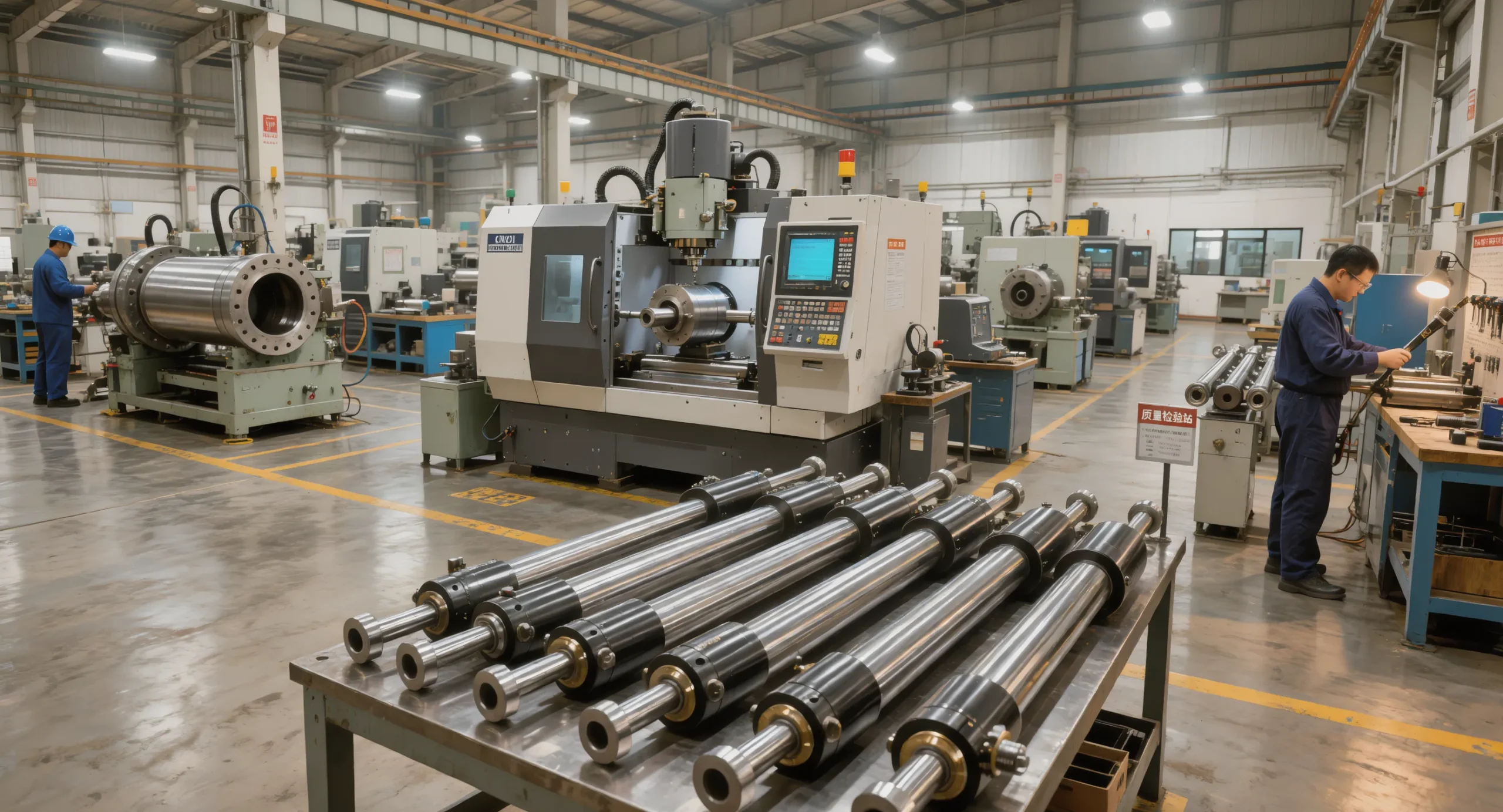
Toleng Hydraulic manufactures replacement tie rod cylinders compatible with many industry-standard models. Custom options include:
- OEM replacement cylinders
- NFPA-standard cylinders
- Custom stroke configurations
- Special seal packages
- Private label manufacturing
Request a quote for replacement tie rod cylinders →
Frequently Asked Questions
Can tie rod cylinders be used in high-pressure applications?
How do I measure a tie rod cylinder for replacement?
Are tie rod cylinders rebuildable?
What is the difference between a tie rod cylinder and a welded cylinder?
Conclusion
Tie rod hydraulic cylinders remain one of the most practical and cost-effective solutions for industrial and agricultural hydraulic systems. Their standardized design, ease of maintenance, rebuildable construction, and broad interchangeability make them ideal for applications requiring reliability and long-term serviceability.
Request a Quote
Looking for a reliable tie rod hydraulic cylinder manufacturer?
Toleng Hydraulic provides OEM and custom hydraulic cylinders with competitive pricing, fast lead times, and global shipping support.
Contact us today for a quotation, cross-reference assistance, or a free tie rod cylinder dimension catalog.

