
Hydraulic cylinders are the backbone of heavy equipment — from construction machinery and agricultural equipment to industrial manufacturing systems. While they may appear simple, their production requires precision machining, expert welding, rigorous testing, and strict quality control.
This guide walks you through every stage of hydraulic cylinder manufacturing — from raw material inspection to final testing — so you can understand what goes into a cylinder you can depend on.
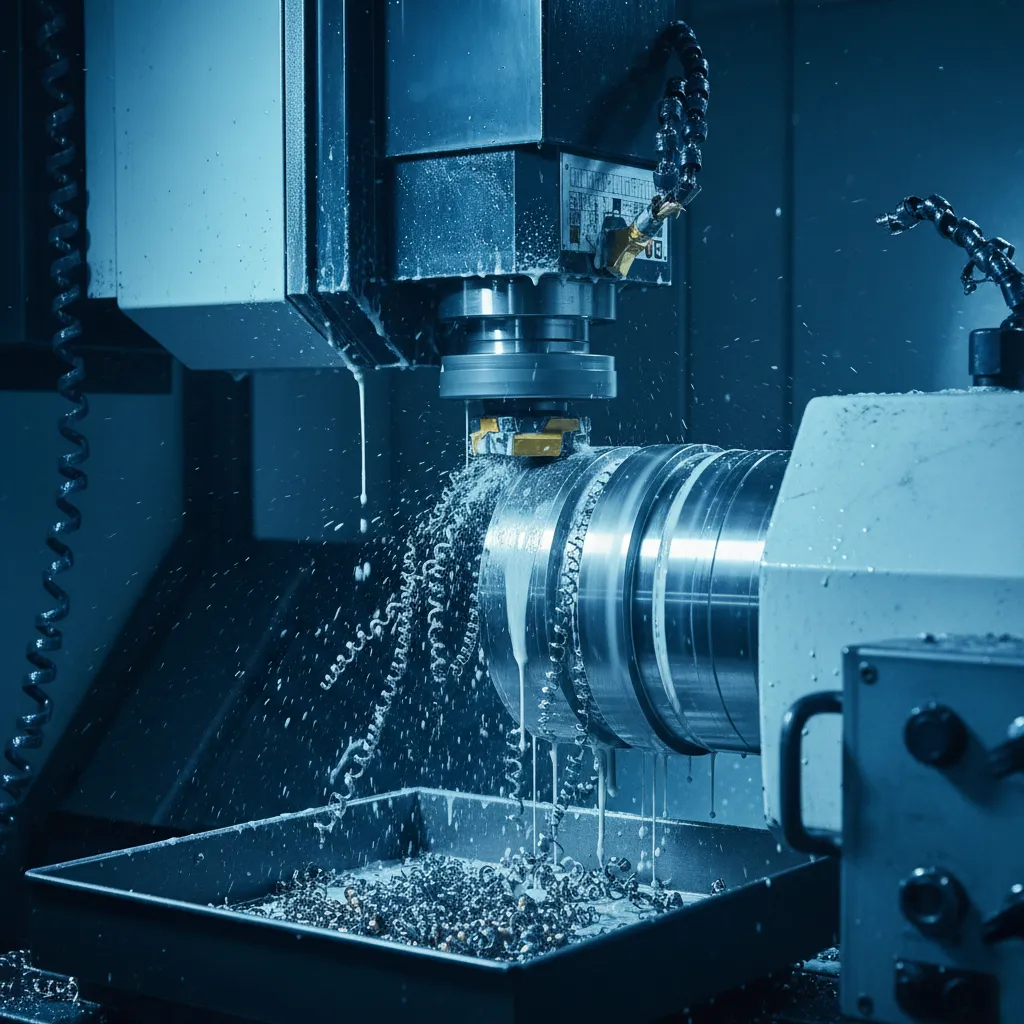
What Does It Take to Build a Reliable Hydraulic Cylinder?
Precision engineering, advanced equipment, skilled technicians, and strict quality control — all working together to deliver cylinders you can depend on.
The Manufacturing Process — 7 Steps to a Reliable Cylinder
1. Raw Material Inspection
The process begins with raw steel — tubes, rods, and components — arriving at the manufacturing facility. Every batch undergoes incoming quality inspection, including material certification verification and dimensional testing.
At Toleng: Every batch of steel is verified with material certifications before entering production. Even a small defect in raw material can weaken a cylinder’s performance under high pressure.
2. Precision Machining (CNC)
After inspection, raw materials move to CNC machining stations. Here, components are lathed, milled, and drilled into precision parts — tubes, rods, pistons, and end caps.
At Toleng: Our CNC machining centers maintain tight dimensional tolerances to ensure accurate bore finishes, reliable seal performance, and consistent cylinder quality across every production batch.
3. Robotic Welding
Machined components move to welding stations where they are assembled into the cylinder body. Robotic welding systems create strong, durable joints capable of withstanding extreme pressures.
At Toleng: Our robotic welding stations deliver stable, repeatable weld quality. Every weld is inspected for dimensional accuracy and structural integrity — flawless welding is critical for maintaining performance under forces of several thousand PSI.
4. Assembly
Once all components are complete, the cylinder is assembled by skilled technicians. Seals are installed with precision to prevent leaks, components are lubricated, and all bolts and ports are torqued to exact specifications.
At Toleng: Assembly teams work alongside QC inspectors for real-time quality checks at every station. We use premium seals from HALLITE, ASTON, NOK, DZ, and other world-class brands.
5. 100% Pressure Testing
Every cylinder undergoes rigorous testing before shipment — typically at 1.5 times operating capacity.
At Toleng: 100% pressure testing ensures every cylinder performs reliably when it reaches your equipment. We test for structural integrity, seal integrity, and smooth operation across the full stroke.
6. Coating & Finishing
After passing all tests, cylinders receive corrosion-resistant coating through automated painting lines, followed by final inspection.
At Toleng: Our 4 automated paint-spraying lines provide durable corrosion protection. Professional packing ensures cylinders arrive safely anywhere in the world.
7. Final Inspection & Shipping
Every cylinder receives a final quality check before being packed and shipped to customers worldwide.
At Toleng: Our shipping team ensures cylinders are properly documented, packed for export, and delivered on time to OEMs in over 40 countries.
Advanced Manufacturing Technologies
Toleng combines advanced equipment with skilled people to deliver superior cylinder quality.
- CNC Machining — High dimensional accuracy for consistent bore finishes and reliable seal performance.
- Robotic Welding — Stable, repeatable weld quality for heavy-duty applications and long service life.
- Automated Painting — Corrosion-resistant coating through 4 automated paint-spraying lines.
- 100% Pressure Testing — Every cylinder tested before shipment — ensuring reliable performance in the field.
Quality Control Throughout Manufacturing
Quality is embedded in every stage of our manufacturing process, from incoming materials to final inspection.
- Incoming Material — Verification of material certifications and dimensional checks
- CNC Inspection — Dimensional verification of all machined components
- Welding Inspection — Structural integrity and dimensional accuracy checks
- Assembly Check — Seal fit, torque verification, and contamination control
- 100% Pressure Test — Every cylinder, every order, at 1.5 times operating capacity
- Final Inspection — Complete visual and functional inspection before packaging
Why Manufacturing Quality Matters
Small imperfections in manufacturing can lead to major failures in the field. Here’s what quality control prevents.
- Tube Not Round — Reduced seal life → Premature leakage → Equipment downtime
- Rod Not Straight — Uneven wear → Seal damage → Oil leaks and contamination
- Poor Welding — Structural weakness → Cylinder failure → Safety hazard
- Inadequate Testing — Undetected issues → Field failure → Expensive repairs
Every Toleng cylinder is pressure tested before shipment — ensuring it performs reliably when it reaches your equipment. We don’t rely on random sampling. We test every single cylinder.
Frequently Asked Questions
1. How long does it take to manufacture a hydraulic cylinder?
Lead time varies by cylinder type, complexity, and order quantity. Standard cylinders typically ship within 2–4 weeks, while custom OEM designs may require 4–8 weeks. Contact our team for a specific timeline based on your requirements.
2. What steel is used in hydraulic cylinder manufacturing?
Toleng uses premium heavy-wall steel tubing for cylinder bodies, combined with high-quality alloy steel for piston rods. All materials are verified with certifications before production to ensure consistent quality.
3. Why is honing important in cylinder manufacturing?
CNC (Computer Numerical Control) machining ensures that every component — including cylinder tubes, pistons, rods, and end caps — is manufactured with consistent dimensional accuracy. Unlike manual machining, CNC eliminates human error and maintains tight tolerances across every production batch, which is essential for proper seal fit, smooth operation, and long cylinder life.
At Toleng: Our CNC machining centers maintain tight dimensional tolerances to ensure accurate bore finishes, reliable seal performance, and consistent cylinder quality across every production batch. With over 100 sets of processing equipment, we have the capacity to handle both standard and custom cylinder requirements with precision.
4. How are hydraulic cylinders pressure tested?
At Toleng, every cylinder undergoes pressure testing at 1.5 times its rated operating capacity. This includes structural integrity testing, leak testing to verify seal performance, and functional testing to ensure smooth operation across the full stroke.
5. Why is CNC machining critical in hydraulic cylinder manufacturing?
Robotic welding uses automated systems to weld cylinder components with consistent, repeatable quality. Unlike manual welding, robotic welding eliminates variation between welds, ensuring every cylinder meets the same structural standards.
6. Can hydraulic cylinders be customized during manufacturing?
Yes. Toleng specializes in custom hydraulic cylinder design and manufacturing. We can customize bore size, rod diameter, stroke length, mounting styles, seals, materials, and more based on your specifications.
7. How do manufacturers ensure consistent quality across large production runs?
Consistent quality requires standardized processes, in-process inspections, and 100% testing. At Toleng, we use ISO9001 quality systems, CNC machining for repeatable precision, robotic welding for consistent joints, and 100% pressure testing on every cylinder.
8. What quality standards do Toleng cylinders follow?
Toleng operates under ISO 9001 and ISO 14001 quality management systems. Our cylinders comply with international standards and are available with various certifications upon request, including CE where applicable.

