
Best Hydraulic Cylinders for Construction Equipment 2026
When I first started inspecting hydraulic cylinders for heavy construction equipment, I quickly realized not all cylinders are created equal. I’ve seen brand-new machines sidelined within weeks because of premature seal failure, rod damage, or slow leaks. A minor cylinder issue can halt operations, delay projects, and rack up maintenance costs faster than most equipment owners anticipate. For engineers, maintenance teams, and procurement managers, understanding how to identify truly high-quality hydraulic cylinders is no longer optionalit’s essential.
In this guide, I’ll walk you through the key factors that determine cylinder durability and performance, sharing practical inspection tips that can save time, money, and headaches on the job site. Whether you’re managing excavators, forklifts, agricultural machinery, or industrial automation equipment, knowing what to look for can make all the difference.
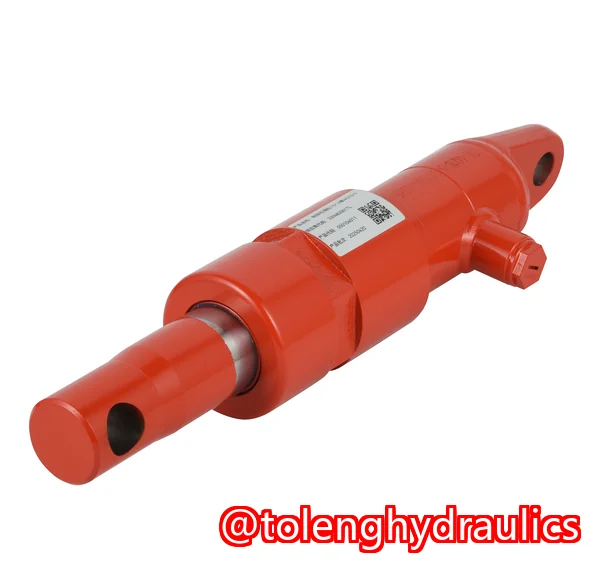
Common Pain Points in Hydraulic Cylinder Selection
1. Appearance Doesn’t Always Reflect Quality
Many buyers are fooled by a shiny exterior or brand labeling, assuming the cylinder is reliable. Unfortunately, low-cost or poorly manufactured cylinders can look flawless on the outside while harboring defects inside the tube or on the rod surface. This often leads to premature seal wear, leaks, and uneven cylinder movement under load.
2. Confusion Over Seal Materials and Rod Finishes
Seals are the heart of a cylinder. I’ve seen maintenance teams replace seals multiple times within months because the wrong material was used for the application. Similarly, piston rod finishes vary widelyan improperly hardened or poorly plated rod will scratch seals and accelerate failure.
3. Inconsistent Bore and Rod Finishes
Internal bore roughness or variations in rod diameter may seem minor, but they significantly affect cylinder performance. Even slight imperfections can cause seal extrusion, leakage, and uneven piston motion, reducing operational efficiency and cylinder life.
Toleng Hydraulics: Your Reference for Quality Inspection
Toleng hydraulics provides a detailed guide and inspection tool that helps engineers, maintenance professionals, and equipment buyers evaluate cylinder quality at a glance. The guide covers cylinder types, materials, seals, rod finishes, bore sizes, and mounting integrity. Using it as a reference, I’ve learned how to distinguish high-quality cylinders from unreliable alternatives, avoiding unnecessary downtime and replacement costs.
How to Inspect Hydraulic Cylinder Quality
Here’s a step-by-step approach I follow whenever evaluating cylinders for heavy equipment:
1. Cylinder Tube and Bore Inspection
-
Check material quality: High-grade steel or alloy tubes resist wear and deformation under pressure. Avoid cylinders with thin-walled or low-grade tubing.
-
Examine the internal bore finish: Run your fingers lightly or use inspection tools to feel for smoothness. The bore should be uniform, with minimal roughness to prevent premature seal wear.
-
Look for consistent diameter: Measure bore diameter at multiple points along the cylinder to detect tapering or out-of-round conditions.
2. Piston Rod Quality
-
Assess rod hardness: High-quality rods are hardened to resist bending and scratching. A simple hardness test can reveal inconsistencies.
-
Evaluate chrome plating thickness: Properly plated rods protect against corrosion and reduce seal friction. A thin or uneven coating can lead to early failures.
-
Inspect surface finish: The rod should be mirror-smooth. Even small pits, scratches, or waviness can tear seals and cause leakage.
-
Check straightness: Roll the rod on a flat surface; any wobble indicates misalignment, which leads to binding and uneven wear.
3. Seal Selection and Inspection
-
Identify seal types: Choose seals based on applicationstandard rubber, polyurethane, or specialty high-temperature materials.
-
Check for proper installation: Misaligned seals can fail quickly. Look for evidence of extrusion or uneven compression.
-
Verify compatibility with rod and bore finishes: High-quality seals paired with appropriate rod finishes extend service life dramatically.
4. Cylinder Ends and Welds
-
Inspect weld quality: Cracks, undercuts, or inconsistent weld beads reduce cylinder strength.
-
Examine mount points: Poorly welded or machined end caps can fail under load. Confirm that threads, pins, and brackets are robust.
-
Confirm dimensional accuracy: Check overall length, stroke, and mounting center-to-center measurements to ensure a precise fit in your equipment.
5. Ports, Threads, and Fittings
-
Check port threads: Poor threading leads to leaks or fitting failures.
-
Evaluate fitting quality: Ensure that hose connections and fittings are solid and compatible with the cylinder pressure rating.
-
Inspect for burrs or sharp edges: These can damage hoses or seals during operation.
Practical Tips for Field Verification
Here are some hands-on tips I’ve used in workshops and job sites:
-
Measuring bore and rod diameters: Use calipers at multiple points to check for uniformity. Note any deviations.
-
Visual rod inspection: Shine a bright light along the rod to detect scratches, pits, or plating inconsistencies.
-
Seal condition check: Push lightly on sealsif they feel brittle, cracked, or soft in spots, they’re unsuitable.
-
Stroke test: Extend and retract the rod to detect smooth motion or binding. Uneven travel may indicate misalignment or internal defects.
-
Mounting verification: Attach the cylinder temporarily to ensure pins, brackets, and mounts align correctly.
Benefits of Proper Cylinder Evaluation
By carefully inspecting hydraulic cylinders before purchase or installation, I’ve consistently avoided:
-
Costly downtime: Machines stay operational, reducing project delays.
-
Premature failures: Correct rod and seal selection extends cylinder life.
-
Excessive maintenance costs: Identifying issues early prevents repeated repairs.
-
Safety risks: Reliable cylinders reduce the chance of catastrophic hydraulic failures.
Real-World Examples
On a recent project involving excavators and loader attachments, we received a batch of cylinders that looked perfect externally but had minor rod imperfections. Without inspection, these would have caused seal damage and slow leaks within weeks. Using the Toleng inspection guide, we identified the flaws before installation, swapped them for properly finished cylinders, and avoided unplanned downtime.
Similarly, in agricultural machinery, uneven bore finishes in low-cost cylinders caused pistons to stick under load. Inspections revealed the problem, and selecting high-grade Toleng cylinders resolved the issue, ensuring smooth and reliable operation throughout the harvesting season.
Conclusion
Selecting the right hydraulic cylinder is more than checking the label or trusting brand appearances. By carefully inspecting tube materials, bore finishes, rod quality, seals, welds, and mounting integrity, I’ve been able to ensure reliable performance and long service life in a wide range of equipment. I highly recommend following these inspection guidelines to make informed purchases and avoid costly failures.
Browse our selection of high-quality hydraulic cylinders here: 🔗 Toleng Hydraulics
Download our complete hydraulic cylinder inspection checklist today to make every purchase a smart investment.
Frequently Asked Questions
Q1: How can I tell if a hydraulic cylinder has quality seals?
A1: Inspect the seal material, check for uniform installation, and confirm compatibility with the rod and bore finish. High-quality seals should feel firm but flexible, without cracks or soft spots.
Q2: What rod surface finish is best for long seal life?
A2: A smooth, mirror-like chrome plating with uniform hardness is ideal. Avoid rods with pits, scratches, or uneven plating, which accelerate seal wear.
Q3: How do I measure bore size and stroke length correctly?
A3: Use a calibrated caliper or bore gauge to measure diameter at multiple points. Stroke length can be measured by fully extending and retracting the rod, confirming the distance between rod fully retracted and extended.
Q4: What are the signs of a poorly manufactured cylinder?
A4: Watch for uneven bore finish, scratches on the rod, misaligned mounts, weak welds, or poor-quality seals. Any of these can indicate premature failure risks.
Q5: Which cylinder mounting styles are strongest?
A5: Welded end mounts or heavy-duty trunnion mounts typically offer higher durability compared to light or poorly welded flange mounts.
Q6: How do I choose between welded and tie-rod cylinders?
A6: Welded cylinders are stronger and more compact, ideal for high-pressure construction equipment. Tie-rod cylinders are easier to service but may be bulkier and less durable under extreme loads.
Q7: What chrome plating thickness should I look for on rods?
A7: Aim for 0.50.8 mm plating with uniform application. Thinner plating risks corrosion and wear, while uneven plating damages seals quickly.
Keywords / Tags:
hydraulic cylinder quality, cylinder seals, rod finish, bore size, hydraulic cylinder maintenance, cylinder inspection, welded hydraulic cylinder, tie-rod cylinder, hydraulic cylinder buying guide, cylinder failure prevention, hydraulic cylinder materials, hydraulic cylinder inspection, cylinder quality control, hydraulic seal types, cylinder bore finish, rod chrome plating

