
How to Calculate Hydraulic Cylinder Force and Speed
When I first started sourcing hydraulic cylinders for heavy construction equipment, I quickly realized not all cylinders are created equal. Premature seal failure, rod damage, or slow response times can bring an entire operation to a standstill. Even a minor leak or rod scratch can turn routine maintenance into a costly downtime event. Over the years, I’ve learned that understanding hydraulic cylinder force, speed, and quality indicators is essential for reliable performance, whether you’re operating a bulldozer, agricultural harvester, or industrial press.
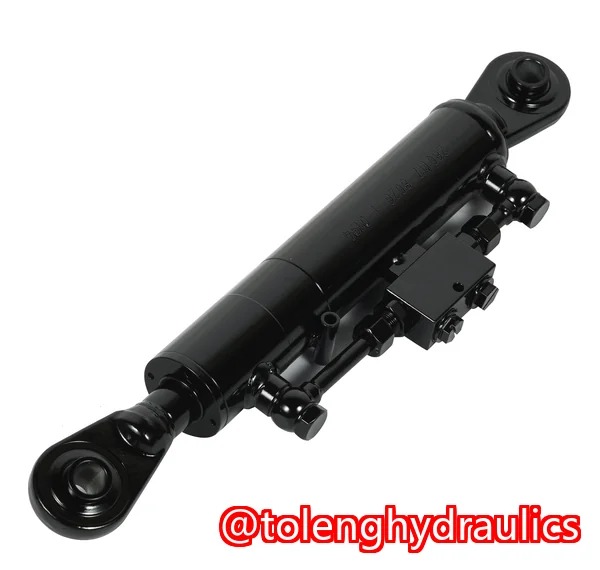
Evaluating hydraulic cylinders goes beyond checking appearance. You need to know how to measure bore size, inspect seals, assess rod finishes, and verify cylinder mounting integrity. In this guide, I’ll walk you through practical methods to identify high-quality cylinders, avoid common pitfalls, and ensure long-term reliability for your equipment.
Common Challenges When Choosing Hydraulic Cylinders
Even experienced maintenance engineers and procurement specialists face the same frustrations when evaluating cylinders:
1. Appearance Can Be Misleading
A polished rod or shiny cylinder tube doesn’t guarantee quality. Some manufacturers may hide poor materials or substandard internal finishes behind a flawless exterior. Without inspecting the internal bore or rod hardness, it’s impossible to predict service life.
2. Seal Materials and Rod Surface Finish Are Often Unclear
Hydraulic seals wear quickly if paired with improper rod finishes or low-quality materials. I’ve seen cases where seals failed within weeks because the rod chrome plating was too thin or the surface was rough, causing scratches.
3. Inconsistent Bore and Tube Finishes
Even small variations in bore smoothness can accelerate piston seal wear. A cylinder that seems perfect on the outside may have internal defects that reduce efficiency and cause fluid leaks under high pressure.
Recognizing these pain points is the first step in avoiding costly downtime and unnecessary replacements.
Inspecting Hydraulic Cylinders with Confidence
When I evaluate cylinders for industrial, agricultural, or construction applications, I rely on a structured inspection approach. Toleng hydraulics provides an excellent framework for assessing true cylinder quality, and here’s how I apply it:
Check Cylinder Tube Material and Internal Bore Finish
-
Look for high-grade steel or alloy tubes with a smooth, honed bore.
-
Run your finger lightly across the bore (with gloves) to feel for irregularities or rough spots.
-
Cylinders with poor bore finish often lead to premature seal wear and internal leakage.
Inspect the Piston Rod
-
Confirm rod hardness and proper chrome plating thickness (typically 2025 microns for industrial use).
-
Examine the rod surface finish: it should be smooth with no scratches, pits, or uneven plating.
-
Use a straightedge to check rod straightness. Even slight bends can affect seal life and cylinder alignment.
Evaluate Seal Type and Material
-
Determine the right seal for your applicationNitrile, Polyurethane, or Viton seals are common, each suited for different pressures, temperatures, and fluids.
-
Ensure seals are correctly installed, with no twists or gaps. Poor installation accelerates leaks.
-
Inspect wiper seals, which prevent dirt ingress, particularly in agricultural or construction environments.
Verify Weld Quality on Cylinder Ends and Mounts
-
Welds should be smooth, uniform, and free of cracks or porosity.
-
Check for consistent penetration and reinforcement. Weak welds can fail under load, especially in heavy machinery.
Measuring Bore Size and Stroke
Understanding a cylinder’s dimensions is critical for calculating force and speed. Here’s how I measure them reliably:
-
Bore Size: Use calipers to measure internal diameter at multiple points along the cylinder. Variations indicate poor manufacturing.
-
Rod Diameter: Measure at several points to ensure uniform thickness. A thinner rod than specified can bend under load.
-
Stroke Length: Fully extend and retract the rod to confirm it matches manufacturer specs. Inconsistent stroke reduces lifting capacity and may damage seals.
These measurements allow you to calculate hydraulic cylinder force using the formula:
Force = Pressure Piston Area
Where the piston area is determined by the bore diameter. This is crucial for selecting cylinders that can handle your equipment’s operational demands without failure.
For speed calculations, the formula is:
Speed = Flow Rate / Piston Area
Accurate measurements prevent undersized cylinders that move too slowly or oversized units that overload pumps.
Practical Tips for Long-Lasting Cylinders
Over the years, I’ve developed a few reliable habits when inspecting or maintaining cylinders:
-
Always check rod surface finish and feel for imperfections. A micro-scratch can cause immediate seal failure.
-
Inspect port threads and fittingscross-threaded or poorly machined ports lead to leaks.
-
Look for uneven wear patterns inside the bore, which indicate misalignment or debris ingress.
-
Confirm that mounting points are robust and compatible with your equipment. Pivot or flange mounts must handle the applied loads.
These small inspections upfront save major headaches later, extending cylinder life and keeping machinery operational.
Benefits of Proper Cylinder Selection
When I follow this inspection checklist, the results are clear:
-
Reduced Downtime: Fewer unexpected failures mean projects stay on schedule.
-
Extended Service Life: Properly matched cylinders endure longer under demanding conditions.
-
Lower Maintenance Costs: Early detection of poor-quality components prevents expensive repairs.
-
Enhanced Safety: High-quality cylinders minimize risk of catastrophic failures.
Investing a few minutes in cylinder evaluation before purchase pays dividends in reliability and cost savings.
My Recommended Inspection Workflow
-
Verify cylinder tube material and bore finish.
-
Measure rod diameter, check straightness, and examine chrome plating.
-
Inspect seals for proper material, fit, and condition.
-
Assess welds and mounting points for structural integrity.
-
Measure bore, stroke, and rod dimensions accurately.
-
Test port threads and fittings for precision and tightness.
Following these steps ensures that every hydraulic cylinder you purchase meets operational expectations.
Conclusion
High-quality hydraulic cylinders are the backbone of reliable heavy equipment operation. By carefully inspecting the cylinder tube, rod, seals, bore finish, and mounts, you can prevent premature failures, reduce downtime, and save on maintenance costs. I highly recommend following these inspection guidelines to ensure any hydraulic cylinder purchase delivers long-term reliability and performance.
Browse our selection of high-quality hydraulic cylinders: 🔗 https://tolenghydraulics.com/contact/
Download our complete hydraulic cylinder inspection checklist today to make informed purchasing decisions.
Frequently Asked Questions
Q: How can I tell if a hydraulic cylinder has quality seals?
A: Check the material, installation, and fit. High-quality seals are free from twists, gaps, or cracks and match your fluid, pressure, and temperature requirements.
Q: What rod surface finish is best for long seal life?
A: A smooth, polished finish of around 0.20.4 microns Ra with uniform chrome plating ensures minimal wear on seals.
Q: How do I measure bore size and stroke length correctly?
A: Use precision calipers for bore diameter at multiple points, and fully extend/retract the rod to verify stroke length against manufacturer specs.
Q: What are the signs of a poorly manufactured cylinder?
A: Visible scratches, inconsistent bore finish, uneven rod diameter, substandard welds, and poor seal fit are red flags.
Q: Which cylinder mounting styles are strongest?
A: Pivot mounts and flange mounts are generally strongest for heavy-duty applications; ensure the welds or bolts meet load specifications.
Q: How do I choose between welded and tie-rod cylinders?
A: Welded cylinders are more robust and compact, ideal for high-pressure environments, while tie-rod cylinders are easier to disassemble for maintenance.
Q: What chrome plating thickness should I look for on rods?
A: Typically, 2025 microns (0.81.0 mils) is sufficient for industrial use; thicker plating offers added corrosion and wear resistance.
Keywords/Tags:
hydraulic cylinder quality, cylinder seals, rod finish, bore size, hydraulic cylinder maintenance, cylinder inspection, welded hydraulic cylinder, tie-rod cylinder, hydraulic cylinder buying guide, cylinder failure prevention, hydraulic cylinder materials, hydraulic cylinder inspection

