
Common Hydraulic Cylinder Failures and How to Prevent Them
Learn how to identify high-quality hydraulic cylinders, inspect seals, rod finish, and bore size, and prevent costly hydraulic cylinder failures before they happen.
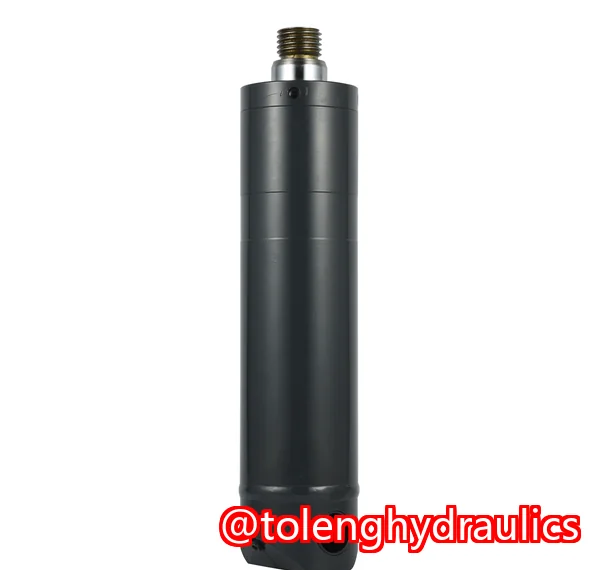
When purchasing hydraulic cylinders for heavy equipment, I’ve learned that not all cylinders are built to last. Premature seal failure, rod damage, and leaks can bring operations to a halt faster than most people expect.
I’ve seen construction crews stop mid-project because a boom cylinder began leaking oil. I’ve watched agricultural equipment sit idle during peak harvest because a rod bent under load. And in industrial facilities, a single failing hydraulic cylinder can slow an entire production line.
The frustrating part? Many of these failures could have been prevented with a proper hydraulic cylinder inspection before purchase or installation.
Whether you manage construction equipment, maintain agricultural machinery, or handle procurement for industrial automation systems, understanding hydraulic cylinder quality can save enormous amounts of time, money, and downtime. Over the years, I’ve developed a simple approach to evaluating cylinder qualityone that focuses on real-world reliability rather than just appearance.
In this guide, I’ll walk through the most common hydraulic cylinder failures, what causes them, and practical steps you can take to prevent them. I’ll also share inspection tips that maintenance teams and equipment buyers can apply immediately.
Why Hydraulic Cylinder Failures Are More Common Than You Think
Hydraulic cylinders are often viewed as simple components. They move equipment. They extend and retract. And as long as they hold pressure, they seem fine.
But inside every cylinder is a complex system of seals, machined surfaces, and pressure-bearing materials. If even one part of that system is poorly manufactured or improperly selected, failure can occur much sooner than expected.
In my experience, most failures fall into three broad categories:
-
Seal leakage
-
Rod damage or wear
-
Internal bore or piston wear
Each of these problems can originate from poor hydraulic cylinder quality, improper maintenance, or incorrect application.
The good news is that many of these issues can be identified earlyif you know what to look for.
That’s where the inspection approach used in Toleng hydraulics comes in. Their inspection guide focuses on evaluating materials, seals, bore finish, rod quality, and mounting integrity so buyers can confidently distinguish reliable cylinders from poorly manufactured alternatives.
Pain Point #1: A Cylinder That Looks Good but Fails Quickly
One of the biggest challenges when sourcing cylinders is that low-quality cylinders often look identical to high-quality ones.
Paint is smooth. Welds appear clean. Chrome rods shine.
But appearance alone tells you almost nothing about internal quality.
Real-World Example
A contractor once purchased several replacement cylinders for a loader arm at a discounted price. Externally, everything looked perfect. But within three months, two cylinders began leaking.
The root cause?
The internal cylinder bore finish was too rough. That rough surface slowly damaged the piston seals until they failed.
This type of issue is surprisingly common.
How to Check Bore Quality
When performing a hydraulic cylinder inspection, the cylinder tube deserves close attention.
Look for:
-
Uniform internal bore finish
-
No visible scoring or machining marks
-
Consistent bore diameter
-
High-quality honed surface
A properly finished bore reduces friction and allows seals to glide smoothly along the cylinder wall. Poor finishing, on the other hand, quickly destroys seals.
Practical Tip
If possible:
-
Use a bore gauge to measure diameter consistency.
-
Inspect for cross-hatch honing patterns.
-
Ensure the bore matches the specified bore size for the application.
Consistent bore finishing is a key indicator of strong cylinder quality control.
Pain Point #2: Premature Seal Leakage
Seal leakage is probably the most common hydraulic cylinder failure maintenance teams encounter.
At first, it may appear as a small oil film near the rod. Over time, it becomes a steady leak.
If ignored long enough, the system loses pressure and performance drops dramatically.
Why Seals Fail Early
In many cases, the problem isn’t just the sealit’s the environment or supporting components.
Common causes include:
-
Low-quality hydraulic seal types
-
Improper seal material for temperature or pressure
-
Rough rod surface finish
-
Misalignment during installation
Even a high-quality seal can fail quickly if the rod surface is too rough or poorly plated.
What to Inspect in Cylinder Seals
When evaluating a hydraulic cylinder before purchase, consider the following:
Seal material compatibility
Different applications require different seal materials:
-
Nitrile for standard hydraulic systems
-
Polyurethane for higher wear resistance
-
PTFE blends for low friction
Seal installation quality
Improperly installed seals may twist or pinch, leading to early leakage.
Seal design
Look for cylinders that use multi-stage sealing systems rather than a single basic seal.
Signs of Poor Seal Quality
Watch for these warning signs:
-
Excessive oil film around the rod
-
Seals that appear brittle or cracked
-
Uneven seal edges
-
Loose seal seating inside the gland
A good hydraulic cylinder buying guide always emphasizes seal inspection because seals are often the first point of failure.
Pain Point #3: Rod Damage and Surface Defects
The piston rod is one of the most exposed and heavily stressed parts of a hydraulic cylinder.
It must withstand:
-
High loads
-
Repeated movement
-
External contamination
-
Weather exposure
If rod quality is poor, failure can occur quickly.
What Causes Rod Failure
Most rod problems stem from three manufacturing issues:
-
Insufficient rod hardness
-
Thin or poor chrome plating
-
Rough surface finish
Over time, these weaknesses allow corrosion, scratches, or seal wear.
What to Check on the Piston Rod
When evaluating a cylinder, inspect the rod carefully.
Focus on:
Chrome plating thickness
High-quality rods typically feature thicker chrome layers for corrosion resistance and wear protection.
Rod hardness
A hardened rod resists bending and scoring.
Surface finish
A smooth rod finish helps protect seals and maintain smooth operation.
Quick Inspection Tips
Before installation:
-
Run your hand along the rod surface (wear gloves).
-
Check for scratches or pitting.
-
Look for uneven chrome plating.
-
Verify rod straightness using a dial indicator if possible.
Even small imperfections can dramatically reduce seal life.
Step-by-Step Hydraulic Cylinder Inspection Guide
When sourcing cylinders for construction equipment, industrial machines, or agricultural machinery, I always follow a consistent inspection process.
Here’s the simplified version.
1. Verify Cylinder Tube Quality
Check:
-
Bore finish
-
Bore size accuracy
-
Tube wall thickness
-
Surface consistency
Poor tube quality often leads to early seal wear.
2. Measure Bore Size and Rod Diameter
Accurate measurements help confirm that the cylinder matches its specifications.
Tools to use:
-
Vernier caliper
-
Bore gauge
-
Micrometer
Verify:
-
Bore size tolerance
-
Rod diameter
-
Stroke length
Incorrect dimensions can lead to misalignment and reduced performance.
3. Inspect Piston Rod Straightness
A bent rod causes uneven wear and seal damage.
Check by:
-
Rolling the rod on a flat surface
-
Using a dial indicator
-
Looking for uneven rotation
Even minor rod bending can cause long-term damage.
4. Evaluate Weld Quality
Cylinder ends and mounts are typically welded.
Poor welding can lead to catastrophic failure.
Look for:
-
Uniform weld beads
-
No visible cracks
-
Smooth transitions
-
Proper penetration
Mount failures can cause equipment damage or safety risks.
5. Check Hydraulic Ports and Threads
Hydraulic ports must be properly machined to avoid leaks.
Inspect:
-
Thread quality
-
Port alignment
-
Surface finish
-
Debris inside ports
Damaged threads can cause installation issues or system leaks.
The Benefits of Proper Hydraulic Cylinder Inspection
Taking the time to evaluate hydraulic cylinder quality provides several important benefits.
Reduced Equipment Downtime
Equipment failures during operation are extremely costly.
Preventing these failures protects project timelines.
Lower Maintenance Costs
Identifying quality issues early prevents repeated repairs.
Maintenance teams spend less time replacing failed cylinders.
Improved Equipment Safety
Hydraulic failures can create dangerous situations.
Strong cylinder construction reduces these risks.
Better Purchasing Decisions
Using a clear hydraulic cylinder inspection process helps procurement specialists compare suppliers more effectively.
This is exactly why guides like those from Toleng hydraulics are so valuable. They provide a practical framework for evaluating cylinders across industries such as construction equipment, mobile hydraulics, industrial automation, and agricultural machinery.
Final Thoughts
Hydraulic cylinders may seem like simple components, but their reliability depends on several critical factors: bore finish, seal quality, rod strength, chrome plating, and weld integrity.
Over the years, I’ve seen countless equipment failures that could have been avoided with a proper inspection process.
That’s why I strongly recommend adopting a consistent evaluation approach whenever sourcing cylinders. By checking bore size accuracy, inspecting seal materials, verifying rod finish quality, and reviewing weld construction, you can dramatically reduce the risk of premature cylinder failure.
“I highly recommend following these inspection guidelines to ensure any hydraulic cylinder purchase delivers long-term reliability and performance.”
If you want a structured approach to evaluating cylinders for construction equipment, industrial machinery, or agricultural applications, the resources from Toleng hydraulics can help.
Browse our selection of high-quality hydraulic cylinders:
🔗 https://tolenghydraulics.com/contact/
Download our complete hydraulic cylinder inspection checklist today and make your next equipment purchase with confidence.
FAQ
How can I tell if a hydraulic cylinder has quality seals?
Quality seals are typically made from durable materials such as polyurethane or PTFE blends. Look for clean installation, consistent seal edges, and proper seating inside the gland. Excessive oil leakage around the rod may indicate poor seal quality.
What rod surface finish is best for long seal life?
A smooth rod finish is essential for protecting seals. Finely polished surfaces reduce friction and prevent seal abrasion. Chrome-plated rods with consistent polishing typically provide the best seal life.
How do I measure bore size and stroke length correctly?
Use a bore gauge or internal micrometer to measure bore diameter at multiple points along the tube. Stroke length can be measured by extending the rod fully and measuring the distance between retracted and extended positions.
What are the signs of a poorly manufactured cylinder?
Common warning signs include rough bore surfaces, uneven chrome plating, weak welds, poorly machined hydraulic ports, and inconsistent rod straightness. These defects often lead to early cylinder failure.
Which cylinder mounting styles are strongest?
Mounting strength depends on the application. Clevis mounts allow movement and reduce stress, while flange mounts provide strong fixed support. The best choice depends on load direction and equipment design.
How do I choose between welded and tie-rod cylinders?
Tie-rod cylinders are commonly used in industrial environments where maintenance access is important. Welded cylinders are often stronger and more compact, making them ideal for mobile equipment such as construction machinery.
What chrome plating thickness should I look for on rods?
High-quality hydraulic cylinders typically use thicker chrome plating to improve wear resistance and corrosion protection. Thicker plating also helps extend rod life and improve seal durability.
Tags or Keywords
hydraulic cylinder quality, cylinder seals, rod finish, bore size, hydraulic cylinder maintenance, cylinder inspection, welded hydraulic cylinder, tie-rod cylinder, hydraulic cylinder buying guide, cylinder failure prevention, hydraulic cylinder materials

