
Hydraulic Cylinder Seal Kits: When and How to Replace Them for Reliable Performance
Learn when to replace hydraulic cylinder seal kits and how proper inspection prevents leaks, downtime, and premature hydraulic cylinder failures.
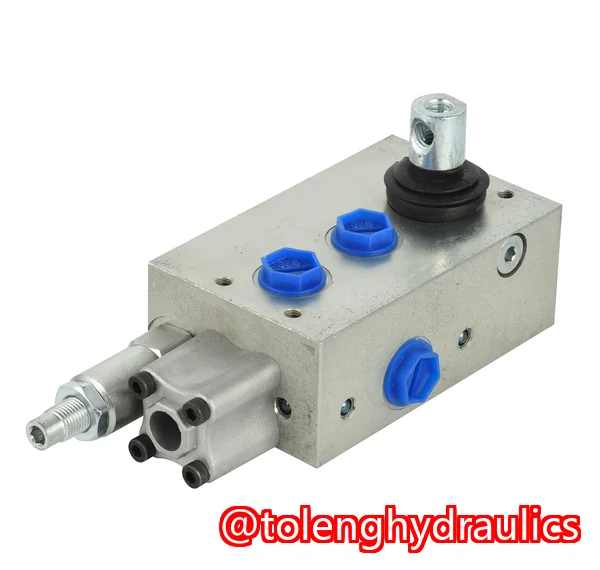
When purchasing or maintaining hydraulic cylinders for heavy equipment, I’ve learned a simple truth: not all cylinders are built to last. I’ve seen machines grind to a halt because of a tiny seal failure. A loader leaking hydraulic oil. A tractor that suddenly loses lifting power. A production line stopping because a cylinder won’t hold pressure.
Most of the time, the root cause isn’t a catastrophic metal failure. It’s the seals.
Hydraulic cylinder seals are small components, but they carry enormous responsibility. They keep hydraulic pressure contained, protect internal surfaces from contamination, and ensure smooth movement of the piston and rod. When seals wear outor when low-quality seals are installedthe entire hydraulic system suffers.
The problem many engineers and equipment buyers face is knowing when to replace seal kits and how to verify cylinder quality before problems occur. Over the years, working with maintenance teams and procurement specialists, I’ve seen the same questions repeated:
“How do I know if my cylinder seals are failing?”
“What should I check before replacing a seal kit?”
“How do I avoid buying poorly manufactured cylinders?”
This guide walks through the practical steps I recommend for identifying seal problems, replacing hydraulic cylinder seal kits properly, and evaluating overall cylinder quality before failure shuts down your equipment.
Why Hydraulic Cylinder Seal Kits Matter More Than Most People Realize
A hydraulic cylinder is essentially a pressure vessel with moving parts. Inside it, seals perform several critical jobs simultaneously.
They:
-
Maintain hydraulic pressure inside the cylinder
-
Prevent oil leakage around the piston and rod
-
Keep dust, dirt, and moisture out
-
Guide and stabilize internal components
When seals degrade, the entire system begins to lose efficiency.
In construction equipment, this might mean a loader bucket that slowly drops while parked. In agricultural machinery, it could be a hydraulic lift that cannot hold position. In industrial automation, it often leads to inconsistent machine movements.
I’ve also seen situations where a single worn seal caused repeated shutdowns on a material handling line. The repair cost wasn’t hugebut the downtime was expensive.
This is why proper hydraulic cylinder inspection and timely seal replacement are essential parts of preventive maintenance.
Common Problems That Lead to Premature Seal Failure
Many people assume seal failures simply happen because seals wear out over time. While age does play a role, premature failures usually have underlying causes.
Here are three issues I see most often.
1. Cylinder Quality That Looks Good but Isn’t
One of the hardest challenges for buyers is distinguishing real cylinder quality from good appearance.
A cylinder might look solid from the outsidesmooth paint, heavy end caps, clean weldsbut internal surfaces can tell a very different story.
Poor cylinder bore finish is a common hidden problem. If the internal bore surface is rough or inconsistent, it accelerates seal wear dramatically.
Seals depend on a smooth, precisely finished bore to maintain a thin oil film. When that surface isn’t correct, friction increases and seals deteriorate quickly.
2. Poor Rod Surface Finish
The piston rod slides through the rod seal every time the cylinder extends or retracts. If the rod surface isn’t finished properly, seals won’t last long.
Several rod defects can cause seal failure:
-
Insufficient rod chrome plating
-
Rough surface finish
-
Pitting or corrosion
-
Bent or misaligned rods
Even microscopic scratches can damage seals over time.
A high-quality rod typically has hardened steel and thick chrome plating to resist wear.
3. Incorrect Seal Material for the Application
Not all hydraulic seal types are designed for the same environment.
Different applications require different materials depending on:
-
Operating pressure
-
Temperature
-
Contamination exposure
-
Speed of movement
For example:
-
Construction equipment often uses polyurethane seals for durability
-
Industrial automation may rely on nitrile or PTFE materials
-
Agricultural machinery often requires seals that resist dirt and moisture
Using the wrong seal material dramatically shortens seal life.
When Should Hydraulic Cylinder Seal Kits Be Replaced?
One of the most common questions I hear is:
“Should I replace seals only after a leak appears?”
The answer is no.
Waiting for visible leaks often means internal wear has already progressed significantly.
Instead, I recommend watching for these early warning signs.
Warning Signs That Seal Replacement Is Needed
1. External Oil Leaks
Oil around the rod or cylinder head is the most obvious sign.
However, by the time oil becomes visible, seals are already damaged.
2. Cylinder Drift
If a hydraulic cylinder slowly retracts or extends under load, internal piston seals may be worn.
This is common in loaders, lifts, and presses.
3. Loss of Lifting Power
Weak hydraulic force may indicate internal bypass caused by worn piston seals.
4. Jerky or Uneven Movement
Seal damage or contamination can cause cylinders to move irregularly.
5. Excessive Oil Consumption
Frequent fluid top-offs sometimes point to hidden seal leakage.
How to Inspect a Hydraulic Cylinder Before Replacing Seal Kits
Before installing a new seal kit, I always recommend performing a full inspection.
Replacing seals without addressing underlying issues often results in repeat failures.
Here are the steps I typically follow.
Step 1: Check the Cylinder Tube and Bore Finish
The cylinder bore must be smooth and free of damage.
Look for:
-
Scoring lines
-
Corrosion
-
Uneven surface patterns
-
Metal debris
Poor bore finish destroys new seals quickly.
If damage is severe, the cylinder may need re-honing or replacement.
Step 2: Inspect the Piston Rod Carefully
Rod condition directly affects seal life.
Check for:
-
Scratches or grooves
-
Rust spots
-
Chrome plating wear
-
Surface roughness
A rod with damaged chrome plating will rapidly wear out new seals.
If the rod isn’t perfectly smooth, replacing seals alone won’t solve the problem.
Step 3: Verify Rod Straightness
Bent rods are more common than many people realize.
Even slight bending can cause uneven seal wear.
You can check rod straightness by:
-
Rolling it on a flat surface
-
Using a dial indicator
-
Visually inspecting during extension
Any deviation can shorten seal life.
Step 4: Measure Bore Size and Rod Diameter
Proper measurement ensures the correct seal kit is used.
To measure accurately:
-
Use a caliper or micrometer
-
Measure the bore size at several points
-
Measure the rod diameter at multiple locations
-
Confirm stroke length
Incorrect sizing leads to improper seal compression and leakage.
Step 5: Inspect Ports and Threads
Hydraulic ports should be clean and well-machined.
Look for:
-
Damaged threads
-
Poor machining
-
Debris in ports
-
Loose fittings
Poorly machined ports can cause pressure leaks or contamination.
Step 6: Evaluate Weld Quality and Mounting Points
Cylinder mounts endure heavy loads.
Check welds on:
-
End caps
-
Clevis mounts
-
Trunnion mounts
-
Base attachments
Cracked welds or poor penetration indicate low manufacturing quality.
Practical Seal Replacement Tips from Real Maintenance Work
Over the years, maintenance teams have shared valuable lessons with me about seal replacement.
These small details make a big difference.
Always Clean Components Thoroughly
Before installing new seals, clean every component.
Dust or metal debris can ruin seals immediately.
Lubricate Seals During Installation
Dry seals can tear during assembly.
Use clean hydraulic oil or assembly grease.
Avoid Sharp Edges
Edges on piston grooves or rod threads can cut seals.
Use installation tools or protective sleeves.
Replace All Seals Together
Even if only one seal appears damaged, replacing the full seal kit ensures balanced wear.
Follow Proper Torque Specifications
Over-tightening cylinder heads can distort seals and cause leaks.
How Quality Hydraulic Cylinders Prevent Seal Problems
One reason I emphasize hydraulic cylinder inspection is that high-quality cylinders naturally extend seal life.
Good manufacturing practices include:
-
Precision cylinder bore finish
-
Hardened piston rods
-
Thick rod chrome plating
-
Accurate bore and rod tolerances
-
High-grade seal materials
-
Strong welds and mounts
These details dramatically reduce maintenance frequency.
That’s why guides like the one provided by Toleng hydraulics are helpful. Their inspection approach helps engineers and equipment buyers verify true cylinder quality control before making purchasing decisions.
For industries like construction, agriculture, and industrial automation, selecting the right cylinder from the start prevents years of maintenance headaches.
Real-World Example: Seal Failure on a Loader Cylinder
A maintenance team once contacted me about repeated seal failures on a wheel loader.
They had replaced seal kits three times in six months.
The problem wasn’t the seals.
After inspection, we discovered:
-
The piston rod had micro-pitting
-
Chrome plating thickness was inconsistent
-
Dirt contamination was entering through a worn wiper seal
Once the rod was replaced and a high-quality seal kit installed, the cylinder ran for over two years without issues.
The lesson was simple: always inspect the entire cylinder, not just the seals.
Why Proper Inspection Saves Money
Hydraulic cylinders operate in demanding environments.
Failing cylinders can cause:
-
Production delays
-
Equipment downtime
-
Safety risks
-
Expensive emergency repairs
Performing a proper hydraulic cylinder inspection before purchasing or repairing cylinders helps prevent these problems.
Benefits include:
-
Longer cylinder service life
-
Lower maintenance costs
-
Improved equipment reliability
-
Better purchasing decisions
-
Reduced unexpected failures
For equipment owners and procurement teams, this knowledge is invaluable.
Final Thoughts on Seal Replacement and Cylinder Quality
Hydraulic cylinder seal kits may be small components, but they play a massive role in equipment reliability.
Understanding when to replace sealsand how to inspect the cylinder itselfcan prevent countless maintenance problems.
From checking the cylinder bore finish to inspecting rod chrome plating, each step helps ensure seals perform as intended.
I highly recommend following these inspection guidelines whenever you’re replacing seals or evaluating a new hydraulic cylinder. A few careful checks today can prevent major downtime tomorrow.
If you’re looking for guidance on evaluating cylinder quality, I encourage you to explore professional inspection resources and trusted suppliers.
Browse our selection of high-quality hydraulic cylinders:
🔗 https://tolenghydraulics.com/contact/
You can also download our complete hydraulic cylinder inspection checklist today to help your team make smarter maintenance and purchasing decisions.
Frequently Asked Questions
How can I tell if a hydraulic cylinder has quality seals?
Quality seals typically show consistent material density, precise molding, and proper fit within grooves. Reliable cylinders also use seals matched to the operating pressure and environment. If seals wear out quickly, the issue may be poor materials or incorrect installation.
What rod surface finish is best for long seal life?
A smooth, polished rod with proper chrome plating is ideal. The surface should be free of scratches, pits, or corrosion. A consistent finish reduces friction and allows seals to maintain a thin oil film.
How do I measure bore size and stroke length correctly?
Use a caliper or internal bore gauge to measure the cylinder bore diameter at multiple locations. Stroke length is measured by extending the rod fully and calculating the distance between the fully retracted and fully extended positions.
What are the signs of a poorly manufactured cylinder?
Common warning signs include rough bore surfaces, thin chrome plating on rods, uneven welds, misaligned mounting points, and poorly machined ports or threads.
Which cylinder mounting styles are strongest?
Mounting strength depends on the application. Trunnion mounts and heavy-duty clevis mounts are commonly used for high-load applications because they allow proper alignment during movement.
How do I choose between welded and tie-rod cylinders?
Welded cylinders are often used in mobile equipment and heavy-duty applications. Tie-rod cylinders are common in industrial machinery because they are easier to disassemble and maintain.
What chrome plating thickness should I look for on rods?
High-quality piston rods typically have chrome plating between 2030 microns or more, depending on the application. Thicker plating improves wear resistance and protects against corrosion.
Keywords / Tags
hydraulic cylinder quality, cylinder seals, rod finish, bore size, hydraulic cylinder maintenance, cylinder inspection, welded hydraulic cylinder, tie-rod cylinder, hydraulic cylinder buying guide, cylinder failure prevention, hydraulic cylinder materials, hydraulic seal types

