
The Ultimate Guide to Hydraulic Cylinder Repair
Learn how to inspect, repair, and choose high-quality hydraulic cylinders to prevent seal leaks, rod damage, and costly equipment downtime.
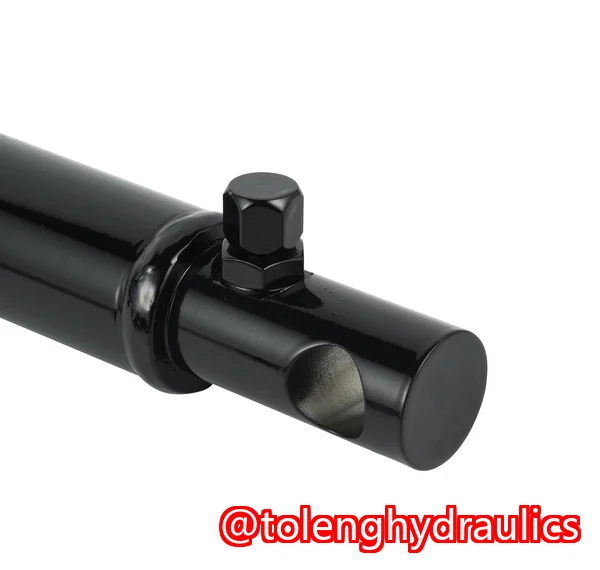
When purchasing hydraulic cylinders for heavy equipment, I’ve learned that not all cylinders are built to last. Premature seal failure, rod damage, and hydraulic leaks can bring an entire operation to a halt in minutes.
I remember visiting a construction site where a brand-new excavator had already been taken out of service. The boom cylinder had begun leaking oil after just a few weeks of operation. At first glance, the cylinder looked perfectly fineshiny rod, clean welds, and new paint. But once we removed it for inspection, the real problems became obvious: poor rod chrome plating, low-quality seals, and an inconsistent cylinder bore finish.
Situations like this are surprisingly common across construction, agriculture, material handling, and industrial automation. Hydraulic cylinders are often purchased based on appearance, price, or lead timerather than true manufacturing quality.
The good news is that most premature hydraulic cylinder failures can be prevented with proper inspection and a basic understanding of how these components should be built.
In this guide, I’ll walk through the practical methods engineers, maintenance teams, and equipment buyers can use to evaluate hydraulic cylinder quality, prevent failures, and extend service life. These are the same inspection steps recommended in the Toleng hydraulics evaluation guide used across industrial and mobile hydraulic applications.
Why Hydraulic Cylinder Quality Matters More Than Most Buyers Realize
Hydraulic cylinders look simple from the outside. A tube, a rod, some seals, and a few mounting points.
But the internal tolerances, materials, and surface finishes determine whether a cylinder will last ten yearsor fail within months.
Poor cylinder quality often leads to:
-
Seal leakage
-
Rod scoring or pitting
-
Internal bypassing
-
Cylinder drift
-
Reduced lifting force
-
Unexpected equipment downtime
For operations running excavators, loaders, presses, or agricultural implements, even a single cylinder failure can stop production and cost thousands in lost productivity.
That’s why understanding hydraulic cylinder inspection and cylinder quality control is critical before installing or purchasing new cylinders.
Common Pain Point #1: Appearance Doesn’t Reveal Real Cylinder Quality
One of the biggest challenges when evaluating hydraulic cylinders is that external appearance can be misleading.
Many low-quality cylinders look excellent at first glance. The paint is fresh. The chrome rod is shiny. The welds appear smooth.
But true hydraulic cylinder quality lies in areas you cannot easily see.
Key hidden factors include:
-
Internal cylinder bore finish
-
Rod surface hardness
-
Chrome plating thickness
-
Seal material quality
-
Machining tolerances
-
Port thread accuracy
I’ve seen cylinders that looked identical externally but performed completely differently in the field.
This is why a structured inspection approach is essential.
The Toleng hydraulics guide emphasizes evaluating cylinders beyond surface appearance, focusing instead on material quality and internal machining precision.
Common Pain Point #2: Seal Quality and Material Confusion
Another major source of hydraulic cylinder failure is poor seal selection.
Hydraulic seal types vary widely depending on operating conditions. Temperature, pressure, contamination levels, and fluid compatibility all affect seal life.
Common hydraulic seal types include:
-
Nitrile (NBR) seals widely used for general-purpose hydraulics
-
Polyurethane seals excellent wear resistance for high pressure
-
PTFE seals ideal for high-speed industrial applications
-
Viton seals suited for high-temperature environments
The problem is that many cylinders use low-cost seal materials that degrade quickly under pressure or temperature changes.
Common symptoms of poor seal quality include:
-
Early oil leakage
-
Visible seal cracking
-
Cylinder drifting under load
-
Loss of lifting power
Whenever I inspect a cylinder for repair, the seals are often the first components to show signs of failure.
Proper hydraulic cylinder inspection should always include evaluating seal materials and installation quality.
Common Pain Point #3: Poor Bore Finish and Machining Tolerances
The internal cylinder bore finish plays a huge role in seal life.
If the bore surface is too rough, seals wear out quickly. If it is too smooth, seals may not retain proper lubrication.
A proper cylinder bore finish maintains a balance between smoothness and oil retention.
Signs of poor bore machining include:
-
Rapid seal wear
-
Internal leakage
-
Metal scoring inside the tube
-
Contamination buildup
High-quality cylinders maintain consistent bore dimensions and a controlled honing pattern.
This is one of the critical factors addressed in cylinder quality control procedures.
How to Inspect Hydraulic Cylinder Quality Before Purchase
The good news is that buyers and maintenance teams can perform several practical inspections without specialized lab equipment.
Here are the most useful checks I recommend.
1. Inspect the Cylinder Tube Material and Bore Finish
Start by evaluating the cylinder tube.
A high-quality tube should be manufactured from precision honed steel designed for hydraulic pressure applications.
Things to check:
-
Look for consistent internal honing marks.
-
Inspect for scratches, scoring, or uneven surfaces.
-
Verify that the bore finish appears uniform along the entire length.
Even small imperfections inside the cylinder can accelerate seal wear.
A proper cylinder bore finish improves seal life and overall hydraulic efficiency.
2. Check the Piston Rod Hardness and Chrome Plating
The piston rod is one of the most stressed parts of any hydraulic cylinder.
It experiences constant friction, pressure loads, and environmental exposure.
A good rod should have:
-
High surface hardness
-
Thick chrome plating
-
Smooth rod finish
When inspecting rods, look for:
-
Surface pitting
-
Scratches or scoring
-
Chrome peeling
-
Uneven polishing marks
A quality rod finish helps protect seals and prevents contamination from entering the cylinder.
Rod chrome plating thickness is especially important in construction and agricultural equipment where dust and debris are common.
3. Evaluate Seal Design and Installation
Seal installation quality can reveal a lot about the overall manufacturing standards.
Look for:
-
Properly seated seals
-
No visible deformation
-
Clean installation grooves
-
Consistent seal materials
Poorly installed seals may appear twisted, pinched, or uneven.
These small installation mistakes often lead to early leakage.
Hydraulic seal types should always match the cylinder’s operating pressure and environmental conditions.
4. Verify Weld Quality on Cylinder Ends
Cylinder mounting ends must withstand enormous loads.
Weak welds can cause catastrophic equipment failure.
Inspect weld areas for:
-
Uniform weld beads
-
No cracks or undercuts
-
Smooth transitions between components
-
Consistent weld penetration
Poor welding may not show immediate failure, but over time it can cause structural fatigue.
High-quality welded hydraulic cylinders maintain strict welding standards.
5. Measure Bore Size and Rod Diameter Accurately
Accurate dimensions are essential for hydraulic cylinder performance.
You can measure these using:
-
Calipers
-
Micrometers
-
Bore gauges
Key measurements include:
-
Cylinder bore size
-
Rod diameter
-
Stroke length
Incorrect bore sizing reduces lifting force and causes pressure imbalance.
Verifying bore size ensures the cylinder meets the equipment’s design specifications.
6. Check Rod Straightness and Surface Defects
Rod straightness directly affects seal life.
Even minor bending can cause uneven seal wear.
To inspect rod straightness:
-
Roll the rod on a flat surface.
-
Check for wobbling.
-
Use a dial indicator if precision measurement is required.
Also check for:
-
Surface dents
-
Corrosion
-
Micro cracks
A straight, polished rod finish dramatically improves hydraulic cylinder reliability.
7. Inspect Hydraulic Ports and Thread Quality
Poor port machining can lead to leaks or damaged fittings.
Check that:
-
Threads are clean and well cut
-
No burrs exist around ports
-
Fittings install smoothly without resistance
Thread defects often cause hydraulic leaks during installation.
This small inspection step can prevent major fluid loss later.
Real-World Maintenance Scenario
One maintenance manager I worked with oversaw a fleet of agricultural harvesters. The machines used several hydraulic cylinders for lifting and positioning.
After repeated seal failures, the team assumed the problem was contamination from field dust.
However, after performing a full hydraulic cylinder inspection, we discovered the actual issue: the rods had extremely thin chrome plating.
Within months of operation, the plating had worn away, allowing corrosion to form. That corrosion damaged the seals repeatedly.
Switching to cylinders with thicker rod chrome plating and better rod finish solved the problem completely.
This is a perfect example of why material quality matters more than appearance.
Benefits of Proper Hydraulic Cylinder Inspection
Investing time in cylinder inspection before purchase or installation provides several benefits.
Reduced equipment downtime
Failures can be prevented before they occur.
Lower maintenance costs
High-quality cylinders last longer and require fewer seal replacements.
Improved equipment safety
Structural cylinder failures can cause serious accidents.
Better purchasing decisions
Procurement teams can distinguish reliable manufacturers from low-cost suppliers.
For industries like construction, agriculture, and material handling, these advantages translate directly into higher productivity.
Choosing the Right Cylinder for Your Application
Different industries require different hydraulic cylinder designs.
Common use cases include:
Construction equipment
Excavators, loaders, and bulldozers require heavy-duty cylinders with thick rods and durable seals.
Agricultural machinery
Cylinders must withstand dirt, moisture, and constant vibration.
Industrial automation
Precision cylinders are required for controlled motion and repeatability.
Mobile hydraulics
Vehicles and lifting systems need compact cylinders with high strength-to-weight ratios.
Understanding the application helps determine the right materials, seals, and mounting styles.
The Toleng hydraulics guide is designed to help engineers and equipment buyers navigate these decisions confidently.
Conclusion
Hydraulic cylinders are often overlooked componentsuntil they fail.
But as we’ve seen, most failures stem from preventable issues such as poor seal quality, inadequate rod chrome plating, inconsistent cylinder bore finish, or weak welding.
By following a structured hydraulic cylinder inspection process, equipment owners and maintenance professionals can quickly identify high-quality cylinders and avoid costly downtime.
I highly recommend following these inspection guidelines to ensure any hydraulic cylinder purchase delivers long-term reliability and performance.
If you’re evaluating new cylinders or planning equipment maintenance, take advantage of expert guidance and inspection tools designed for real-world hydraulic systems.
Browse our selection of high-quality hydraulic cylinders:
🔗 https://tolenghydraulics.com/contact/
Download our complete hydraulic cylinder inspection checklist today and ensure every cylinder you purchase meets the highest quality standards.
FAQ
How can I tell if a hydraulic cylinder has quality seals?
Quality seals are made from durable materials like polyurethane, PTFE, or high-grade nitrile. Inspect seals for uniform shape, proper seating, and clean installation grooves. Early cracking or deformation usually indicates low-quality materials.
What rod surface finish is best for long seal life?
A smooth, polished rod finish with consistent chrome plating provides the best protection. Surface roughness should be low enough to reduce friction while still retaining a thin oil film for lubrication.
How do I measure bore size and stroke length correctly?
Use a bore gauge or caliper to measure the internal cylinder diameter. Stroke length can be measured by fully extending the rod and measuring the distance from the rod base to the end cap.
What are the signs of a poorly manufactured cylinder?
Common indicators include uneven welds, rough bore finishes, thin rod chrome plating, poorly installed seals, and inaccurate port threads.
Which cylinder mounting styles are strongest?
Heavy-duty equipment often uses trunnion mounts, clevis mounts, or flange mounts. These provide strong load distribution and improved structural stability.
How do I choose between welded and tie-rod cylinders?
Welded cylinders are typically more compact and durable for mobile equipment, while tie-rod cylinders are easier to service and commonly used in industrial machinery.
What chrome plating thickness should I look for on rods?
For demanding environments such as construction and agriculture, thicker chrome plating provides better wear resistance and corrosion protection, extending rod and seal life.
Tags / Keywords:
hydraulic cylinder quality, cylinder seals, rod finish, bore size, hydraulic cylinder maintenance, cylinder inspection, welded hydraulic cylinder, tie-rod cylinder, hydraulic cylinder buying guide, cylinder failure prevention, hydraulic cylinder materials, hydraulic cylinder inspection, cylinder quality control, hydraulic seal types, cylinder bore finish, rod chrome plating

