
Hollow Plunger Hydraulic Cylinders Applications and Benefits
When it comes to hydraulic cylinders, one of the most crucial components for equipment performance and longevity, there’s always a lingering question: how do I know I’m getting a high-quality hydraulic cylinder? As someone who’s spent years sourcing and maintaining heavy equipment, I can tell you firsthand that choosing the right cylinder can be the difference between smooth, efficient operations and costly breakdowns. Premature seal failures, rod damage, and leaks are just a few of the common issues that can bring work to a halt.
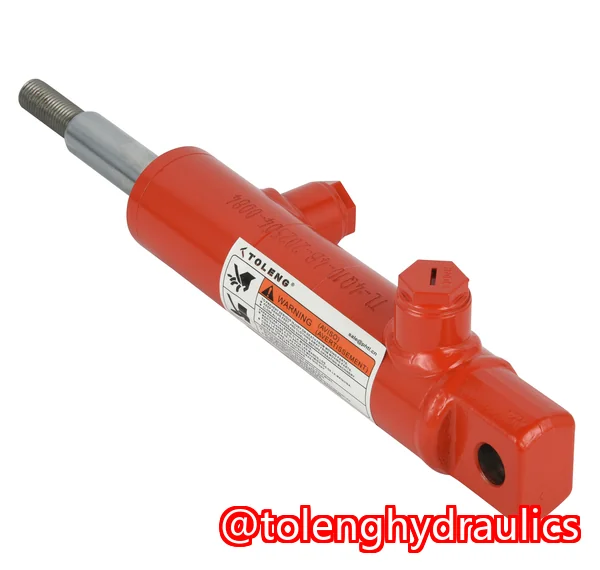
In today’s post, I’ll focus on hollow plunger hydraulic cylinders, their applications, and the benefits of choosing high-quality models. We’ll dive into the key areas you should inspect when sourcing cylinders, along with tips on how to spot potential issues before they cause problems in the field. By the end of this guide, you’ll know exactly how to evaluate hydraulic cylinders like a pro, making sure you’re investing in durable, long-lasting equipment.
Understanding Hollow Plunger Hydraulic Cylinders
Hollow plunger hydraulic cylinders are commonly used in applications where a long stroke length and compact design are required. These cylinders, unlike traditional rod-style hydraulic cylinders, have a hollow piston that can extend its stroke more efficiently. They’re typically used in industries like construction, agriculture, and mobile hydraulics for tasks like lifting, pushing, or pulling.
What makes these cylinders stand out is their ability to offer higher stroke lengths in a more compact package. This is crucial in environments where space is limited but power and efficiency are still needed.
However, as with any hydraulic component, the risk of premature failure can be a concern, particularly if the cylinder’s quality is compromised. Let’s take a look at some of the most common pain points when sourcing hydraulic cylinders, and how to make sure you’re buying a reliable, long-lasting unit.
Key Considerations When Evaluating Hydraulic Cylinder Quality
1. Cylinder Material and Bore Finish
The quality of a hydraulic cylinder begins with the material used for the cylinder tube. Cheap or improperly made tubes can lead to problems like corrosion and wear, which can significantly reduce the lifespan of the cylinder. Always make sure that the tube material is corrosion-resistant and capable of handling the high pressure typical in hydraulic applications.
Another important factor to check is the bore finish. A smooth bore is essential for the proper operation of hydraulic seals and ensuring that the cylinder moves smoothly without excessive wear. If the bore finish is rough or inconsistent, it can lead to premature seal degradation and loss of hydraulic pressure. When inspecting, look for any visible signs of wear or roughness inside the cylinder.
2. Rod Quality: Hardness, Chrome Plating, and Surface Finish
The piston rod is another critical area for inspection. When sourcing hollow plunger cylinders, you’ll want to check the rod’s hardness, chrome plating thickness, and surface finish. A high-quality rod will have a properly hardened surface that resists wear and corrosion. The chrome plating should be thick enough to protect the rod from harsh elements and prevent rust, but not so thick that it causes the seals to wear out prematurely.
In particular, check for rod straightness and any visible surface defects like pitting or scratches. These imperfections can drastically affect the cylinder’s performance and lifespan.
3. Seal Materials and Installation
The seals in a hydraulic cylinder are key to preventing leakage and maintaining pressure. If the seals aren’t up to standard or are improperly installed, you’ll likely experience hydraulic fluid leakage, reduced pressure, and potential equipment failure.
Make sure to verify the seal type and materials are appropriate for the application. For example, seals used in construction equipment need to be durable enough to withstand dust and debris, while those used in agricultural equipment should be resistant to chemicals and moisture. Additionally, check that seals are properly installed to prevent leaks from the get-go.
4. Mounting Styles and Weld Quality
Lastly, inspect the mounting style and the quality of the welds on the cylinder ends. Welds should be uniform and free from cracks or other imperfections that could compromise the cylinder’s strength. Whether you’re using a welded or tie-rod style cylinder, it’s important that the mounting points are secure and able to handle the stress of your equipment.
Benefits of Proper Hydraulic Cylinder Inspection
Taking the time to inspect and verify the quality of a hydraulic cylinder before purchase pays off in the long run. By ensuring you’re selecting a high-quality unit, you can avoid some of the most common issues faced by equipment owners and maintenance teams.
Here are just a few of the key benefits you’ll experience by following a thorough inspection process:
-
Minimized Equipment Downtime: By identifying potential issues before they occur, you can ensure your equipment continues to operate without costly interruptions.
-
Extended Cylinder Life: High-quality cylinders, with the right materials and finishes, are less prone to premature wear and can last much longer in service.
-
Reduced Maintenance Costs: Investing in quality cylinders reduces the frequency and cost of repairs and replacements over time.
How to Inspect Hydraulic Cylinders: A Step-by-Step Guide
Now that you know the critical areas to check when evaluating hollow plunger hydraulic cylinders, here’s a quick, practical guide to performing an inspection:
-
Measure Bore Size and Rod Diameter: Use a caliper or micrometer to measure the cylinder’s bore size and the rod’s diameter. This ensures they match the specifications required for your equipment.
-
Check for Seal Quality: Look for seals that are smooth, free from cracks, and correctly installed. Consider the application and ensure the seals are made of the right materials to withstand environmental conditions.
-
Assess the Rod Surface: Run your hand over the rod to check for imperfections such as scratches, pits, or scoring. Any visible damage could compromise the seal and cause leakage.
-
Inspect Mounts and Welds: Look closely at the welds on the cylinder ends. They should be smooth and even, with no signs of cracks or weaknesses. The mounting points should be free from deformities that could lead to structural failure.
Conclusion: Ensuring Long-Term Reliability with Quality Cylinders
When you take the time to carefully inspect your hydraulic cylinders, you’re making an investment in the long-term performance of your equipment. By focusing on the right materials, finishes, seals, and welds, you can avoid costly repairs, reduce downtime, and improve the overall efficiency of your operations.
I highly recommend following these inspection guidelines to ensure any hydraulic cylinder purchase delivers long-term reliability and performance. If you’re looking for high-quality hydraulic cylinders, browse our selection at 🔗 Toleng Hydraulics and download our complete hydraulic cylinder inspection checklist today.
FAQs
-
How can I tell if a hydraulic cylinder has quality seals?
Check for smooth, even seals that are correctly installed and made from durable materials suited for your application (e.g., chemical resistance for agriculture or dust resistance for construction).
-
What rod surface finish is best for long seal life?
A smooth, polished chrome finish is ideal for minimizing wear on seals and preventing contamination from rough rod surfaces.
-
How do I measure bore size and stroke length correctly?
Use a caliper or micrometer to measure the bore size and stroke length. Ensure the measurements match the required specifications for your equipment.
-
What are the signs of a poorly manufactured cylinder?
Look for inconsistent bore finishes, weld imperfections, poor chrome plating, and visibly damaged rods or seals.
-
Which cylinder mounting styles are strongest?
Welded cylinders typically provide the most strength and durability, especially for high-load applications, compared to tie-rod cylinders.
-
How do I choose between welded and tie-rod cylinders?
Choose welded cylinders for heavy-duty applications that require robust structural support, and tie-rod cylinders for lighter, more cost-effective options.
-
What chrome plating thickness should I look for on rods?
Aim for chrome plating with a thickness of around 0.003-0.005 inches, depending on the application. Thicker plating may cause seal wear, while thinner plating may be less durable.
Tags or Keywords
-
hydraulic cylinder quality
-
cylinder seals
-
rod finish
-
bore size
-
hydraulic cylinder maintenance
-
cylinder inspection
-
welded hydraulic cylinder
-
tie-rod cylinder
-
hydraulic cylinder buying guide
-
cylinder failure prevention
-
hydraulic cylinder materials

