
Load Holding 101: Hydraulic Cylinders with Counterbalance Valves
When purchasing hydraulic cylinders for heavy-duty equipment, I’ve learned that not all cylinders are created equal. Whether you’re working with construction equipment, agricultural machinery, or industrial automation, the consequences of choosing a low-quality hydraulic cylinder can be severe. Premature seal failures, rod damage, and leaks can quickly bring operations to a halt, resulting in costly downtime, repairs, and potential safety hazards.
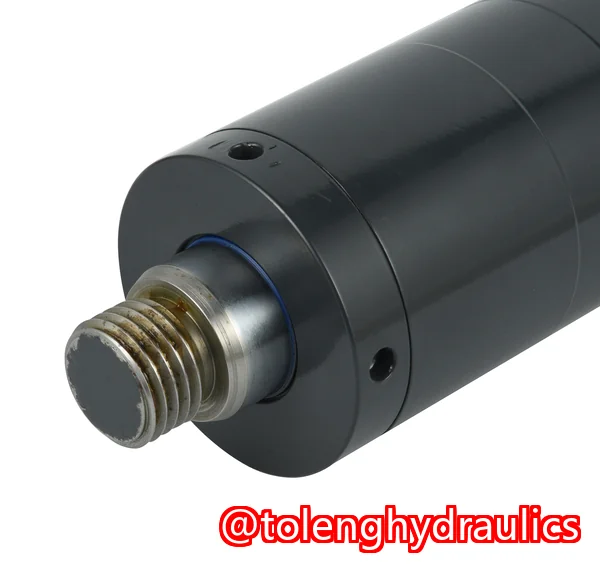
Hydraulic cylinders are the heart of any hydraulic system, and selecting the right one is crucial for maximizing uptime and ensuring smooth operations. In this guide, we’ll dive into the importance of choosing high-quality hydraulic cylinders with counterbalance valves, the key to load holding, and how to inspect cylinders to ensure you’re getting the most out of your investment.
Understanding Load Holding with Counterbalance Valves
A hydraulic cylinder equipped with a counterbalance valve helps prevent uncontrolled movement when a load is applied, making it ideal for applications where safety and precision are paramount. Counterbalance valves are typically used in lifting and material handling applications to maintain load control, especially when dealing with heavy machinery or mobile hydraulics. These valves allow the cylinder to safely hold a load, even when the hydraulic pressure is reduced or the system loses power.
Without the right counterbalance valve, a hydraulic system can become dangerous. Imagine a scenario where a boom lift starts lowering too quickly or a tractor bucket falls suddenly under the weight of a heavy load. This can not only cause equipment damage but also pose serious safety risks to operators and nearby personnel. That’s why selecting high-quality cylinders with properly functioning counterbalance valves is essential for both performance and safety.
Common Pain Points When Evaluating Hydraulic Cylinders
Choosing the right hydraulic cylinder isn’t always straightforward. Many cylinders may look identical at first glance, but small differences in construction and materials can significantly affect their durability and performance. As a buyer or maintenance professional, these are a few of the most common challenges you’ll face when evaluating hydraulic cylinders:
-
Difficulty Distinguishing Quality from Appearance: It’s easy to be misled by the outward appearance of a cylinder. A shiny chrome-plated rod and a smooth exterior might look impressive, but without understanding the materials and manufacturing process, you may be dealing with subpar quality.
-
Uncertainty About Seal Materials and Rod Surface Finishes: Seals and rod finishes play a critical role in preventing leaks, contamination, and wear. Many buyers are unsure which materials are best for their specific application, and failure to choose the right seal type can lead to premature failures.
-
Inconsistent Bore Finishes: A poorly finished bore can cause excessive wear on seals, resulting in leaks and costly downtime. It can be challenging to inspect bore finishes without the right tools or knowledge, which is why many buyers overlook this crucial aspect.
How to Inspect Hydraulic Cylinder Quality: Practical Steps
So, how do you ensure you’re selecting a high-quality hydraulic cylinder? The good news is that it’s entirely possible to evaluate cylinders with a step-by-step inspection approach. Here are some essential methods I use to ensure that the cylinders I select meet the highest standards:
1. Inspecting the Cylinder Tube and Bore Finish
The cylinder tube is a critical component that directly impacts the performance and longevity of the cylinder. Check the tube’s material and internal bore finish to ensure it’s smooth and free from imperfections. A rough or poorly finished bore can lead to leaks and premature wear of seals. The bore finish should ideally be honed to ensure smooth operation and to help maintain a proper seal.
2. Evaluating Piston Rod Quality
The piston rod plays a vital role in the cylinder’s performance. Check the rod for hardness, chrome plating thickness, and overall surface finish. A well-finished piston rod will have a smooth surface free of defects, such as rust, pitting, or gouges. The chrome plating should be thick enough to protect the rod from wear and corrosion.
3. Seal Type and Materials
Seals are the unsung heroes of hydraulic cylinders. Their primary function is to keep the hydraulic fluid in while preventing contaminants from entering. Be sure to ask about the seal material used in the cylinder. For example, nitrile rubber seals are commonly used for standard applications, while Viton seals are more suitable for high-temperature environments. Choosing the right seal material can dramatically impact cylinder longevity and performance.
4. Weld Quality
Welds on cylinder ends and mounts are areas that need extra scrutiny. Poor welding can lead to weak points, making the cylinder prone to failure under stress. Ensure that the welds are uniform and free from defects like cracks or porosity. Strong welds provide the structural integrity needed for reliable, long-lasting performance.
5. Measuring Bore Size and Rod Diameter
One of the first things to check when inspecting a cylinder is the bore size and rod diameter. Incorrect sizing can lead to a host of issues, including excessive wear and improper fitting. Measure the bore and rod accurately using the right tools, such as micrometers or calipers, to confirm they meet the specifications for your application.
6. Inspecting Rod Straightness and Surface Defects
Rod straightness is crucial to ensure smooth operation and prevent excessive wear on seals. Use a dial indicator or straight edge to check the rod for any bends or warping. If the rod is not perfectly straight, it could cause uneven wear or lead to further mechanical issues.
7. Check Port Threads and Fitting Quality
Hydraulic cylinder ports must have clean, well-cut threads to ensure proper sealing when fittings are attached. Inspect the ports to ensure the threads are free from damage, and that there’s no evidence of cross-threading or distortion that could cause leaks.
Benefits of Proper Inspection
By following these inspection methods, you’ll avoid costly equipment downtime and unexpected hydraulic cylinder failures. Here’s how:
-
Extended Cylinder Service Life: Choosing the right materials, seals, and finishes ensures your cylinders last longer, reducing the frequency of replacements.
-
Reduced Maintenance Costs: Properly inspected cylinders will require less frequent repairs and servicing, saving money in the long run.
-
Increased Equipment Uptime: With the right cylinder, your machines will run smoothly, reducing downtime and maximizing productivity.
Conclusion: Choosing the Right Hydraulic Cylinder for Long-Term Performance
When it comes to hydraulic cylinders, taking the time to thoroughly inspect them can prevent expensive and frustrating failures. I highly recommend following these inspection guidelines to ensure any hydraulic cylinder purchase delivers long-term reliability and performance. Remember that a high-quality cylinder is an investment in your equipment’s overall performance and safety.
If you’re looking for reliable, high-quality hydraulic cylinders, I suggest browsing the selection at 🔗 Toleng Hydraulics for a wide variety of top-tier cylinders tailored for construction, agriculture, and industrial applications.
Download our complete hydraulic cylinder inspection checklist today to ensure that your next hydraulic cylinder purchase will stand the test of time.
FAQ
How can I tell if a hydraulic cylinder has quality seals?
Quality seals should be made from high-performance materials like Viton or polyurethane, which resist heat, wear, and chemical exposure. They should also fit snugly in their grooves, with no visible gaps or damage.
What rod surface finish is best for long seal life?
A smooth, chrome-plated surface with a fine finish is ideal. This reduces friction and wear on the seals, leading to longer service life.
How do I measure bore size and stroke length correctly?
To measure bore size, use a caliper to determine the internal diameter of the cylinder. Stroke length is the distance the piston travels within the cylinder, measured from end to end.
What are the signs of a poorly manufactured cylinder?
Signs of poor manufacturing include visible weld defects, rough or inconsistent bore finishes, uneven rod surfaces, and improperly installed seals.
Which cylinder mounting styles are strongest?
Welded mounts are generally stronger and more durable than tie-rod mounts, making them ideal for heavy-duty applications that require high strength.
How do I choose between welded and tie-rod cylinders?
Welded cylinders are typically more durable and can withstand higher pressures, while tie-rod cylinders are easier to maintain and repair. Choose based on your application’s needs.
What chrome plating thickness should I look for on rods?
A good chrome plating thickness is between 0.001 and 0.003 inches. Thicker plating provides better protection against corrosion and wear.
Tags or Keywords:
-
hydraulic cylinder quality
-
cylinder seals
-
rod finish
-
bore size
-
hydraulic cylinder maintenance
-
cylinder inspection
-
welded hydraulic cylinder
-
tie-rod cylinder
-
hydraulic cylinder buying guide
-
cylinder failure prevention
-
hydraulic cylinder materials

