
The Best Hydraulic Cylinders for Excavators and Loaders
When you’re in the business of operating or maintaining heavy machinery, you know that the quality of the hydraulic cylinders you use can make or break your equipment’s performance. If you’ve ever dealt with premature seal failure, rod damage, or unexpected leaks, you understand the frustration that comes with costly downtime and repairs. I’ve seen it firsthandequipment brought to a standstill because the wrong cylinder was chosen. In today’s post, I’m going to walk you through how to identify high-quality hydraulic cylinders for your excavators and loaders, ensuring your equipment stays up and running for the long haul.
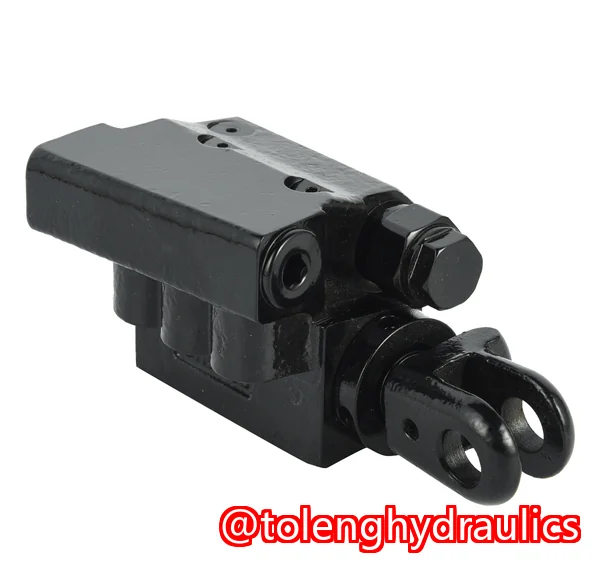
Hydraulic cylinders are the unsung heroes in machinery like excavators and loaders. They are responsible for transferring force to perform tasks like lifting, pushing, and pulling. But all hydraulic cylinders are not created equal. With the right inspection methods and understanding of cylinder quality, you can avoid those frustrating breakdowns and unnecessary repair costs.
Common Problems When Evaluating Hydraulic Cylinders
1. Appearance vs. Quality
It can be tempting to evaluate a hydraulic cylinder based solely on how it looks. After all, a shiny new cylinder is bound to be in good condition, right? But looks can be deceiving. Many low-quality cylinders might have a polished appearance, but the internal components could be subpar. If you only assess a cylinder based on its outward appearance, you might overlook vital issues like poor seal quality or inadequate bore finish.
2. Uncertainty About Seal Materials and Rod Finish
Different applications call for different materials, and choosing the right seal material or rod finish can be tricky. For example, a cylinder that’s not built with the right seals could face premature failure, resulting in leaks and diminished performance. Similarly, if the rod finish isn’t up to standard, you might experience unnecessary wear and tear.
3. Inconsistent Bore Finishes
The bore finishessentially, the inside surface of the cylinderis crucial to the overall function and longevity of the hydraulic cylinder. A rough or poorly finished bore can lead to excessive friction, causing premature wear on seals and increasing maintenance costs.
How to Inspect Hydraulic Cylinders for Quality
Now that we’ve discussed some common problems, let’s dive into how you can avoid them. Here are practical steps to help you assess the quality of hydraulic cylinders:
1. Check the Cylinder Tube Material and Bore Finish
The material of the cylinder tube is critical for ensuring durability. Steel is the most commonly used material for hydraulic cylinders because of its strength and resistance to wear. However, it’s not enough just to look at the material; the inside of the cylinder needs to be smooth. A rough bore finish can lead to seal damage and poor performance.
-
Tip: Use a borescope or a flashlight to inspect the internal finish of the cylinder. A high-quality cylinder should have a smooth, even bore without noticeable imperfections.
2. Inspect the Piston Rod
The piston rod is one of the most crucial components of a hydraulic cylinder. It bears the full force of the hydraulic pressure, and if it’s not properly hardened, it can easily become damaged. High-quality rods are usually chrome-plated to prevent wear from friction and resist corrosion.
-
What to Look For:
-
Rod Hardness: Harder rods are more resistant to damage. Check the hardness by performing a basic scratch test (if possible).
-
Chrome Plating Thickness: Ensure that the chrome plating is thick enough (typically at least 20 microns) to resist wear and extend the life of the rod.
-
Surface Finish: Look for a smooth, uniform finish on the rod. Any imperfections like scratches or pits can cause problems with seals, leading to leaks and premature failure.
-
3. Evaluate Seal Types and Materials
Seals are often the first part of a hydraulic cylinder to fail. Poor-quality seals can lead to leaks, which in turn lead to loss of pressure, reduced efficiency, and eventually, total failure. Always ensure that the seals used in the cylinder are appropriate for the specific applicationdifferent environments may require different types of seals.
-
Tip: Check for double-lip seals or wiper seals in high-demand applications, as these help keep contaminants out of the cylinder and prolong its life.
4. Check Weld Quality on Cylinder Ends and Mounts
The welding process used to attach the cylinder’s end caps and mounts plays a big role in the cylinder’s overall strength and durability. Poor welds can lead to weak spots that may cause the cylinder to fail under load.
-
What to Look For:
-
Weld Integrity: Ensure there are no visible cracks, voids, or defects in the welds. Properly welded cylinders will have a uniform, solid appearance with no gaps or inconsistencies.
-
Mounting Quality: If the mounts are improperly welded, they could break loose during operation, causing the cylinder to malfunction or fail completely.
-
Practical Tips to Maximize Cylinder Life and Prevent Failure
Now that you know how to evaluate cylinder quality, let’s talk about how to get the most out of your investment.
-
Measure Bore Size and Rod Diameter: Accurate measurements are key to ensuring you’re purchasing a cylinder that will fit and function properly in your equipment. Use a micrometer or caliper to measure the internal bore and the rod diameter.
-
Identify Signs of Poor Seal Quality: If you notice any leaking or excessive lubrication on the outside of the cylinder, it’s often a sign that the seals are not up to standard or have been improperly installed.
-
Inspect for Rod Straightness and Surface Defects: Any bending or warping in the rod can lead to misalignment, reducing the cylinder’s effectiveness and causing premature wear.
-
Examine Port Threads and Fittings: Ensure the threads on the ports are clean and undamaged. Poorly machined threads can result in leaks or difficulties when connecting hoses.
Why These Inspections Matter
Proper inspection and selection of hydraulic cylinders can save you money in the long run. Here’s why:
-
Avoid Costly Downtime: By choosing cylinders that are built to last, you reduce the risk of premature failure that can halt your operations.
-
Extend Cylinder Life: Identifying quality issues before purchase means you’re choosing a product that will last longer and require fewer replacements.
-
Save on Maintenance Costs: A high-quality cylinder that’s built right the first time means fewer repairs and replacements down the road, saving you from expensive maintenance.
Conclusion: Ensuring Long-Term Reliability
When it comes to hydraulic cylinders, quality matters. By following the inspection methods I’ve shared, you can confidently select cylinders that will deliver long-term performance and reliability. I highly recommend taking the time to inspect each cylinder carefully before making a purchase, as it will pay off in the form of reduced downtime and lower maintenance costs.
Ready to make the right choice? Browse our selection of high-quality hydraulic cylinders: 🔗 Toleng Hydraulics. You can also download our complete hydraulic cylinder inspection checklist to ensure you’re always choosing the best.
FAQ
1. How can I tell if a hydraulic cylinder has quality seals?
Look for seals that are made from durable materials like polyurethane or nitrile rubber, and check for signs of wear or damage, such as cracks or unevenness.
2. What rod surface finish is best for long seal life?
A smooth, polished rod finish, typically achieved through chrome plating, is best for extending seal life by reducing wear and friction.
3. How do I measure bore size and stroke length correctly?
Use a caliper to measure the internal diameter of the bore and a tape measure or ruler for the stroke length, ensuring that both are within the required specifications.
4. What are the signs of a poorly manufactured cylinder?
Signs include rough welds, poor plating on the rod, inconsistent bore finish, and low-quality seals that fail prematurely.
5. Which cylinder mounting styles are strongest?
Welded mounting styles tend to be the strongest and most durable, especially for heavy-duty applications.
6. How do I choose between welded and tie-rod cylinders?
Welded cylinders are stronger and more durable for high-pressure applications, while tie-rod cylinders are more cost-effective and easier to repair but less robust.
7. What chrome plating thickness should I look for on rods?
A chrome plating thickness of at least 20 microns is generally recommended for ensuring durability and preventing wear.
Tags or Keywords
-
hydraulic cylinder quality, cylinder seals, rod finish, bore size, hydraulic cylinder maintenance, cylinder inspection, welded hydraulic cylinder, tie-rod cylinder, hydraulic cylinder buying guide, cylinder failure prevention, hydraulic cylinder materials

