
Hydraulic Cylinder Troubleshooting: Common Problems and Fixes
When it comes to keeping heavy equipment running smoothly, the reliability of hydraulic cylinders is non-negotiable. Yet, time and again, I’ve seen projects delayed or operations halted because of a single failurewhether it’s a leaky seal, rod damage, or a cylinder failure that happens at the worst possible moment. In fact, I’ve heard it all from equipment owners, maintenance crews, and procurement managers: “The cylinder didn’t last as long as expected,” “It started leaking after just a few months,” or “We didn’t even notice the wear until the breakdown.”
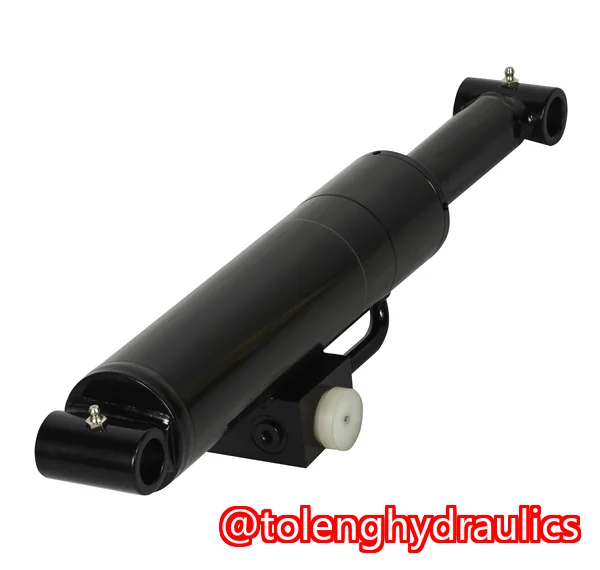
The truth is, hydraulic cylinder failures are often a result of poor-quality components or improper inspection during the purchasing process. But don’t worry, that’s where I come in. I’m here to help you navigate the process of identifying quality cylinders before they fail, saving you costly downtime and repairs. Let’s dive into some of the most common issues with hydraulic cylinders and, most importantly, how to spot them before they become a problem.
Common Hydraulic Cylinder Issues and How to Fix Them
1. Premature Seal Failure
When I first started working with hydraulic cylinders, one of the most common complaints I encountered was premature seal failure. The seals are critical for preventing leaks and maintaining pressure, yet they can wear down quickly if not selected or installed properly.
Common causes of seal failure:
-
Poor material choice: Some seals simply aren’t designed to handle the pressure or chemicals they’re exposed to, leading to quick degradation.
-
Improper installation: If seals are not installed correctly, they can be pinched or damaged, leading to immediate leaks.
-
Exposure to extreme temperatures: Overheating or freezing conditions can cause seals to lose flexibility, leading to failures.
How to Fix It:
Before you make a purchase, check the seal material used in the cylinder. Different applications (e.g., agricultural machinery vs. construction equipment) require specific seal types that can handle the pressures and conditions. For example, urethane seals are often used in lower-pressure systems, while fluoroelastomer seals are better for high-temperature environments.
Inspect for wear or damage:
-
Look for cracks, tears, or discoloration that indicate that seals are no longer functioning properly.
-
Use a magnifying glass or inspect the seal under bright light to detect any imperfections that could compromise the seal’s integrity.
2. Rod Damage or Surface Wear
I can’t count the number of times I’ve seen hydraulic cylinders fail due to rod damage. The piston rod is one of the most exposed parts of the cylinder, and its condition plays a huge role in the longevity of the cylinder as a whole.
Common rod issues include:
-
Corrosion: If moisture or chemicals get into the cylinder, they can cause rust or pitting on the rod surface, leading to seal damage and internal wear.
-
Scratches and gouges: Even small scratches can compromise the seal’s ability to maintain a tight fit, leading to leaks.
-
Bending: If the rod isn’t straight, it can lead to uneven pressure distribution, causing more strain on the cylinder and potentially causing failure.
How to Fix It:
When inspecting a cylinder, don’t just look at the rod’s external appearance. You’ll need to check for hardness and the chrome plating thickness. The chrome coating should be smooth, without any flaking or rough spots. Check the rod for straightness by using a dial indicator or other measuring tools to ensure that it hasn’t bent over time.
-
Chrome Plating Thickness: Look for plating that’s at least 0.002 to 0.005 inches thick. A thin coating can wear away quickly, leading to premature rod damage.
-
Rod Surface Finish: A high-quality finish, such as mirror-polishing, prevents debris from accumulating on the rod, helping to maintain seal integrity and prevent wear.
3. Bore Finish Inconsistencies
Bore finish is one of the most overlooked aspects of hydraulic cylinders. A poorly finished bore can lead to uneven wear and cause premature cylinder failure.
Why it matters:
-
A rough bore finish can cause high friction between the piston and the bore, leading to faster wear.
-
Irregularities can also cause seals to wear out prematurely.
How to Fix It:
When evaluating a cylinder, check the bore finish. A high-quality cylinder will have a smooth, even bore that minimizes friction. You can use a micrometer or bore gauge to check the surface roughness of the bore. Ideally, the surface should have a finish rating of 16 to 32 microinches Ra (roughness average).
How to Inspect Hydraulic Cylinders Like a Pro
Now that we’ve covered the major issues, let’s dive into how to properly inspect hydraulic cylinders to ensure you’re purchasing a quality product.
1. Check the Material and Construction
Start by looking at the overall construction of the cylinder. High-quality cylinders often use durable materials like cold-drawn steel for the tube and alloy steel for the rod. These materials can withstand the extreme pressure and stress that hydraulic systems put on the cylinder.
Look for cylinders with integral welds at the mounts, as these tend to be stronger and more durable than bolted or tie-rod types. However, tie-rod cylinders can still offer reliability if they are manufactured with quality materials.
2. Inspect the Seals
Make sure the seals are designed to handle the operating conditions. If your application involves high pressure or extreme temperatures, ensure that the seals are made of high-performance elastomers or fluoroelastomer materials. Pay close attention to the installation of the sealsif they’re not properly installed, even the best material will fail.
3. Measure the Bore Size and Rod Diameter
Accuracy is key here. Use calipers or other precision tools to measure the bore size and rod diameter. An improper fit can lead to friction, leaks, and eventual failure. The bore should be perfectly round, and the rod diameter should match the seal’s internal dimensions.
4. Look for Defects or Damage
Look for any cracks or damage on the cylinder ends, rods, or mounting areas. These are often signs of manufacturing defects or poor handling during transport. The welds should be smooth and strong, with no signs of cracking or corrosion.
5. Evaluate Port Threads and Fittings
Check the port threads and fittings for any signs of wear or damage. Poor threads can result in leakage, making it essential to inspect the cylinder’s connection points closely.
Conclusion: Ensuring Long-Term Hydraulic Cylinder Reliability
In my years of working with hydraulic systems, I’ve learned that a thorough inspection process is the best way to avoid unexpected downtime and costly repairs. By checking materials, seal integrity, rod quality, and bore finish, you can ensure that the hydraulic cylinders you purchase will provide reliable, long-term performance.
I highly recommend following these inspection guidelines to ensure any hydraulic cylinder purchase delivers long-term reliability and performance. After all, your equipment deserves the best, and with these tips, you can make sure you’re getting just that.
If you’re looking for high-quality hydraulic cylinders, look no further than Toleng Hydraulics. We offer a comprehensive range of reliable, durable cylinders for all types of applications. Browse our selection of high-quality hydraulic cylinders today: 🔗 https://www.tolenghydraulics.com/.
For a more in-depth guide, download our complete hydraulic cylinder inspection checklist and ensure your next purchase is a wise one.
Frequently Asked Questions (FAQ)
Q1: How can I tell if a hydraulic cylinder has quality seals?
Look for seals made from durable materials like fluoroelastomers or urethane, designed for the specific pressure and temperature conditions of your application. Inspect for smoothness and no visible cracks or wear.
Q2: What rod surface finish is best for long seal life?
A mirror-polished finish on the rod minimizes friction and wear on seals, extending their life.
Q3: How do I measure bore size and stroke length correctly?
Use a micrometer or bore gauge for the bore size. The stroke length can be measured by fully extending and retracting the cylinder.
Q4: What are the signs of a poorly manufactured cylinder?
Look for rough welds, poor-quality materials, uneven rod finishes, and visible cracks or defects on the cylinder components.
Q5: Which cylinder mounting styles are strongest?
Welded cylinders are often stronger and more durable than tie-rod cylinders, as they have integrated, solid welds.
Q6: How do I choose between welded and tie-rod cylinders?
Welded cylinders are typically more durable and suited for heavy-duty applications, while tie-rod cylinders are easier to repair and are often used for lighter, less demanding tasks.
Q7: What chrome plating thickness should I look for on rods?
Look for chrome plating thickness of at least 0.002 to 0.005 inches to ensure durability and resistance to wear.
Tags or Keywords:
-
hydraulic cylinder quality, cylinder seals, rod finish, bore size, hydraulic cylinder maintenance, cylinder inspection, welded hydraulic cylinder, tie-rod cylinder, hydraulic cylinder buying guide, cylinder failure prevention, hydraulic cylinder materials

