
How Hydraulic Cylinders Are Used in Material Handling
When purchasing hydraulic cylinders for heavy equipment, I’ve learned that not all cylinders are built to last. Premature seal failure, rod damage, and leaks can bring operations to a halt, leading to unexpected downtime and costly repairs. That’s why understanding how to evaluate hydraulic cylinders properly is essential for anyone involved in equipment procurement, maintenance, or operation. In this post, I’ll walk you through the most common challenges when selecting hydraulic cylinders for material handling and offer practical tips for identifying quality cylinders that will stand the test of time.
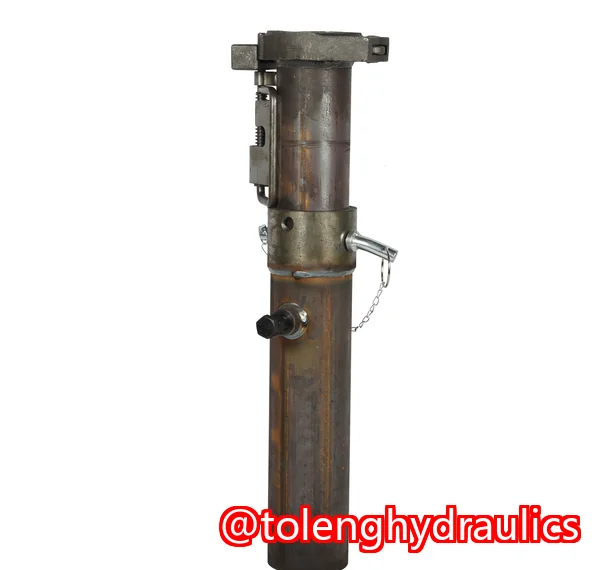
The Importance of High-Quality Hydraulic Cylinders
In the world of material handling, whether you’re working with construction equipment, agricultural machinery, or industrial automation systems, hydraulic cylinders are the beating heart of your equipment’s lifting, pushing, and pulling capabilities. They convert hydraulic energy into mechanical force, and the last thing you want is for them to fail unexpectedly.
Here’s the challenge: not all hydraulic cylinders are created equal. While some may appear durable or heavy-duty at first glance, they might fall short when it comes to long-term reliability. A poorly manufactured cylinder can result in early failure, which can bring your operations to a grinding halt.
Here are some common pain points buyers face when evaluating hydraulic cylinders:
-
Appearance vs. Performance: The outward appearance of a cylinder might look fine, but this doesn’t always reflect its internal quality.
-
Seal Issues: Using the wrong type of seals or failing to inspect them thoroughly can lead to leaks and failures.
-
Rod Damage: A damaged rod can destroy seals and other components, leading to unnecessary repairs.
-
Bore Finish: An inconsistent bore finish can cause excessive wear, reducing the cylinder’s lifespan and efficiency.
Fortunately, understanding how to inspect hydraulic cylinders before purchase can help you avoid these issues. Let’s dive into the key areas you need to evaluate.
Key Areas to Inspect When Evaluating Hydraulic Cylinders
1. Cylinder Tube Material and Bore Finish
The material used for the cylinder tube is critical in ensuring that the cylinder performs well under high pressures and varying conditions. Make sure that the cylinder tube is made from high-quality steel, which offers the right balance of strength and durability. Poor-quality materials or improper heat treatment can cause the tube to warp or crack under pressure.
Next, pay close attention to the bore finish. A smooth, consistent finish is essential to ensure proper seal operation and to avoid premature wear. An inconsistent bore can lead to seals wearing out too quickly, resulting in hydraulic fluid leaks and performance drops.
To inspect the bore finish:
-
Look for any surface imperfections, like scratches, nicks, or roughness.
-
Use a bore gauge or micrometer to measure consistency.
-
Ensure the bore size is within the manufacturer’s specifications, as even a slight difference can affect seal performance and longevity.
2. Rod Quality and Surface Finish
The rod is another critical component. A hydraulic cylinder’s rod is exposed to high stress, and any damage can lead to premature seal failure or catastrophic cylinder malfunction. When inspecting the rod, check for:
-
Rod Hardness: A properly hardened rod ensures resistance to wear and fatigue.
-
Chrome Plating Thickness: A high-quality rod should have an even chrome plating that is thick enough to prevent rust and corrosion, which can lead to seal degradation.
-
Rod Surface Finish: It should be smooth with minimal surface defects. Any rough spots or pitting can lead to increased friction, causing leaks and damage to seals.
One of the best ways to check for rod quality is by visually inspecting it and running your hand over its surface. Look for any signs of wear or corrosion.
3. Seal Quality and Material
Seals are designed to contain the hydraulic fluid within the cylinder and prevent contamination from entering. Choosing the wrong seal material or failing to inspect seals properly can lead to leakage and poor cylinder performance.
Hydraulic seals come in different materials, including Nitrile (NBR), Viton, and Polyurethane, each suited for different operating conditions. It’s essential to choose seals that are compatible with the fluid types, temperature ranges, and pressures your application demands.
Here’s how to assess seal quality:
-
Check the material: Make sure the seal material is compatible with your application.
-
Inspect for wear: Look for signs of cracking or compression on the seal.
-
Verify proper installation: Seals that are improperly installed will fail prematurely, so ensure they’re seated correctly.
4. Weld Quality and Mounting Styles
The welds on the cylinder ends and mounts are also crucial for cylinder durability. Poor-quality welding can lead to weak spots that may fail under load. When inspecting a cylinder, pay attention to the weld quality by looking for clean, consistent welds without any signs of cracking or gaps.
In addition, ensure that the mounting styleswhether welded, tie-rod, or othersare appropriate for the application. For example, welded cylinders are generally stronger and more durable than tie-rod cylinders but can be harder to repair if damaged.
Practical Tips for Inspecting Hydraulic Cylinders
Before you make a purchase, I highly recommend performing a thorough inspection. Here are some actionable steps you can take:
-
Measure Bore and Rod Size: Use a caliper or micrometer to check the bore and rod dimensions. Accurate measurements ensure compatibility with your equipment.
-
Check Rod Straightness: Lay the rod on a flat surface and roll it gently to check for straightness. A bent rod can cause premature wear and seal failure.
-
Inspect Seal Installation: Check that seals are properly installed and seated. Misalignment or improper installation can lead to fluid leaks.
-
Look for Surface Defects: Run your fingers along the rod to feel for any surface defects, such as pits or scratches.
-
Check Port Threads and Fittings: Ensure that the port threads are free of burrs and damage, and that the fittings are of high quality.
By following these inspection methods, you can avoid costly mistakes and ensure that your hydraulic cylinder purchase delivers optimal performance.
Why Quality Matters
Investing time in inspecting hydraulic cylinders pays off in the long run. Properly selected, high-quality cylinders offer:
-
Longer Lifespan: Avoid premature failure and unnecessary downtime by choosing cylinders built to last.
-
Reduced Maintenance Costs: With the right cylinders, you’ll spend less on repairs and replacements.
-
Improved Performance: A high-quality cylinder will help ensure that your equipment operates efficiently, reducing the risk of unexpected breakdowns.
In short, a reliable hydraulic cylinder leads to greater uptime, improved safety, and lower total cost of ownership.
Conclusion: Your Path to Reliable Hydraulic Cylinders
When it comes to hydraulic cylinders, it’s crucial to know what you’re looking for to ensure long-term reliability and performance. I highly recommend following these inspection guidelines to avoid the pitfalls of poor-quality cylinders and make informed purchasing decisions. Whether you’re working with construction, agricultural, or industrial equipment, these inspection tips will help you choose the best cylinders for your needs.
Ready to get started? Browse our selection of high-quality hydraulic cylinders today and make the right choice for your equipment.
🔗 Browse our selection of high-quality hydraulic cylinders here
Download our complete hydraulic cylinder inspection checklist today!
FAQs
How can I tell if a hydraulic cylinder has quality seals?
Inspect the seals for any cracks or wear. Ensure that the seal material matches your application and that the seals are properly installed without any gaps.
What rod surface finish is best for long seal life?
A smooth, polished surface with a proper chrome plating thickness is ideal. This reduces friction and wear on the seals.
How do I measure bore size and stroke length correctly?
Use a caliper or micrometer to measure the bore. To measure stroke length, extend the cylinder fully and measure from end to end.
What are the signs of a poorly manufactured cylinder?
Signs include rough welds, inconsistent bore finishes, poor chrome plating on rods, and visible surface defects.
Which cylinder mounting styles are strongest?
Welded cylinders tend to be stronger and more durable, while tie-rod cylinders are easier to repair but may not be as robust.
How do I choose between welded and tie-rod cylinders?
If strength and durability are crucial for your application, a welded cylinder is a better choice. However, for ease of repair, tie-rod cylinders might be preferable.
What chrome plating thickness should I look for on rods?
The plating should be thick enough to prevent corrosion and reduce wear, typically around 0.002 to 0.005 inches thick.
Tags or Keywords
-
hydraulic cylinder quality
-
cylinder seals
-
rod finish
-
bore size
-
hydraulic cylinder maintenance
-
cylinder inspection
-
welded hydraulic cylinder
-
tie-rod cylinder
-
hydraulic cylinder buying guide
-
cylinder failure prevention
-
hydraulic cylinder materials

