
Forestry Equipment: Why Logging Relies on Hydraulic Cylinders
When you’re out in the woods, hauling timber, you don’t want to think about your equipment breaking downespecially not the hydraulic systems. For logging and forestry operations, hydraulic cylinders are absolutely critical. But here’s the thing: not all hydraulic cylinders are built the same. A poorly made hydraulic cylinder can lead to premature seal failure, rod damage, and leaks, causing costly downtime and potentially dangerous situations.
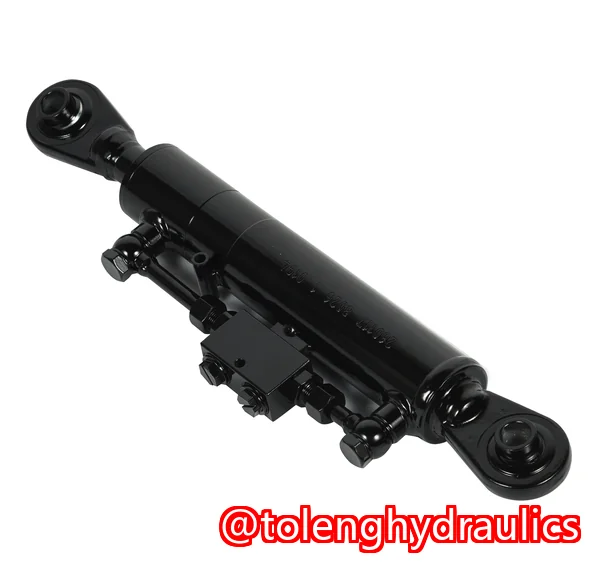
So, what can you do to avoid those issues and keep your forestry equipment running smoothly? The answer lies in understanding how to evaluate hydraulic cylinders for quality before they’re put to work. Here’s a step-by-step guide to help you inspect hydraulic cylinders, ensuring you make a sound investment that will keep your operations efficient and safe.
Common Challenges in Hydraulic Cylinder Selection
As a forest manager, maintenance engineer, or procurement specialist, selecting hydraulic cylinders can feel like a minefield. There are numerous variables to consider, and it can be difficult to tell a high-quality cylinder from a subpar one. Here are some of the common pain points:
1. Distinguishing Genuine Quality from Appearance
It’s easy to get fooled by a shiny exterior or an appealing price tag, but appearance alone doesn’t tell the full story. The true measure of a hydraulic cylinder’s quality lies beneath the surface, in the materials, seals, and finishes that aren’t always visible at first glance.
2. Uncertainty About Seals and Rod Surface Finishes
Hydraulic cylinders depend on seals to keep fluid contained and prevent leakage. However, the type of seal and its materials can make all the difference in terms of performance and longevity. Similarly, the rod finish (the surface texture of the piston rod) plays a critical role in the cylinder’s overall performance. Even minor defects can cause severe damage over time.
3. Inconsistent Bore Finishes and Wear
A poorly finished cylinder bore can lead to rapid wear of the piston and seals, drastically shortening the service life of the cylinder. This is a problem that’s often difficult to detect until it’s too late.
How to Evaluate Hydraulic Cylinder Quality
Here’s the good news: once you know what to look for, evaluating the quality of hydraulic cylinders becomes much more straightforward. Let’s dive into some key inspection methods:
1. Inspect the Cylinder Tube and Internal Bore Finish
The quality of the cylinder tube plays a huge role in performance. A smooth, well-finished bore reduces friction and minimizes the chances of seal damage. When inspecting a cylinder, check for smoothness inside the tube. Feel for any roughness or inconsistencies. A rough finish means that the seals will wear out faster, leading to a shorter operational lifespan.
2. Check the Piston Rod
The piston rod is the part that moves in and out of the cylinder, and it’s critical to the entire system. You want a rod that’s made from high-quality materials with a smooth surface. Rods should be hardened and chrome-plated for durability. When inspecting the rod, make sure to:
-
Look for scratches or surface imperfections: Even small defects can cause major problems over time.
-
Test the rod’s straightness: Bend in the rod can lead to failure in high-stress applications.
-
Measure the chrome plating thickness: The thicker the plating, the better the rod will withstand wear and tear.
3. Evaluate Seals and Materials
The seals in a hydraulic cylinder are your first line of defense against leakage. Poor-quality seals can lead to fluid loss, which can result in loss of pressure and ultimately, equipment failure. Here’s what to look for in seals:
-
Material type: Ensure the seals are made from high-quality materials like polyurethane or fluorocarbon, depending on the application.
-
Proper installation: A poorly installed seal won’t work properly, even if the seal itself is high-quality.
-
Signs of wear: If you notice any cracks, tears, or discoloration on the seals, it’s a red flag.
4. Verify Weld Quality
Hydraulic cylinders typically have welds at both ends, where the cylinder meets the mounts. Poor weld quality can lead to cracks and early failure. Make sure the welds are clean, without any signs of weakness such as pitting or undercuts.
5. Inspect Mounting Styles
Different hydraulic cylinders come with different mounting styles. Whether it’s a welded cylinder, a tie-rod cylinder, or another variant, each style has its strengths and weaknesses. When selecting a mounting style, consider the application’s stress levels and environmental conditions. Tie-rod cylinders are generally better for lighter loads, while welded cylinders offer stronger, more durable construction for heavy-duty applications.
Why Hydraulic Cylinder Inspection Matters
Proper inspection goes beyond just verifying the cylinder’s quality. It also helps you:
-
Avoid Costly Downtime: Prevent equipment failure and the downtime that comes with it. A high-quality cylinder reduces the chances of surprise maintenance.
-
Extend Service Life: By selecting cylinders with superior materials and finishes, you increase the overall lifespan of your equipment.
-
Reduce Maintenance Costs: Identifying quality issues before purchasing means you won’t have to replace defective cylinders prematurely, saving you money in the long run.
Step-by-Step Cylinder Inspection Tips
Here’s a practical guide to inspecting a hydraulic cylinder:
-
Measure Bore Size and Rod Diameter: Ensure the cylinder’s bore size and rod diameter match the specifications for your equipment.
-
Look for Signs of Seal Damage: Check for any cracks, tears, or wear on the seals, which may cause leaks.
-
Check Rod Surface: Inspect the piston rod for any scoring, scratches, or signs of excessive wear.
-
Ensure Mounting Integrity: Verify that the cylinder is properly mounted and that the welds or connections are secure.
-
Test for Straightness: Use a straightedge to ensure the rod is perfectly straight. Any deviation could lead to operational failure.
Conclusion
As you can see, selecting a high-quality hydraulic cylinder is about more than just looking for a good dealit’s about ensuring durability, performance, and reliability for your equipment. I highly recommend following these inspection guidelines to ensure any hydraulic cylinder purchase delivers long-term reliability and performance.
For your next hydraulic cylinder purchase, I encourage you to browse our selection of high-quality hydraulic cylinders at 🔗 Toleng Hydraulics. Or, download our complete hydraulic cylinder inspection checklist to make sure you’re getting the best quality every time.
FAQ
How can I tell if a hydraulic cylinder has quality seals?
Inspect the seals for cracks, tears, or discoloration. High-quality seals will be made of durable materials like polyurethane or fluorocarbon.
What rod surface finish is best for long seal life?
A smooth, chrome-plated rod surface helps reduce friction and prevent damage to seals. Ensure the plating is thick and even.
How do I measure bore size and stroke length correctly?
Use a caliper to measure the inner diameter of the cylinder bore. Stroke length is the distance the piston travels within the cylinder.
What are the signs of a poorly manufactured cylinder?
Look for inconsistencies in the bore finish, poor welds, damaged seals, or imperfections in the piston rod.
Which cylinder mounting styles are strongest?
Welded cylinders are generally stronger than tie-rod cylinders and are ideal for heavy-duty applications.
How do I choose between welded and tie-rod cylinders?
Choose welded cylinders for heavy-duty applications, as they are more durable. Tie-rod cylinders are better for lighter, less demanding tasks.
What chrome plating thickness should I look for on rods?
Look for at least 20 microns of chrome plating for long-lasting durability. Thicker plating generally results in better wear resistance.
Tags/Keywords
-
hydraulic cylinder quality
-
cylinder seals
-
rod finish
-
bore size
-
hydraulic cylinder maintenance
-
cylinder inspection
-
welded hydraulic cylinder
-
tie-rod cylinder
-
hydraulic cylinder buying guide
-
cylinder failure prevention
-
hydraulic cylinder materials

