
Hydraulic Cylinders in Agriculture: From Tractors to Harvesters
When it comes to agricultural equipment like tractors and harvesters, hydraulic cylinders are the unsung heroes that keep everything running smoothly. But not all hydraulic cylinders are created equal. In my years of experience, I’ve seen firsthand how the wrong cylinder or poor-quality seals can lead to costly breakdowns, extended downtime, and unnecessary repairs. Trust me, there’s nothing worse than seeing a piece of equipment sitting idle during harvest season, simply because the hydraulic system failed due to poor-quality components.
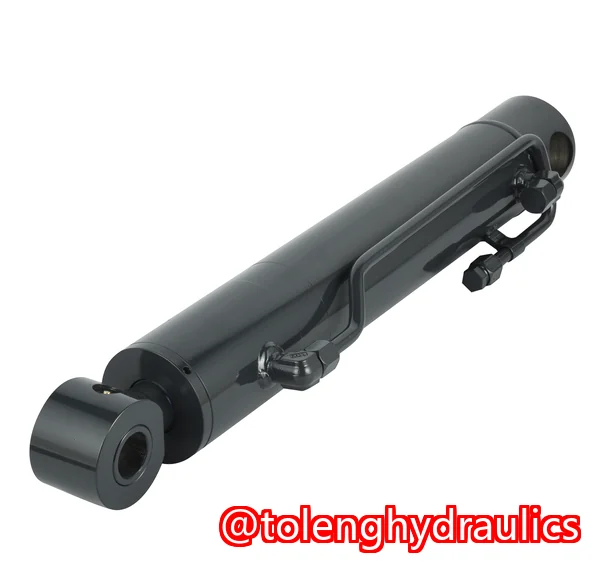
In this blog post, I’ll guide you through the essentials of identifying high-quality hydraulic cylinders and provide practical tips to ensure you’re making smart purchasing decisions. By the end, you’ll know how to inspect hydraulic cylinders for durability, functionality, and longevity, saving you from the frustration of early failures and expensive maintenance.
The Common Challenges When Evaluating Hydraulic Cylinders
Buying a hydraulic cylinder for agricultural equipment isn’t as simple as picking one from the shelf. When you’re on the hunt for a replacement or upgrading your machinery, you’ll find a variety of cylinder options that look almost identical, but they perform very differently.
One of the first challenges you’ll face is distinguishing genuine quality from simple appearance. A shiny, polished rod or smooth exterior might look great, but it’s often only a superficial indicator. The real value lies in how well the cylinder performs under pressure, how long the seals last, and how resistant it is to wear and tear over time.
Another problem? The uncertainty about seal materials and rod surface finishes. You want to make sure that the seals can withstand harsh agricultural environments and that the rod has the right surface finish to prevent premature wear. Furthermore, inconsistent bore finishes can lead to early failures, leaving you with unexpected downtime and expensive repairs.
But don’t worrythere’s a solution! With the right knowledge and inspection techniques, you can ensure you’re buying hydraulic cylinders that will stand the test of time.
What Makes a High-Quality Hydraulic Cylinder?
In my experience, when purchasing a hydraulic cylinder, there are several key factors to inspect to ensure you’re getting a top-quality product. Let’s break them down:
1. Inspecting the Cylinder Tube Material and Bore Finish
The material of the cylinder tube is critical for its performance. A high-quality hydraulic cylinder will typically have a cylinder tube made of durable, corrosion-resistant steel. But it’s not just about the material; the finish inside the tube (called the bore finish) plays a huge role in the cylinder’s lifespan. A smooth, consistent bore finish reduces friction and wear on seals, ensuring the hydraulic fluid flows properly and minimizing the risk of leaks.
When inspecting the bore, look for any imperfections or rough spots. These can accelerate wear on the seals and piston, causing leaks and reducing the cylinder’s effectiveness. For agricultural applications, where dirt and debris can easily enter the system, a smooth bore finish is especially important.
2. Evaluating the Piston Rod Hardness and Surface Finish
The piston rod takes a lot of wear and tear, so it’s crucial to make sure the material is up to the task. The rod needs to be made from high-strength steel and should have an appropriate chrome-plating thickness to prevent corrosion and damage.
The surface finish of the rod is equally important. A rod with a poor finish can cause seals to fail prematurely due to excessive wear or damage. Look for a rod with a fine, polished surface that reduces friction and ensures a good seal. If the rod looks scratched or pitted, it may not be durable enough for your equipment.
3. Choosing the Right Seals and Materials
Seals are perhaps the most critical component in a hydraulic cylinder. Poor-quality seals are the number one cause of hydraulic cylinder failure, leading to leaks and loss of pressure. To prevent this, make sure the seals are made from high-quality materials that are compatible with the operating environment of your equipment.
Agricultural equipment often operates in tough conditionsheat, cold, dirt, and moisture all take a toll on hydraulic systems. Therefore, selecting a cylinder with seals made from high-grade rubber or polyurethane that can withstand these harsh conditions is essential. In addition, verify that the seals are properly installed and that there are no gaps or defects.
4. Assessing the Weld Quality
For welded hydraulic cylinders, it’s important to check the quality of the welds on the cylinder’s ends and mounts. Poor welding can lead to weak spots, which can cause the cylinder to fail under pressure. Inspect the welds for smoothness and uniformity, and check for signs of cracking or warping, which could compromise the cylinder’s structural integrity.
Why Inspecting Hydraulic Cylinders Matters
So why does all of this matter? By thoroughly inspecting hydraulic cylinders before purchasing, you can avoid the frustration of unexpected failures and costly repairs. Here are a few reasons why these inspections are essential:
-
Avoid Downtime: Equipment failure is costly, especially during busy agricultural seasons. A quick inspection can help you identify issues before they lead to total breakdowns.
-
Maximize Service Life: Properly inspecting hydraulic cylinders ensures you select durable parts that will last longer, saving you from needing frequent replacements.
-
Reduce Maintenance Costs: Identifying potential quality issues before purchasing means fewer repairs, less downtime, and lower overall maintenance costs.
Step-by-Step Hydraulic Cylinder Inspection Guide
Now that we’ve covered the main components of a hydraulic cylinder, let’s dive into the specifics of how to inspect them properly. Here are some practical tips to help you evaluate cylinders for quality and longevity:
-
Measuring Bore Size and Rod Diameter: Use a caliper to measure the internal bore size and rod diameter accurately. A mismatch can lead to improper function, causing excessive wear on seals and parts.
-
Checking Seal Quality: To inspect the seals, gently press on the seal area and observe if there are any bulges or gaps. Signs of poor quality seals include cracks, tears, or hardening.
-
Examining the Rod Surface: Look for signs of scratches, pitting, or unevenness on the piston rod. These surface defects can lead to premature wear on seals.
-
Verifying Weld Quality: Inspect the welds closely. Ensure they are smooth and free from cracks or inconsistencies, as weak welds can lead to failure under stress.
-
Evaluating Port Threads and Fittings: Check that the port threads are clean and intact. Any stripped or damaged threads can cause leaks and issues with pressure buildup.
Conclusion: Choose Quality for Long-Term Performance
Hydraulic cylinders are a crucial component in agricultural machinery, and selecting the right one can mean the difference between smooth operation and costly downtime. I highly recommend following these inspection guidelines to ensure that any hydraulic cylinder you purchase delivers long-term reliability and performance.
Don’t leave it to chancebrowse our selection of high-quality hydraulic cylinders today and download our complete hydraulic cylinder inspection checklist to help make your next purchase a success.
🔗 Browse our selection of high-quality hydraulic cylinders
Frequently Asked Questions (FAQ)
1. How can I tell if a hydraulic cylinder has quality seals?
Inspect the seals for signs of cracking, hardening, or damage. Quality seals should feel soft and flexible without any visible defects.
2. What rod surface finish is best for long seal life?
A fine, polished surface finish helps reduce friction and wear on the seals, extending their lifespan.
3. How do I measure bore size and stroke length correctly?
Use a caliper to measure the internal diameter of the bore. For stroke length, measure the distance the piston travels within the cylinder.
4. What are the signs of a poorly manufactured cylinder?
Look for uneven welds, poor surface finishes, and signs of corrosion or pitting. A poorly manufactured cylinder will have visible defects that could lead to premature failure.
5. Which cylinder mounting styles are strongest?
Welded cylinders are generally stronger and more durable than tie-rod cylinders, which can be prone to leaks and damage under high stress.
6. How do I choose between welded and tie-rod cylinders?
Welded cylinders are typically used in heavy-duty applications, while tie-rod cylinders are more suitable for lighter tasks. Consider the stress and load requirements of your equipment when making a choice.
7. What chrome plating thickness should I look for on rods?
A thickness of 0.003 to 0.008 inches is standard for most agricultural applications, but check the manufacturer’s specifications for your specific needs.
Keywords:
-
hydraulic cylinder quality, cylinder seals, rod finish, bore size, hydraulic cylinder maintenance, cylinder inspection, welded hydraulic cylinder, tie-rod cylinder, hydraulic cylinder buying guide, cylinder failure prevention, hydraulic cylinder materials

