
Hydraulic Cylinder Parts Explained: Seals, Piston, Rod, and Barrel
When purchasing hydraulic cylinders for heavy machinery, I’ve learned that not all cylinders are made equally. It’s easy to overlook some details during the buying process, but ignoring them can lead to premature failures. In my years of experience, I’ve seen machinery come to a halt due to faulty seals, rod damage, and leakscostly setbacks that could have been avoided. That’s why it’s crucial to inspect hydraulic cylinders properly before purchase to ensure they can stand up to the demands of construction, agriculture, or industrial applications.
In this article, I’ll walk you through how to identify quality hydraulic cylinders by focusing on the key components: seals, piston, rod, and barrel. Whether you’re an engineer, procurement specialist, or maintenance manager, this guide will help you make informed decisions and avoid equipment failures caused by poor-quality cylinders.
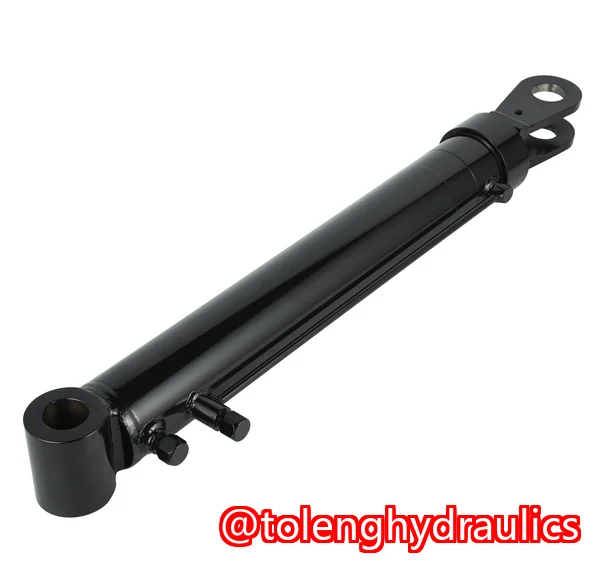
Common Hydraulic Cylinder Issues You Should Be Aware Of
Hydraulic cylinders are integral to heavy machinery, but they’re also vulnerable to specific wear-and-tear issues. When inspecting hydraulic cylinders, there are a few key pain points to look out for:
-
Seal Failures: Seal damage is one of the most common reasons hydraulic cylinders fail. Poor seals can result in leakage, which leads to a loss of hydraulic fluid and reduced cylinder performance.
-
Rod Damage: Over time, the piston rod can wear out. Damage from rust, corrosion, or surface defects often causes seal failures, which leads to leakage and loss of pressure.
-
Premature Bore Wear: The bore finish, or the inner surface of the cylinder tube, can be prone to damage. This wear significantly reduces the life of the hydraulic cylinder and affects the performance of the system.
With Toleng hydraulics, you can take the guesswork out of purchasing cylinders by understanding how to evaluate these crucial components.
How to Inspect Hydraulic Cylinder Quality: A Step-by-Step Guide
Proper inspection of hydraulic cylinders is essential to avoid costly breakdowns and ensure long-term reliability. Here’s a straightforward guide to evaluating key components like seals, rods, and barrels.
1. Inspecting the Cylinder Tube Material and Bore Finish
A high-quality hydraulic cylinder starts with a solid tube material. The cylinder tube should be made of strong, durable steel, capable of withstanding high pressure and rough conditions.
-
Bore Finish: Check the internal surface (bore) of the cylinder tube. A smooth, consistent finish is crucial for ensuring proper sealing and reducing wear on the piston. If the bore is uneven or has scoring, it can cause premature wear and damage to seals.
-
Step-by-Step Check:
-
Use a caliper to measure the diameter of the bore.
-
Run a soft cloth or gauze inside the bore. If you feel rough spots or inconsistencies, this may indicate a subpar bore finish.
-
2. Evaluating the Piston Rod Quality
The piston rod is one of the most critical components in ensuring a hydraulic cylinder operates smoothly. A damaged rod leads to leaking seals and can cause catastrophic failure if left unchecked.
-
Rod Surface Finish: A high-quality hydraulic piston rod should have a smooth, polished surface to ensure that it glides smoothly through the seals without causing any damage. A poor finish can lead to scoring or scratching, causing seals to wear out prematurely.
-
Rod Hardness and Chrome Plating: The rod should be hardened to prevent bending and ensure longevity. Chrome plating is essential for preventing corrosion and providing a smooth surface that minimizes wear on seals.
-
Step-by-Step Check:
-
Check the rod for signs of rust or corrosion. Even a small amount of corrosion can significantly degrade the performance of the cylinder.
-
Measure the chrome plating thickness using a micrometer. Ensure that it meets the manufacturer’s specifications (typically 2030 microns for most applications).
-
Test the surface finish by running your fingers over the rod. It should feel smooth and free of any sharp edges or defects.
-
3. Examining the Seals and Seal Materials
Seals are the heart of hydraulic cylinder performance. Poor seals lead to fluid leaks, which result in loss of pressure and efficiency.
-
Seal Types: There are various types of seals used in hydraulic cylinders, including O-rings, lip seals, and wiper seals. Each type is suited for specific applications, depending on pressure, temperature, and the type of fluid used.
-
Seal Materials: High-quality seals are made from materials like polyurethane, PTFE, and nitrile rubber, which provide excellent resistance to wear, pressure, and chemical exposure.
-
Step-by-Step Check:
-
Inspect the seals for any signs of wear, cracks, or deformation.
-
Ensure that the seals fit snugly in their grooves. Loose or improperly fitted seals can result in leaks.
-
Test the seals’ resistance to fluid by checking compatibility with the type of hydraulic fluid used in your machinery.
-
4. Assessing Weld Quality and Mounting Integrity
The quality of welds on the cylinder end caps and mounts plays a major role in the cylinder’s overall performance. Poor welding can lead to structural failure, causing leaks or bending under pressure.
-
Weld Quality: Check for uniformity in the welds and look for any signs of cracks or weak points. A proper weld will be smooth and free from porosity.
-
Mounting Styles: Hydraulic cylinders are mounted in various configurations, such as welded, tie-rod, or threaded mounts. Each style has its strengths depending on the application.
-
Step-by-Step Check:
-
Visually inspect the welds for cracks or gaps.
-
If possible, use a hammer to lightly tap the welds. A dull thud can indicate weak spots, while a solid sound suggests good integrity.
-
Check for secure mounting of the cylinder within the machinery. Loose or improperly installed cylinders will lead to alignment issues.
-
Why Proper Inspection Is Crucial
By carefully inspecting these key parts of the hydraulic cylinder, you can avoid costly breakdowns and repairs. Taking the time to check the material quality, bore finish, rod condition, seals, and mounting integrity will help you choose a cylinder that offers long-term reliability.
Benefits of Proper Hydraulic Cylinder Inspection:
-
Avoid Equipment Downtime: Prevent unexpected failures that halt operations.
-
Maximize Cylinder Life: Ensuring the right materials and quality leads to longer-lasting cylinders.
-
Lower Maintenance Costs: Catching quality issues early helps reduce repair costs down the road.
Conclusion: Make the Right Choice
I highly recommend following these inspection guidelines to ensure any hydraulic cylinder purchase delivers long-term reliability and performance. Don’t cut corners when selecting cylinderstake the time to evaluate their quality thoroughly. By doing so, you’ll avoid downtime, reduce maintenance costs, and ensure your machinery runs smoothly for years.
Ready to upgrade your hydraulic cylinders?
Browse our selection of high-quality hydraulic cylinders at 🔗 Toleng Hydraulics.
Download our complete hydraulic cylinder inspection checklist today to get started on the right path.
Frequently Asked Questions (FAQs)
1. How can I tell if a hydraulic cylinder has quality seals?
Look for seals made from durable materials like polyurethane or PTFE. Inspect for proper installation and ensure they fit snugly in their grooves. Check for any visible damage such as cracks or wear.
2. What rod surface finish is best for long seal life?
A smooth, polished finish minimizes wear on seals. The rod should also have an appropriate chrome plating thickness (around 2030 microns) for durability and corrosion resistance.
3. How do I measure bore size and stroke length correctly?
Use a caliper to measure the internal diameter of the bore. For stroke length, measure the distance the piston travels within the cylinder from fully extended to fully retracted positions.
4. What are the signs of a poorly manufactured cylinder?
Signs of poor manufacturing include uneven bore finishes, rough rod surfaces, poorly welded end caps, and seals that don’t fit correctly. These can all lead to leakage and reduced performance.
5. Which cylinder mounting styles are strongest?
Welded cylinders are often the strongest, providing superior durability and resistance to external forces. Tie-rod cylinders offer flexibility but may not be as rugged in heavy-duty applications.
6. How do I choose between welded and tie-rod cylinders?
Welded cylinders are typically more durable and compact, making them ideal for high-pressure applications. Tie-rod cylinders are easier to maintain and repair, making them suitable for less demanding applications.
7. What chrome plating thickness should I look for on rods?
Chrome plating should generally range between 2030 microns for most applications, providing an optimal balance between durability and flexibility.
Keywords:
hydraulic cylinder quality, cylinder seals, rod finish, bore size, hydraulic cylinder maintenance, cylinder inspection, welded hydraulic cylinder, tie-rod cylinder, hydraulic cylinder buying guide, cylinder failure prevention, hydraulic cylinder materials

