
How Hydraulic Cylinders Work Principles Explained Simply
Learn how to identify high-quality hydraulic cylinders, avoid failures, and choose reliable manufacturers for long-lasting performance.
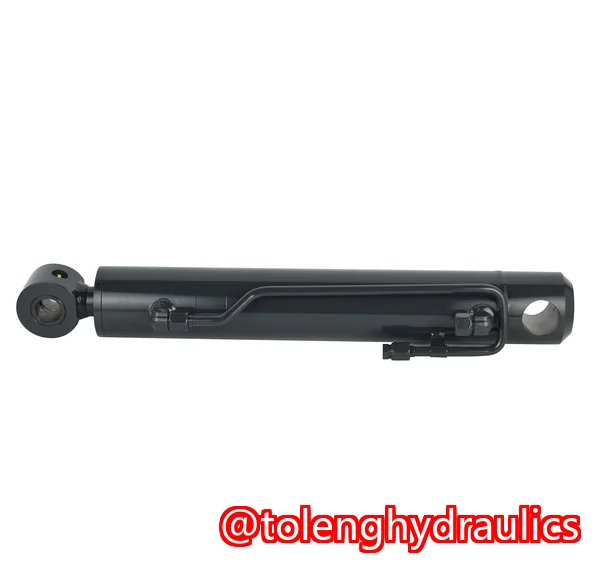
If there’s one lesson I’ve learned after years working with heavy equipment, it’s this: the performance of your entire machine often comes down to the quality of a single componentthe hydraulic cylinder. Choose the wrong manufacturer, and you’re setting yourself up for downtime, costly repairs, and frustration on the job site.
I’ve seen it happen too many times. A contractor sources a “budget-friendly” cylinder from an unknown supplier. It looks fine at first glance. But within weeks, seals start leaking, rods get scratched, and the machine loses power when it’s needed most. Production stops. Deadlines slip. Costs pile up.
That’s why choosing a trusted manufacturer isn’t just a purchasing decisionit’s a risk management strategy.
At Toleng hydraulics, the philosophy is simple: build every hydraulic cylinder as if it’s going into critical equipment where failure is not an option. That means tight control over materials, precision manufacturing, and rigorous testing before anything leaves the factory floor.
But before we dive into how to evaluate quality, let’s break down how hydraulic cylinders actually workbecause understanding the basics makes it much easier to spot problems before they happen.
How Hydraulic Cylinders Work (Without the Complexity)
At its core, a hydraulic cylinder converts fluid pressure into linear force. That’s it. No magicjust physics done right.
When hydraulic oil is pumped into the cylinder, it pushes against a piston inside a sealed barrel. This pressure forces the piston to move, extending or retracting the rod. That motion is what lifts, pushes, pulls, or tilts heavy loads in everything from excavators to agricultural machinery.
But here’s the key: this process only works reliably when every internal component is manufactured to precise tolerances.
Even small imperfections can lead to big problems:
-
Rough cylinder bores damage seals
-
Poor chrome plating leads to rod corrosion
-
Weak welds crack under pressure
-
Low-quality seals fail prematurely
So while the working principle is simple, execution is everything.
The Real Problem: Why Hydraulic Cylinders Fail in the Field
Let me paint a real-world picture.
A construction company installs a new cylinder on an excavator boom. Within a month:
-
Oil starts leaking from the seals
-
The rod shows scoring marks
-
The machine loses lifting capacity
What went wrong?
In most cases, it’s not misuseit’s poor manufacturing quality.
Here are the most common failure points I’ve seen:
1. Seal Failure
Cheap or mismatched seals can’t handle pressure or temperature changes. Once they fail, contamination enters the system, accelerating wear.
2. Poor Bore Finish
If the internal surface isn’t properly honed, it creates friction. This damages seals and reduces efficiency.
3. Rod Surface Defects
Inadequate chrome plating leads to pitting and corrosion, especially in outdoor or agricultural environments.
4. Weak Welding or Assembly
Structural failure often starts at poorly executed weld joints.
5. Lack of Testing
Some suppliers skip proper pressure testing to cut costs. That’s a risk you don’t want to take.
What High-Quality Manufacturing Actually Looks Like
When I evaluate a hydraulic cylinder manufacturer, I don’t just look at the final productI look at how it’s made.
At Toleng hydraulics, the manufacturing process is built around precision and consistency. Here’s what that looks like in practice:
Advanced CNC Machining Centers
Precision machining is the foundation of cylinder quality.
-
Tight tolerances ensure proper sealing
-
Consistent dimensions improve interchangeability
-
Smooth finishes reduce internal wear
If a manufacturer isn’t using modern CNC equipment, that’s a red flag.
Automatic Welding Equipment
Welding isn’t just about joining partsit’s about structural integrity.
-
Automated welding ensures consistency
-
Reduces human error
-
Improves strength and durability
In high-pressure applications, even a small weld defect can lead to catastrophic failure.
Precision Honing Machines
This is one of the most overlooked aspects of cylinder quality.
-
Proper honing creates a smooth, cross-hatched surface
-
Enhances seal performance
-
Extends cylinder lifespan
A poorly honed bore is one of the fastest ways to destroy a new cylinder.
Complete Testing Facilities
Every cylinder should be tested before it leaves the factory.
-
Pressure testing verifies strength
-
Leak testing ensures sealing integrity
-
Functional testing confirms smooth operation
At Toleng, every cylinder undergoes 100% pressure testingnot just random sampling.
Quality Control: Where Good Manufacturers Separate Themselves
Manufacturing capability is important. But without strong quality control, it doesn’t mean much.
Here’s what I always look for in a reliable supplier:
Raw Material Inspection and Traceability
-
Every material batch is verified before use
-
Full traceability ensures accountability
-
Prevents substandard materials from entering production
If a supplier can’t tell you where their steel comes from, that’s a concern.
In-Process Quality Checks
Quality shouldn’t be checked at the endit should be built into every step.
-
Dimensional checks during machining
-
Surface inspections after honing
-
Weld inspections during assembly
This reduces defects before they become costly problems.
Final Pressure Testing (1.5x Working Pressure)
This is critical.
Testing at 1.5 times the working pressure ensures:
-
Structural integrity under stress
-
Seal performance under real conditions
-
Safety in demanding applications
Anything less is cutting corners.
Surface Finish and Coating Inspection
Surface quality directly impacts performance.
-
Rod chrome plating must be uniform and durable
-
Coatings should resist corrosion
-
Finishes must meet application requirements
In harsh environments, this can make or break a cylinder.
Customization: Because One Size Never Fits All
One of the biggest mistakes buyers make is assuming all cylinders are standard.
In reality, different applications require different specifications.
At Toleng hydraulics, customization isn’t an afterthoughtit’s part of the process.
Here’s what you should expect from a professional manufacturer:
Custom Bore Sizes and Stroke Lengths
Different machines require different force and reach capabilities.
Special Materials for Harsh Environments
-
Corrosion-resistant materials for marine use
-
High-strength alloys for heavy-duty applications
Various Mounting Styles
-
Clevis mounts
-
Flange mounts
-
Trunnion mounts
Each affects how the cylinder handles load and movement.
Special Seal Options
Different environments demand different sealing solutions:
-
High-temperature seals
-
Dust-resistant seals
-
Low-friction seals for efficiency
Choosing the right configuration can significantly extend service life.
Why Working with a Professional Manufacturer Pays Off
I get itcost is always a factor. But focusing only on upfront price is a mistake.
Here’s what you gain by working with a reliable manufacturer:
Consistent Quality Assurance
No surprises. Every cylinder performs as expected.
Shorter Lead Times
Efficient production means faster deliveryand less downtime.
Technical Support and Expertise
A good manufacturer doesn’t just sell productsthey solve problems.
Need help selecting the right cylinder? They’ve got you covered.
Cost-Effective Solutions
Higher quality upfront means:
-
Fewer replacements
-
Lower maintenance costs
-
Less downtime
In the long run, it’s always cheaper.
Practical Inspection Tips Before You Buy
If you’re sourcing hydraulic cylinders, here’s a quick checklist I personally use:
-
Check the rod surface: It should be smooth, with no visible defects
-
Inspect welds: Clean, uniform, and free of cracks
-
Ask about testing: Confirm 100% pressure testing
-
Verify materials: Request material certifications
-
Review supplier capabilities: Do they have CNC, honing, and testing equipment?
These simple steps can save you from major headaches later.
Final Thoughts: Make Quality Your Priority
Hydraulic cylinders may seem like simple components, but their impact on your equipment is massive.
Choosing the right manufacturer isn’t just about specsit’s about trust. It’s about knowing that the cylinder you install today will still be performing months or years down the line.
I highly recommend following these inspection guidelines to ensure any hydraulic cylinder purchase delivers long-term reliability and performance.
If you’re ready to work with a manufacturer that prioritizes quality at every step, take the next step:
-
Browse our selection of high-quality hydraulic cylinders: 🔗 https://tolenghydraulics.com/contact/
-
Download our complete hydraulic cylinder inspection checklist today.
FAQ
What quality certifications do you have?
Most professional manufacturers provide ISO certifications and full material traceability. Always ask for documentation to verify compliance.
What is your typical production lead time?
Lead times vary depending on customization, but reliable manufacturers usually deliver within a few weeks while maintaining quality standards.
Do you offer custom designs?
Yes, experienced manufacturers provide full custom design and OEM services, including bore size, stroke length, and mounting configurations.
What testing do you perform on each cylinder?
Each cylinder should undergo pressure testing (typically 1.5x working pressure), leak testing, and functional testing before delivery.
What is your minimum order quantity?
This depends on the manufacturer, but many offer flexible MOQs, especially for custom or OEM projects.
Do you provide technical drawing support?
Yes, professional suppliers often assist with technical drawings and design optimization to ensure compatibility with your equipment.
What materials do you use for cylinder tubes and rods?
High-quality cylinders use precision-honed steel tubes and chrome-plated rods designed for durability and corrosion resistance.
Keywords: hydraulic cylinder, manufacturer, manufacturing, factory, CNC machining, quality control, testing, inspection, custom design, OEM, lead time, certification, pressure testing, hydraulic cylinder materials

