
What Is a Hydraulic Cylinder? A Complete Beginner’s Guide
Learn how to identify high-quality hydraulic cylinders, avoid premature failures, and choose reliable manufacturers with proven inspection methods.
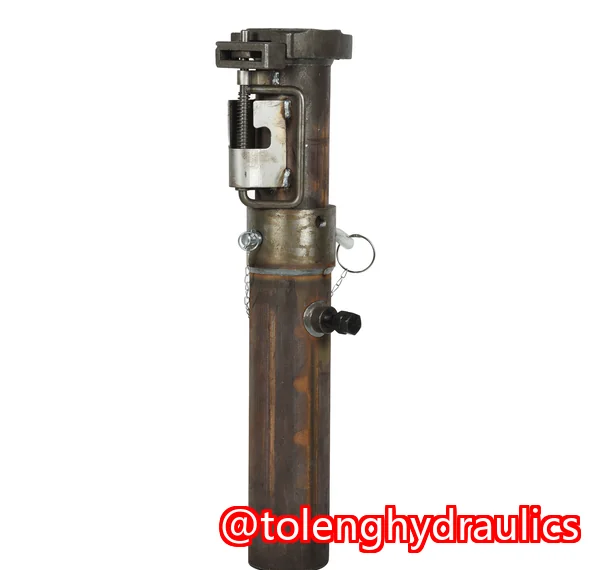
When I first started sourcing hydraulic components, I quickly realized that choosing the right hydraulic cylinder manufacturer can make or break your entire operation. A cylinder may look solid on the outside, but hidden issuespoor welding, subpar seals, or inconsistent materialscan lead to costly downtime, unexpected leaks, or even equipment failure in the field.
If you’ve ever dealt with a cylinder that failed weeks after installation, you know the frustration. Seal leakage under pressure, rods getting scratched during normal use, or mounting points cracking under loadthese are not just minor inconveniences. They directly impact productivity, safety, and maintenance budgets.
That’s why I always emphasize one thing: quality starts at the manufacturer.
At Toleng Hydraulics, the approach is simple but powerfulcontrol every step of the manufacturing process, maintain strict quality standards, and never compromise on materials or testing. In this guide, I’ll walk you through what a hydraulic cylinder is, how to evaluate its quality, and most importantly, how to choose a manufacturer you can trust.
Understanding What a Hydraulic Cylinder Really Does
At its core, a hydraulic cylinder converts fluid pressure into linear force and motion. It’s the muscle behind countless machinesexcavators, tractors, forklifts, presses, and industrial automation systems.
But not all cylinders are created equal.
Two cylinders may have the same dimensions and pressure rating on paper, yet perform very differently in real-world conditions. The difference lies in manufacturing quality, material selection, and quality control.
Common Problems I’ve Seen in Low-Quality Hydraulic Cylinders
Let’s start with the reality many buyers face when sourcing from unreliable suppliers.
I’ve personally encountered:
-
Seal leakage within weeks due to poor seal material or improper installation
-
Rod scoring and scratches caused by low-quality chrome plating
-
Cylinder bore wear due to inadequate honing precision
-
Weld failures under heavy load
-
Inconsistent dimensions, making installation difficult
These issues often stem from shortcuts in manufacturing or lack of proper inspection.
The good news? All of them are avoidableif you know what to look for.
What Sets a High-Quality Manufacturer Apart
When I evaluate a hydraulic cylinder supplier, I always look beyond the product itself. I look at how it’s made.
Here’s what truly matters.
Advanced Manufacturing Capabilities
A reliable manufacturer invests in the right equipmentand uses it consistently.
At Toleng Hydraulics, the production process includes:
-
Advanced CNC machining centers
These ensure precise tolerances for cylinder components. A poorly machined bore or rod can cause premature wear and seal failure.
-
Automatic welding equipment
Welding consistency is critical. Automated systems reduce human error and ensure strong, uniform welds that can handle high pressure.
-
Precision honing machines
The cylinder bore finish directly affects seal life. Proper honing creates a smooth, cross-hatched surface that retains lubrication and reduces friction.
-
Complete testing facilities
Manufacturing doesn’t stop at assembly. Every cylinder must be tested under real conditions.
From my experience, manufacturers who invest in these capabilities are far less likely to produce inconsistent or failure-prone cylinders.
Hydraulic Cylinder Quality Control: What Really Matters
This is where many suppliers fall short.
A polished exterior means nothing if there’s no structured quality control process behind it.
Here’s what I always look forand what Toleng implements rigorously:
Raw Material Inspection and Traceability
Every component starts with the right material.
-
Steel for tubes and rods must meet strict standards
-
Material certificates should be available
-
Full traceability ensures accountability
If a supplier can’t tell you where their materials come from, that’s a red flag.
In-Process Quality Checks
Quality shouldn’t be “checked at the end”it should be built into every step.
Key checkpoints include:
-
Dimensional accuracy after machining
-
Surface finish verification
-
Weld integrity inspections
This prevents defects from moving down the production line.
Final Pressure Testing (1.5x Working Pressure)
This is non-negotiable in my book.
Every cylinder should undergo pressure testing at 1.5 times its rated working pressure to ensure:
-
No internal leakage
-
Structural integrity under stress
-
Proper seal performance
If a manufacturer skips this step, you’re essentially taking a gamble.
Surface Finish and Coating Inspection
Rod finish plays a huge role in durability.
Look for:
-
Smooth chrome plating
-
No visible pits or imperfections
-
Consistent coating thickness
A poor finish can destroy seals quickly and lead to leakage.
Practical Hydraulic Cylinder Inspection Tips (What I Actually Check)
If you’re evaluating a cylinderwhether in a warehouse or before installationhere’s a quick checklist I use:
-
Rod surface: Run your hand lightly over it. It should feel perfectly smooth.
-
Weld seams: Look for uniformity and no visible cracks.
-
Mounting points: Check alignment and machining accuracy.
-
Bore finish (if visible): Should have a consistent honing pattern.
-
Seals: Ask about the type and brandcheap seals fail fast.
These simple checks can save you thousands in repairs later.
Customization: Why It Matters More Than You Think
Off-the-shelf cylinders work for standard applicationsbut many real-world situations require customization.
A professional manufacturer should offer:
-
Custom bore sizes and stroke lengths
Tailored to your equipment’s exact requirements
-
Special materials for harsh environments
For example, corrosion-resistant materials for marine or chemical applications
-
Various mounting styles
To ensure compatibility with your machinery
-
Special seal options
Different applications require different seal materialshigh temperature, high pressure, or abrasive environments
I’ve seen operations struggle simply because they tried to “make a standard cylinder fit” instead of getting the right one designed from the start.
Benefits of Working with a Professional Manufacturer
Over time, I’ve learned that choosing the right manufacturer isn’t just about product qualityit’s about long-term value.
Here’s what you gain:
Consistent Quality Assurance
No surprises. Every cylinder performs as expected.
Shorter Lead Times
Efficient production processes mean faster deliverycritical when downtime is costly.
Technical Support and Expertise
A good manufacturer doesn’t just sellthey advise.
Whether it’s selecting the right seal type or optimizing cylinder design, expert input makes a difference.
Cost-Effective Solutions
It may seem counterintuitive, but higher-quality cylinders often cost less in the long run.
Why?
-
Fewer failures
-
Less maintenance
-
Longer service life
Real-World Example: A Costly Lesson
I once worked with a contractor who chose a low-cost supplier for excavator cylinders. On paper, everything looked fine.
Within three months:
-
Multiple cylinders developed leaks
-
Rods showed visible scoring
-
Equipment downtime increased dramatically
The result? Replacement costs, lost productivity, and frustrated operators.
After switching to a manufacturer with proper hydraulic cylinder quality control, those issues disappeared.
Sometimes, the cheapest option ends up being the most expensive.
Final Thoughts: How to Choose with Confidence
By now, you can probably see a pattern.
A high-quality hydraulic cylinder isn’t defined by appearanceit’s defined by:
-
Precision manufacturing
-
Strict quality control
-
Reliable testing
-
Thoughtful customization
I highly recommend following these inspection guidelines to ensure any hydraulic cylinder purchase delivers long-term reliability and performance.
If you’re ready to source dependable cylinders backed by proven manufacturing processes:
-
Browse our selection of high-quality hydraulic cylinders: 🔗 https://tolenghydraulics.com/contact/
-
Download our complete hydraulic cylinder inspection checklist today
Frequently Asked Questions
What quality certifications do you have?
Most professional manufacturers provide ISO certifications and material certificates. At Toleng, full material traceability and certification are standard.
What is your typical production lead time?
Lead times vary depending on customization, but efficient in-house manufacturing allows for faster turnaround compared to outsourced production.
Do you offer custom designs?
Yes. Custom bore sizes, stroke lengths, mounting styles, and seal configurations are available to meet specific application needs.
What testing do you perform on each cylinder?
Every cylinder undergoes pressure testing at 1.5x its working pressure, along with inspections for leakage, structural integrity, and surface finish.
What is your minimum order quantity?
Minimum order quantities depend on the project, but flexible options are often available for both small and large orders.
Do you provide technical drawing support?
Absolutely. Engineering teams can assist with drawings, design optimization, and application-specific recommendations.
What materials do you use for cylinder tubes and rods?
High-grade steel is used for both tubes and rods, with chrome plating on rods for durability and corrosion resistance.
Tags / Keywords
hydraulic cylinder, manufacturer, manufacturing, factory, CNC machining, quality control, testing, inspection, custom design, OEM, lead time, certification, pressure testing, hydraulic cylinder materials

