
Custom Hydraulic Cylinder Manufacturer: How to Spot True Quality in Cylinders, Seals, Rod Finish, and Bore Size
Learn how to identify high-quality hydraulic cylinders, inspect seals, rod finish, and bore size to prevent failures and reduce downtime.
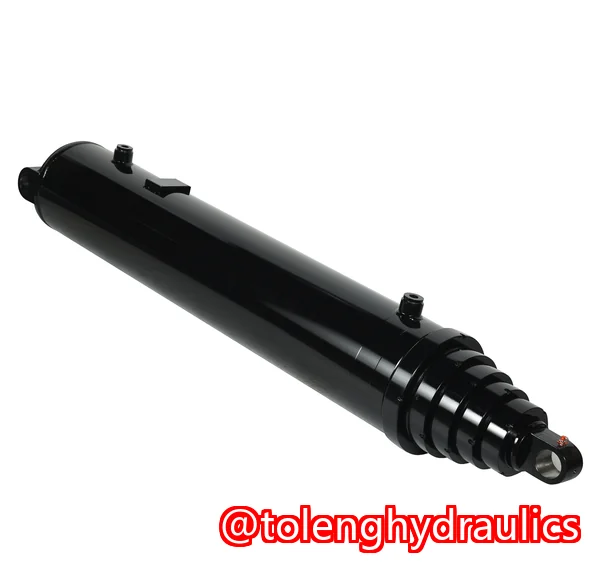
When purchasing hydraulic cylinders for heavy equipment, I’ve learned the hard way that not all cylinders are built to last. I’ve seen brand-new cylinders fail within weeksseals blowing out under pressure, rods getting scored, and leaks creeping in where they shouldn’t. In one case, a construction crew I worked with had to halt operations for two full days because a poorly manufactured cylinder failed on a loader. That’s not just frustratingit’s expensive.
The truth is, many cylinders look solid on the outside. Clean welds, shiny rods, decent paint. But appearance can be deceiving. If you don’t know what to look for beneath the surface, you’re gambling with your equipment uptime.
Over the years, I’ve developed a practical approach to evaluating hydraulic cylinder quality. And with guidance tools like Toleng hydraulics, it’s become much easier to separate high-quality cylinders from those that will cause headaches down the road.
The Real Challenges Buyers Face
Let’s start with the common pain points I see repeatedly across industriesfrom construction sites to agricultural operations and industrial plants.
1. “It looks good but is it actually good?”
This is probably the biggest issue. Many cylinders have a polished exterior, but internal qualitylike bore finish or seal compatibilityis where the real difference lies. You can’t judge a cylinder by paint and chrome alone.
2. Uncertainty around seals and materials
Seal failure is one of the top causes of hydraulic issues. Yet, many buyers don’t know what seal materials are used, or whether they’re suitable for their operating conditions (heat, pressure, contamination).
3. Inconsistent manufacturing quality
I’ve seen cylinders with uneven bore finishes, poorly plated rods, and weak welds. These inconsistencies lead to premature wear, leaks, and even safety risks.
That’s why having a structured inspection approach mattersand why I often point people toward Toleng hydraulics as a practical reference for understanding cylinder quality control.
How I Evaluate Hydraulic Cylinder Quality (Step-by-Step)
Let’s break this down into real-world inspection steps you can apply before purchasingor even when receiving a new cylinder.
1. Start with the Cylinder Tube and Bore Finish
The cylinder tube is the foundation. If this isn’t right, nothing else matters.
What I look for:
-
Material quality: Is it high-strength steel suitable for pressure loads?
-
Internal bore finish: A smooth, consistent finish reduces seal wear and improves efficiency.
Why it matters:
A rough or inconsistent bore finish will tear up seals quickly. I’ve seen cylinders fail in less than a month due to poor honing.
Practical tip:
If possible, request:
-
Bore roughness specifications (Ra values)
-
Honing process details
Even if you can’t measure it yourself, asking these questions often reveals how serious a manufacturer is about quality.
2. Inspect the Piston Rod: Hardness and Chrome Plating
The piston rod is constantly exposed to harsh conditionsdust, debris, moisture, and mechanical stress.
Key checks:
-
Rod hardness: Should be properly heat-treated for strength.
-
Chrome plating thickness: Thin plating wears quickly.
-
Surface finish: Smooth and free from pits or scratches.
Real-world example:
On an agricultural machine, I once saw a rod with inadequate chrome plating start pitting after just one season. That quickly destroyed the seals and led to oil leakage.
What I recommend:
-
Look for consistent chrome coverage
-
Run your hand (carefully) along the rodany roughness is a red flag
-
Check for straightness by rolling the rod on a flat surface if possible
3. Evaluate Seal Quality and Compatibility
Seals are often overlookedbut they’re critical.
Common issues I’ve encountered:
-
Cheap materials that harden or crack
-
Incorrect seal types for pressure or temperature
-
Poor installation leading to early failure
What to check:
-
Seal material (e.g., polyurethane, NBR, PTFE)
-
Compatibility with your application (temperature, fluid type)
-
Proper fit and installation
Signs of poor seal quality:
-
Visible deformation
-
Uneven edges
-
Oil residue around seal areas (even before use)
Toleng hydraulics provides helpful guidance on hydraulic seal types, making it easier to match seals to your specific use case.
4. Check Weld Quality on Cylinder Ends and Mounts
This is one area where shortcuts are surprisingly common.
Why it matters:
Weak welds can fail under load, especially in high-pressure or dynamic applications like construction equipment.
What I look for:
-
Smooth, consistent weld beads
-
No visible cracks or porosity
-
Proper alignment of mounts
Quick field test:
Visually inspect welds under good lighting. If something looks uneven or rushed, trust your instinctsit probably is.
5. Verify Bore Size, Stroke Length, and Dimensions
Getting the dimensions right is just as important as quality.
How I measure bore size:
-
Use an internal micrometer or bore gauge
-
Measure at multiple points to check consistency
For rod diameter:
-
Use a caliper or micrometer
-
Ensure it matches specifications exactly
Stroke length check:
-
Fully extend and retract the cylinder
-
Measure the travel distance
Why this matters:
Incorrect dimensions can lead to:
-
Improper fit
-
Reduced efficiency
-
Increased wear
6. Inspect Ports, Threads, and Fittings
This might seem minorbut it can cause major headaches.
Common problems:
-
Poorly cut threads
-
Misaligned ports
-
Weak fittings
What I check:
-
Clean, well-defined threads
-
No burrs or damage
-
Proper alignment with hoses and fittings
A bad port connection can lead to leaks or even system failure under pressure.
The Benefits of Doing This Right
Taking the time to inspect and verify hydraulic cylinder quality pays offevery single time.
Here’s what I’ve seen firsthand:
-
Less downtime: Reliable cylinders keep machines running.
-
Lower maintenance costs: Fewer replacements, fewer repairs.
-
Longer service life: High-quality components last significantly longer.
-
Improved safety: Reduced risk of sudden failures.
In industries like construction and material handling, where every hour counts, these benefits aren’t optionalthey’re essential.
Real-World Application Scenarios
Let’s put this into context.
Construction equipment:
Excavators and loaders operate under extreme loads. A low-quality cylinder can fail mid-operation, halting the entire job.
Agricultural machinery:
Dust, moisture, and long operating hours demand durable rods and seals. Poor quality leads to constant maintenance.
Industrial automation:
Precision matters. Inconsistent bore finishes or seal issues can affect performance and accuracy.
Mobile hydraulics:
From dump trucks to cranes, reliability is non-negotiable. One failure can impact multiple operations.
Why I Recommend Using a Structured Guide
Over time, I’ve realized that having a checklist or structured inspection process makes all the difference. That’s where Toleng hydraulics stands outit provides a clear, practical guide for evaluating cylinder quality without overcomplicating things.
Instead of guessing, you’re making informed decisions based on real inspection criteria.
Final Thoughts and Recommendation
At the end of the day, choosing the right hydraulic cylinder isn’t just about specs on paper. It’s about understanding how those specs translate into real-world performance.
I always go back to the basics:
-
Check the bore finish
-
Inspect the rod quality
-
Verify seal materials
-
Examine weld integrity
-
Confirm dimensions and fittings
I highly recommend following these inspection guidelines to ensure any hydraulic cylinder purchase delivers long-term reliability and performance.
If you’re looking for a trusted reference or want to simplify your evaluation process:
Browse our selection of high-quality hydraulic cylinders: 🔗 https://tolenghydraulics.com/contact/
Download our complete hydraulic cylinder inspection checklist today.
Frequently Asked Questions
1. How can I tell if a hydraulic cylinder has quality seals?
Look for consistent shape, proper material labeling, and compatibility with your operating conditions. Poor seals often show early signs of leakage or deformation.
2. What rod surface finish is best for long seal life?
A smooth, polished finish with proper chrome plating is ideal. Rough or uneven surfaces will quickly damage seals.
3. How do I measure bore size and stroke length correctly?
Use a bore gauge for internal diameter and measure at multiple points. For stroke length, measure the full extension distance of the rod.
4. What are the signs of a poorly manufactured cylinder?
Common signs include rough bore finishes, thin chrome plating, weak welds, poor thread quality, and inconsistent dimensions.
5. Which cylinder mounting styles are strongest?
Welded mounts are generally stronger for heavy-duty applications, while tie-rod designs offer easier maintenance.
6. How do I choose between welded and tie-rod cylinders?
Choose welded cylinders for rugged environments and high loads. Tie-rod cylinders are better for controlled environments where maintenance access is important.
7. What chrome plating thickness should I look for on rods?
Thicker plating generally offers better corrosion resistance and durability. Always ask for specifications from the manufacturer.
Tags / Keywords
hydraulic cylinder, cylinder seals, rod finish, bore size, hydraulic cylinder maintenance, cylinder inspection, welded hydraulic cylinder, tie-rod cylinder, hydraulic cylinder buying guide, cylinder failure prevention, hydraulic cylinder materials

