
Aluminum Hydraulic Cylinders: Are They Worth It for Long-Term Reliability?
Meta Description: Learn how to identify high-quality hydraulic cylinders, inspect seals and rod finishes, and avoid premature failures when evaluating aluminum hydraulic cylinders.
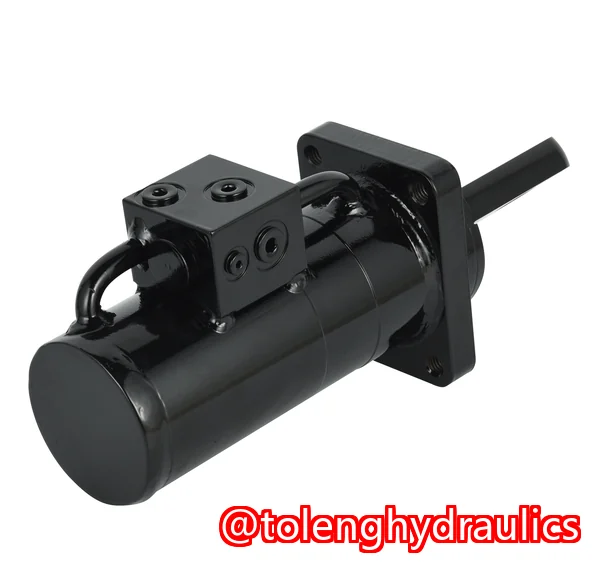
Hydraulic cylinders don’t usually get much attentionuntil one fails.
I’ve seen it happen more times than I can count. A construction crew is halfway through a project when suddenly the excavator’s boom won’t hold position. Oil starts dripping from the cylinder gland, the machine goes offline, and the entire jobsite grinds to a halt. What seemed like a minor component becomes the reason a project falls behind schedule.
In many cases, the problem isn’t the hydraulic system itself. It’s the cylinder quality.
Premature seal failure, rod scoring, and internal bore wear can show up far sooner than expected if the cylinder wasn’t built properly. And lately, more buyers are asking about aluminum hydraulic cylinders as a lightweight alternative to traditional steel designs. They promise reduced weight and corrosion resistancebut are they really worth it?
After working with engineers, equipment owners, and maintenance teams across construction, agriculture, and industrial automation, I’ve learned one thing: the material alone doesn’t determine whether a cylinder will perform well. What matters most is how the cylinder is manufactured, inspected, and maintained.
Let’s walk through how to evaluate cylinder quality properlyespecially when aluminum cylinders are part of the conversation.
The Real Challenge: Identifying True Hydraulic Cylinder Quality
At first glance, most hydraulic cylinders look nearly identical.
A freshly painted barrel, a polished piston rod, and a set of ports for hydraulic connections. But appearances can be misleading. Two cylinders that look the same externally may perform very differently once installed in heavy equipment.
Here are a few common problems buyers encounter when sourcing cylinders.
1. Good Appearance, Poor Internal Quality
One of the biggest challenges in hydraulic cylinder inspection is that the most important components are hidden inside the cylinder.
A cylinder might have a beautiful exterior finish but still suffer from:
-
Rough internal bore surfaces
-
Low-quality piston seals
-
Poor chrome plating on the rod
-
Misaligned welds or mounting points
These issues often don’t show up until the cylinder has already been installed and placed under load.
For example, a rough cylinder bore finish can quickly damage seals. Once the seals wear prematurely, hydraulic fluid leaks internally or externally, reducing force and causing erratic movement.
That’s why visual inspection alone isn’t enough.
2. Uncertainty About Seal Materials
Seal quality plays a massive role in cylinder reliability.
Unfortunately, many buyers have little visibility into what seal materials are used. Lower-cost cylinders sometimes use generic seals that aren’t suited for the operating temperature or pressure of the machine.
Poor seal selection can lead to:
-
Rapid seal wear
-
Fluid leakage
-
Reduced hydraulic efficiency
-
Frequent maintenance shutdowns
Understanding hydraulic seal types and their applications is one of the most valuable skills maintenance teams can develop.
3. Rod Damage and Surface Defects
The piston rod may look shiny and smooth, but the quality of the rod chrome plating and surface finish determines how well seals will perform.
If the chrome layer is too thin or uneven, the rod can:
-
Scratch easily
-
Corrode in harsh environments
-
Damage seals during operation
Rod surface defects are a surprisingly common cause of early cylinder failure.
Where Aluminum Hydraulic Cylinders Fit In
Aluminum hydraulic cylinders are gaining attention because they offer several advantages over traditional steel cylinders.
The most obvious benefit is weight reduction. Aluminum components can significantly reduce overall equipment weight, which is especially useful in:
-
Mobile hydraulic systems
-
Agricultural equipment
-
Material handling machinery
-
Lightweight industrial automation systems
Less weight can improve fuel efficiency and make equipment easier to maneuver.
Another benefit is corrosion resistance. Aluminum performs well in environments where steel might rust, such as coastal regions or humid agricultural settings.
However, aluminum cylinders must be manufactured carefully. The internal bore finish, sealing surfaces, and rod support structure must be precisely machined to ensure durability.
That’s why having a reliable inspection framework is critical.
Resources like Toleng hydraulics’ hydraulic cylinder inspection guide are designed to help engineers and buyers evaluate these factors before making a purchase decision.
How I Evaluate Hydraulic Cylinder Quality
Over time, I’ve developed a practical checklist for inspecting cylinders. Whether the cylinder body is aluminum or steel, the same core quality indicators apply.
Let’s walk through the most important ones.
1. Inspect the Cylinder Tube and Bore Finish
The cylinder bore is where the piston seals operate, so its surface condition directly affects seal life.
When evaluating cylinder quality, I always check:
-
Material quality of the tube
-
Uniform internal machining
-
Smoothness of the bore surface
A properly finished bore should feel smooth and consistent. Any machining marks, ridges, or irregularities can accelerate seal wear.
Poor bore finishing is one of the most common causes of early hydraulic cylinder failure.
Practical Tip
If possible, ask the manufacturer for information about the honing process used to finish the bore. Precision honing ensures the surface pattern retains lubrication while minimizing friction.
2. Evaluate the Piston Rod Quality
The piston rod handles high loads and constant movement. A poorly manufactured rod can destroy seals and compromise cylinder performance.
Key things I always check include:
Rod hardness
A hardened rod resists scratching and bending under heavy loads.
Chrome plating thickness
Thicker chrome plating improves corrosion resistance and durability. Thin plating tends to wear quickly.
Rod surface finish
The surface should be perfectly smooth. Even tiny imperfections can damage seals over time.
Quick Inspection Method
Run a clean cloth along the rod surface. If the cloth catches on anything, there may be surface defects that could shorten seal life.
3. Verify Seal Types and Materials
Choosing the right hydraulic seal types is critical for cylinder longevity.
Different applications require different seal materials. For example:
-
Polyurethane seals are excellent for high pressure systems.
-
Nitrile seals work well for general hydraulic fluids.
-
PTFE seals handle higher temperatures and lower friction environments.
When inspecting a cylinder or reviewing specifications, I look for clarity on seal materials.
If a supplier can’t tell you what seals are used, that’s usually a warning sign.
4. Check Weld Quality on Cylinder Ends
Hydraulic cylinders experience tremendous forces, especially in construction equipment and heavy machinery.
The mounting endssuch as clevises or trunnionsmust be welded properly.
Signs of strong weld quality include:
-
Smooth weld beads
-
No visible cracks or porosity
-
Consistent weld penetration
Poor welds can eventually fail under repeated load cycles, which is extremely dangerous in high-pressure hydraulic systems.
5. Measure Bore Size and Rod Diameter
One simple but often overlooked step in hydraulic cylinder inspection is verifying the cylinder’s actual dimensions.
Manufacturing tolerances matter.
Even small dimensional differences can affect performance, pressure ratings, and seal compatibility.
How I Measure Bore Size
-
Use a calibrated internal micrometer or bore gauge.
-
Measure at several points along the bore length.
-
Check for taper or uneven wear.
Consistency is key.
6. Inspect Port Threads and Fittings
Hydraulic ports must be properly machined to ensure leak-free connections.
I always check for:
-
Clean, well-cut threads
-
No burrs or metal fragments
-
Proper thread depth
Poorly machined ports can cause leaks, fitting failures, or contamination in the hydraulic system.
Why Proper Inspection Matters
Skipping these checks can lead to serious consequences.
I’ve seen machines sidelined for days because of cylinder issues that could have been detected during initial inspection.
A high-quality cylinder helps you:
-
Maximize equipment uptime
-
Reduce maintenance costs
-
Prevent hydraulic fluid leaks
-
Ensure operator safety
For procurement specialists and maintenance engineers, these benefits quickly translate into lower operational costs.
Real-World Example from Equipment Maintenance
A maintenance manager I worked with once replaced several cylinders on a material handling machine.
The replacement cylinders looked great out of the box. Fresh paint. Smooth rods. Everything appeared fine.
But within three months, multiple cylinders started leaking.
After inspection, the issue became clear: the rods had thin chrome plating, and the bore surfaces were poorly finished. The seals wore out prematurely because of excessive friction.
The company eventually switched suppliers and adopted a formal cylinder quality control checklist before installation.
Since then, they’ve experienced far fewer failures.
The Value of a Reliable Inspection Guide
This is exactly why inspection tools and educational resources are so valuable.
Guides like those provided by Toleng hydraulics help equipment owners and engineers evaluate:
-
Cylinder materials
-
Seal design
-
Bore quality
-
Rod durability
-
Mounting styles
Instead of relying on appearance alone, buyers can make informed decisions based on measurable quality factors.
Final Thoughts
So, are aluminum hydraulic cylinders worth it?
In many cases, yesespecially when weight reduction and corrosion resistance are important. But the material alone doesn’t guarantee reliability.
The true measure of a cylinder’s value comes down to manufacturing quality, proper inspection, and correct application.
Whenever I evaluate a hydraulic cylinderwhether it’s aluminum or steelI follow the same core inspection steps:
-
Examine the cylinder bore finish
-
Verify rod chrome plating and hardness
-
Check seal materials and design
-
Inspect welds and mounting integrity
-
Measure bore and rod dimensions accurately
These steps help prevent costly equipment failures and ensure long-term performance.
I highly recommend following these inspection guidelines to ensure any hydraulic cylinder purchase delivers long-term reliability and performance.
Browse our selection of high-quality hydraulic cylinders:
🔗 https://tolenghydraulics.com/contact/
Download our complete hydraulic cylinder inspection checklist today and make your next cylinder purchase with confidence.
FAQ
How can I tell if a hydraulic cylinder has quality seals?
Quality seals are typically made from materials suited to the system’s pressure and temperature. Ask the manufacturer about the exact seal materials used and ensure they match the application requirements.
What rod surface finish is best for long seal life?
A smooth, polished surface with consistent chrome plating provides the best seal performance. The rod should be free of scratches, pits, or machining marks.
How do I measure bore size and stroke length correctly?
Use an internal bore gauge to measure the cylinder bore at multiple points. Stroke length can be measured by extending the rod fully and measuring the distance from the gland to the piston end.
What are the signs of a poorly manufactured cylinder?
Common indicators include rough bore surfaces, uneven chrome plating, poor weld quality, leaking ports, and inconsistent dimensions.
Which cylinder mounting styles are strongest?
Trunnion and clevis mounts are commonly used for heavy-duty applications because they distribute loads effectively and reduce stress on the cylinder body.
How do I choose between welded and tie-rod cylinders?
Tie-rod cylinders are easier to service and commonly used in industrial machinery. Welded cylinders are typically stronger and better suited for mobile equipment and construction machinery.
What chrome plating thickness should I look for on rods?
High-quality rods generally have thicker chrome plating that improves wear resistance and corrosion protection. Manufacturers should be able to provide plating specifications upon request.
Tags / Keywords
hydraulic cylinder quality, cylinder seals, rod finish, bore size, hydraulic cylinder maintenance, cylinder inspection, welded hydraulic cylinder, tie-rod cylinder, hydraulic cylinder buying guide, cylinder failure prevention, hydraulic cylinder materials, rod chrome plating

