
How to Detect Internal Leakage in Hydraulic Cylinders and Prevent Failure
Learn practical methods to detect internal leakage in hydraulic cylinders and evaluate cylinder quality to prevent downtime, seal failure, and costly equipment repairs.
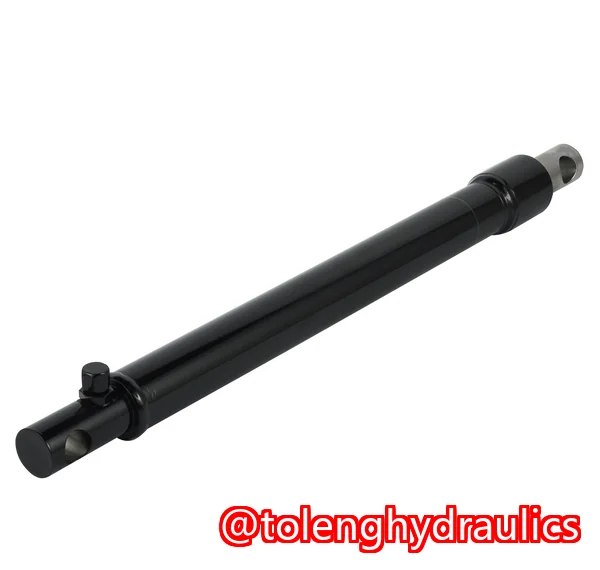
Anyone who has worked around heavy equipment long enough has experienced it. A machine that used to lift smoothly suddenly begins to drift. The boom on an excavator slowly lowers even though the controls haven’t been touched. A loader struggles to hold a load it handled easily just weeks ago.
At first, many operators assume the hydraulic pump is failing. Others suspect contaminated oil. But after years of working with construction machinery, agricultural equipment, and industrial hydraulics, I’ve learned that the real culprit is often something far more subtle: internal leakage inside the hydraulic cylinder.
The frustrating part? Internal leakage isn’t always obvious. You might not see external oil dripping. There may be no visible cracks or damaged fittings. Yet the cylinder simply won’t perform like it should.
For equipment owners, maintenance engineers, and procurement teams, understanding how to detect internal leakageand how to evaluate hydraulic cylinder quality before purchasingis essential. A poorly manufactured cylinder can fail prematurely, leading to downtime, expensive repairs, and lost productivity.
In this guide, I’ll walk through practical ways to identify internal leakage, inspect cylinder construction, and verify whether a hydraulic cylinder is truly built for long-term reliability.
Why Internal Leakage Is a Hidden but Serious Problem
External leaks are easy to spot. Oil on the ground or a wet rod surface is a clear sign something needs attention.
Internal leakage, however, occurs inside the cylinder between the piston seals and the cylinder bore. Hydraulic fluid bypasses the piston instead of pushing it, which reduces the cylinder’s ability to hold pressure.
When this happens, you might notice symptoms such as:
-
Equipment slowly drifting under load
-
Reduced lifting capacity
-
Jerky or inconsistent cylinder movement
-
Cylinders overheating during operation
-
Increased cycle times
Left unresolved, internal leakage can accelerate wear on other hydraulic components, including pumps and valves.
In real-world operationsespecially in construction or agricultural environmentsthis can mean unexpected downtime during critical work periods.
Common Challenges When Evaluating Hydraulic Cylinders
When sourcing replacement cylinders or specifying new ones for equipment, many buyers face similar challenges.
1. Appearance Can Be Misleading
A shiny chrome rod and fresh paint don’t guarantee quality. I’ve inspected cylinders that looked excellent externally but had poor cylinder bore finish or weak internal components.
The problem is that many critical featuressuch as bore machining and seal qualityare hidden inside the cylinder.
Without proper inspection knowledge, it can be difficult to distinguish between a durable cylinder and a cheaply manufactured one.
2. Uncertainty About Seal Materials
Another common issue is not knowing what hydraulic seal types are actually used.
Cylinder seals play a critical role in preventing internal leakage. Low-quality seals or incorrect materials can degrade quickly, especially in applications involving:
-
High pressure
-
Temperature fluctuations
-
Contaminated environments
-
High cycle frequencies
Poor seal selection is one of the leading causes of premature cylinder failure.
3. Inconsistent Rod Finish and Chrome Plating
The piston rod is constantly sliding through seals during operation. If the rod finish is too roughor if the chrome plating is too thinthe seals will wear out quickly.
Over time, this creates a pathway for internal leakage.
Unfortunately, rod surface quality is often overlooked during purchasing decisions.
A Practical Approach to Hydraulic Cylinder Inspection
Over the years, I’ve found that a structured inspection process makes it much easier to evaluate cylinder quality.
Resources like Toleng hydraulics provide helpful inspection guidance for engineers and equipment buyers who want to verify cylinder construction before installation.
Instead of relying on appearance alone, I recommend checking several critical areas.
Step 1: Inspect the Cylinder Tube and Bore Finish
The cylinder bore finish directly affects seal performance.
A properly machined bore ensures the piston seals maintain consistent contact with the cylinder wall. If the surface is too rough, seals wear prematurely. If it’s too smooth, lubrication may not distribute properly.
When evaluating a cylinder:
-
Ask about the tube material and manufacturing process
-
Confirm whether the bore is honed to precision tolerance
-
Look for consistent internal surface finishing
High-quality cylinders typically use precision honing to achieve a controlled surface pattern that supports seal lubrication.
Poor bore quality is one of the most common causes of internal leakage.
Step 2: Evaluate the Piston Rod Quality
The piston rod takes constant mechanical stress and exposure to contaminants.
A durable rod should have:
-
High tensile strength steel
-
Proper heat treatment
-
Thick chrome plating
-
Smooth surface finish
In many industrial cylinders, chrome plating thickness ranges between 2030 microns or more, depending on the application.
When inspecting a rod, check for:
-
Surface scratches
-
Pitting or corrosion
-
Uneven chrome finish
-
Straightness of the rod
Even small defects can quickly damage seals and lead to leakage.
Step 3: Examine Seal Quality and Configuration
Hydraulic cylinders typically use several seals, including:
-
Piston seals
-
Rod seals
-
Wiper seals
-
Wear rings
Each seal serves a specific purpose.
For example:
-
Piston seals prevent internal bypass between chambers.
-
Rod seals stop external oil leakage.
-
Wipers prevent dirt from entering the cylinder.
If the piston seal material isn’t suitable for the application, internal leakage may appear after only a short period of operation.
High-quality cylinders use seals designed for the working pressure, temperature, and environment.
Step 4: Check Weld Quality and Mounting Points
Cylinder mounts experience heavy mechanical loads.
Common mounting styles include:
-
Clevis mounts
-
Trunnion mounts
-
Flange mounts
When inspecting welds, look for:
-
Smooth, uniform weld beads
-
No visible cracks or porosity
-
Proper alignment between components
Weak welds can lead to cylinder misalignment, which increases rod and seal wear.
That misalignment often results in internal leakage over time.
Step 5: Verify Bore Size and Stroke Length
Another critical step is confirming the bore size and stroke length.
Incorrect dimensions can reduce system efficiency and place additional strain on the cylinder.
To measure bore size accurately:
-
Remove the cylinder end cap (if possible).
-
Use an internal micrometer or bore gauge.
-
Measure the diameter at multiple points along the tube.
This helps detect irregular machining or wear.
Stroke length can be measured by fully extending the rod and measuring the travel distance between retracted and extended positions.
Step 6: Inspect Hydraulic Ports and Threads
While often overlooked, poorly machined hydraulic ports can cause major problems.
Check for:
-
Clean, well-cut threads
-
Proper port alignment
-
No metal burrs inside the fitting
Damaged threads may lead to contamination entering the hydraulic system, which can accelerate seal wear and cause leakage.
Real-World Example: Diagnosing Internal Leakage
I once worked with a maintenance team at a material handling facility where a hydraulic lift repeatedly failed load tests.
The pump pressure checked out fine. Valves were operating correctly. Yet the lift slowly drifted downward under load.
After removing the cylinder and performing a bench test, we discovered internal piston seal failure caused by poor bore finishing.
The cylinder had been sourced from a low-cost supplier. While it looked fine externally, the internal machining quality was inconsistent.
Replacing it with a properly manufactured cylinder solved the issue immediately.
This situation reinforced an important lesson: cylinder quality control matters far more than initial price.
Benefits of Proper Hydraulic Cylinder Inspection
Taking the time to evaluate cylinders carefully can provide several long-term advantages.
Reduced Equipment Downtime
High-quality cylinders are less likely to experience seal failure or internal leakage.
This keeps machines operating reliably during demanding work schedules.
Lower Maintenance Costs
Identifying poor construction before installation prevents expensive repairs later.
A reliable cylinder may operate for thousands of cycles before requiring maintenance.
Improved Equipment Safety
Unexpected cylinder failure can create serious safety hazards.
Proper inspection helps ensure the hydraulic system performs consistently under load.
Better Purchasing Decisions
For procurement specialists, understanding hydraulic cylinder inspection techniques makes it easier to evaluate suppliers and avoid unreliable products.
Key Signs of Internal Leakage During Operation
Even with proper inspection, cylinders can wear over time.
Watch for these warning signs:
-
Load drifting while controls are neutral
-
Slower cylinder extension or retraction
-
Increased oil temperature
-
Reduced lifting capacity
-
Unusual hydraulic noises
When these symptoms appear, performing a cylinder leakage test is often necessary.
Final Thoughts
Hydraulic cylinders may appear simple on the outside, but their internal construction plays a huge role in equipment reliability.
From bore finishing and rod chrome plating to seal materials and weld integrity, every component affects long-term performance.
Over the years, I’ve found that following a consistent inspection process is the best way to prevent surprises. Carefully evaluating materials, seals, rod quality, and mounting integrity helps ensure a cylinder will perform reliably in demanding environments.
I highly recommend following these inspection guidelines to ensure any hydraulic cylinder purchase delivers long-term reliability and performance.
If you’re looking for additional guidance or reliable components, browse our selection of high-quality hydraulic cylinders:
🔗 https://tolenghydraulics.com/contact/
You can also download our complete hydraulic cylinder inspection checklist today to simplify your maintenance and purchasing decisions.
FAQ
How can I tell if a hydraulic cylinder has quality seals?
High-quality cylinders typically use seals made from durable materials such as polyurethane, PTFE, or nitrile rubber designed for specific pressure ranges. Ask the supplier for seal specifications and confirm they match your operating conditions.
What rod surface finish is best for long seal life?
A smooth rod surface with consistent chrome plating is ideal. Rough surfaces accelerate seal wear, while proper finishing reduces friction and extends seal life.
How do I measure bore size and stroke length correctly?
Use an internal bore gauge or micrometer to measure the cylinder tube diameter at multiple points. For stroke length, fully extend the piston rod and measure the distance traveled from retracted to extended positions.
What are the signs of a poorly manufactured cylinder?
Common signs include uneven welds, rough chrome plating on the rod, poorly cut hydraulic port threads, inconsistent bore finish, and lack of documentation regarding materials and seals.
Which cylinder mounting styles are strongest?
Flange mounts and trunnion mounts are typically stronger for heavy loads because they distribute forces evenly across the cylinder body.
How do I choose between welded and tie-rod cylinders?
Tie-rod cylinders are easier to service and commonly used in industrial machinery. Welded cylinders are more compact and often used in mobile equipment such as construction machines.
What chrome plating thickness should I look for on rods?
Most high-quality hydraulic cylinders use chrome plating thickness of 2030 microns or greater, depending on operating conditions. Thicker plating generally provides better corrosion resistance and durability.
Tags / Keywords
hydraulic cylinder quality
cylinder seals
rod finish
bore size
hydraulic cylinder maintenance
cylinder inspection
welded hydraulic cylinder
tie-rod cylinder
hydraulic cylinder buying guide
cylinder failure prevention
hydraulic cylinder materials
hydraulic cylinder inspection

