
How to Pack a Hydraulic Cylinder: Tools and Techniques
When it comes to keeping heavy machinery running smoothly, few components are as crucial as hydraulic cylinders. These powerful devices control the motion of a wide range of equipment, from construction cranes to agricultural machinery. But over time, even the best hydraulic cylinders can experience wear and tear, leading to potential downtime and expensive repairs. One of the most common issues that cause hydraulic cylinders to fail prematurely is improper packing. So, how can you ensure that your hydraulic cylinder stays in top condition? In this post, I’ll walk you through the essential tools and techniques for packing a hydraulic cylinder to maximize its lifespan, improve performance, and avoid costly repairs.
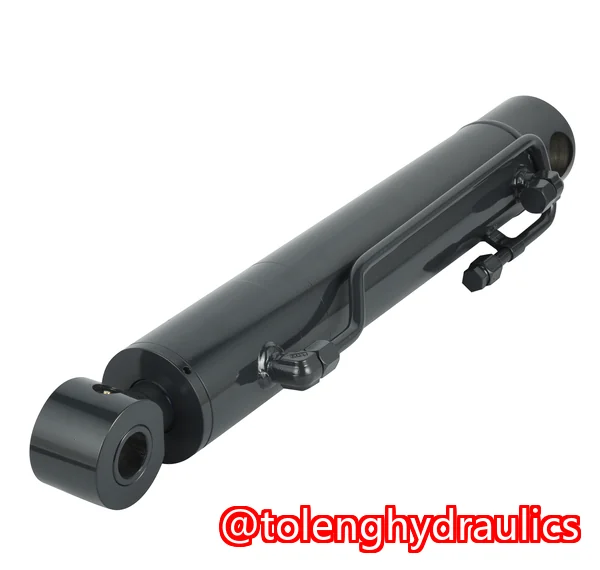
Understanding the Importance of Packing in Hydraulic Cylinders
Before diving into the tools and techniques, it’s essential to understand why packing is so critical for hydraulic cylinders. The packing, or seal, plays a crucial role in preventing leaks, maintaining pressure, and ensuring that the cylinder operates efficiently. A high-quality packing system reduces friction, prevents contamination from entering the system, and helps the cylinder’s moving parts perform smoothly.
However, when packing fails, it can cause issues like:
-
Seal leakage: If the packing is not properly installed, it can lead to fluid leakage, which decreases system efficiency.
-
Rod damage: Poor packing can cause excessive wear on the rod surface, resulting in increased maintenance costs and possible system failure.
-
Loss of pressure: Improper packing can lead to a loss of hydraulic pressure, making the system less effective and more prone to damage.
Packing a hydraulic cylinder correctly is a critical step in ensuring that the hydraulic system performs as expected, especially in heavy-duty applications where reliability is key.
Tools You’ll Need for Packing a Hydraulic Cylinder
Packing a hydraulic cylinder isn’t a task that should be taken lightly, and having the right tools can make all the difference. Here’s a rundown of the essential tools you’ll need for the job:
-
Seal Installation Tools
-
Seal Drivers: These are specialized tools designed to install seals evenly, without damaging them.
-
Ring Compressors: Useful for compressing O-rings or packing rings to make installation easier.
-
-
Torque Wrench
Ensures that bolts are tightened to the correct torque specification, preventing over-tightening or under-tightening, both of which can lead to problems.
-
Micrometer or Caliper
A caliper helps you measure the rod and bore dimensions accurately, ensuring that you select the right size packing and seals.
-
Cylinder Cleaner
Keeping the cylinder clean during the packing process is essential to avoid contaminating the system. Use a lint-free cloth and a cleaner that is compatible with hydraulic fluid.
-
Lubricants
Use a suitable lubricant for the seals and packing to ensure smooth installation and prevent wear on the components during the initial operation.
-
Gasket Cutter
If you’re working with custom seals or gaskets, a gasket cutter will help you shape them to the correct size.
Step-by-Step Process for Packing a Hydraulic Cylinder
Now that you know what tools you need, let’s get into the step-by-step process for packing a hydraulic cylinder. Follow these steps carefully to ensure that your cylinder will operate efficiently and last longer.
1. Disassemble the Cylinder
Start by safely disassembling the hydraulic cylinder. Remove the gland nut, piston, and other components, ensuring that each part is clean and free of debris. Pay close attention to the condition of the seals and packing that you’re replacing. This is also a good time to inspect the rod and bore for any damage or wear that might require additional repairs.
2. Clean the Cylinder Components
Before packing the cylinder, thoroughly clean all parts, especially the cylinder tube and piston rod. Use a non-abrasive cleaner and a lint-free cloth to wipe away any dirt, debris, or old sealant. This step ensures that no contaminants are left inside the system, which could cause premature damage once the cylinder is reassembled.
3. Inspect and Measure Key Components
Once the cylinder is cleaned, it’s time to measure critical components like the rod diameter and bore size. Using a micrometer or caliper, measure the rod’s surface finish, and inspect the bore for any scratches or scoring. The quality of the bore finish and the rod’s surface condition are key factors that affect packing longevity. If there are signs of excessive wear, consider replacing the rod or honing the bore before proceeding.
4. Select the Right Packing and Seals
Choosing the right packing material is vital for the longevity and performance of your hydraulic cylinder. Not all seals and packing materials are the same, and the wrong choice can lead to seal failure, leaks, and downtime. Look for the following when selecting your packing materials:
-
Seal Type: For heavy-duty applications, consider using seals made from high-quality materials like polyurethane, PTFE, or NBR rubber.
-
Rod Surface Finish: The finish of the rod plays a significant role in the seal’s lifespan. Smooth, well-polished rods are less likely to damage seals and cause leaks.
-
Seal Lubrication: Make sure the seals are properly lubricated with compatible hydraulic fluid or grease to prevent friction and heat buildup.
5. Install the Packing
With the cylinder components cleaned, measured, and the right seals selected, it’s time to install the packing. Using seal drivers or ring compressors, carefully install the seals into the gland and around the piston. Ensure that each seal is installed evenly and securely without twisting or pinching. It’s crucial to follow the manufacturer’s specifications for installation depth and compression to avoid packing failure.
6. Reassemble the Cylinder
Once the packing is installed, carefully reassemble the hydraulic cylinder. Use a torque wrench to tighten all fasteners to the manufacturer’s specified torque values. Be cautious not to overtighten, as this can damage the seals and cause leaks.
7. Test the Cylinder
After reassembly, test the hydraulic cylinder to ensure that everything functions correctly. Check for leaks, and verify that the cylinder operates smoothly under pressure. If you notice any issues, disassemble the cylinder again and check the packing and seals for proper installation.
Why Packing Quality Matters: Real-World Scenarios
The quality of the packing used in hydraulic cylinders directly impacts the equipment’s performance. For example, in the construction industry, hydraulic cylinders in cranes are constantly exposed to extreme conditions. A cylinder with poor-quality seals can experience catastrophic failure, resulting in costly downtime and repairs. By investing in high-quality packing materials and following proper packing procedures, you can significantly reduce the risk of unexpected breakdowns.
In agriculture, the same principle applies. Tractors and harvesters rely on hydraulic cylinders for lifting, steering, and other critical functions. A failure in the hydraulic system during peak harvest season can lead to significant productivity losses. Proper packing ensures that the cylinders continue to operate efficiently, minimizing the risk of costly delays.
Conclusion: The Key to Long-Term Hydraulic Cylinder Performance
Packing a hydraulic cylinder is a precise and essential task that requires the right tools, attention to detail, and knowledge of best practices. By selecting high-quality seals, thoroughly inspecting key components, and following the correct packing techniques, you can extend the life of your hydraulic cylinders and improve the reliability of your machinery.
I highly recommend following these inspection guidelines to ensure any hydraulic cylinder purchase delivers long-term reliability and performance. If you’re looking for high-quality hydraulic cylinders, visit 🔗 Toleng Hydraulics and browse our wide range of products designed to meet the toughest industry standards.
Download Our Hydraulic Cylinder Inspection Checklist Today!
FAQ: Common Questions About Hydraulic Cylinder Packing
1. How can I tell if a hydraulic cylinder has quality seals?
Quality seals should feel smooth and durable to the touch. Check for any signs of cracks, nicks, or inconsistencies. Also, ensure that the seal material is appropriate for your hydraulic fluid type.
2. What rod surface finish is best for long seal life?
A smooth, polished surface with minimal roughness ensures better seal longevity and reduces the risk of damage during operation.
3. How do I measure bore size and stroke length correctly?
Use a micrometer or caliper to measure the internal diameter of the bore and the length of the stroke. Accurate measurements ensure that the correct packing and seals are selected.
4. What are the signs of a poorly manufactured cylinder?
Signs include rough rod surfaces, uneven bore finishes, poor welds, and defective seals. These issues often lead to premature failure.
5. Which cylinder mounting styles are strongest?
Welded cylinders are generally stronger than tie-rod cylinders due to the lack of fasteners, making them more resistant to harsh operating conditions.
6. How do I choose between welded and tie-rod cylinders?
Welded cylinders are ideal for heavy-duty applications, while tie-rod cylinders offer easier maintenance and are more cost-effective for lighter tasks.
7. What chrome plating thickness should I look for on rods?
A chrome plating thickness of 0.002 to 0.005 inches is typically sufficient for most applications, but thicker plating may be necessary for high-pressure or abrasive environments.

