
Understanding Hydraulic Cylinder Specifications for Dummies
When you’re working with heavy machinery, the last thing you want to deal with is sudden equipment failure. Picture this: you’re in the middle of a large construction project, and a hydraulic cylinder fails. It’s not just an inconvenienceit’s costly, time-consuming, and it can halt progress. What went wrong? More often than not, it’s poor-quality hydraulic cylinders that weren’t thoroughly inspected before purchase.
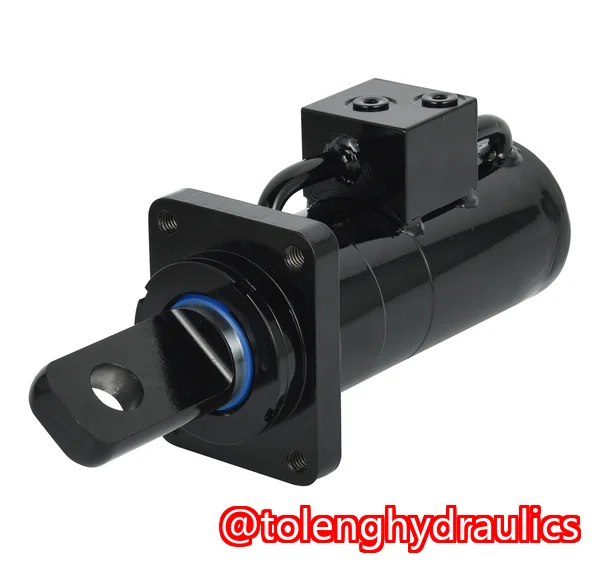
That’s why it’s crucial to understand what goes into choosing a reliable hydraulic cylinder. I’ve worked with hydraulic systems for years, and I can tell you that knowing how to identify the signs of poor-quality cylinders can save you a lot of hassle down the road. In this guide, I’ll walk you through the key factors to look for when selecting a hydraulic cylinder, ensuring you make informed purchasing decisions that keep your equipment running smoothly.
Common Hydraulic Cylinder Problems
Before we dive into the inspection process, let’s explore the common issues that come with choosing the wrong hydraulic cylinders. Understanding these problems will help you know what to look for when you’re inspecting cylinders:
-
Premature Seal Failure: The seals in hydraulic cylinders prevent fluid leakage. Poor-quality seals can degrade quickly, leading to leaks, which ultimately lead to cylinder failure. If you’re dealing with hydraulic systems that have seals failing frequently, it’s time to rethink your cylinder sourcing process.
-
Rod Damage and Surface Defects: Hydraulic cylinders use rods to push and pull heavy loads. Over time, a poor-quality rod surface can wear down, leading to scratches, corrosion, and decreased performance. This often results in additional maintenance and downtime.
-
Leaks and Hydraulic Fluid Contamination: If the internal components of the cylinder aren’t correctly manufactured or the cylinder has been poorly welded, you may see leaks at the cylinder’s ends or port areas, which can lead to fluid contamination and failure of other components in the system.
Now that we understand the most common pain points, let’s explore how to identify quality hydraulic cylinders before these issues occur.
How to Inspect Hydraulic Cylinder Quality
When purchasing hydraulic cylinders, you should always follow a systematic approach to ensure you’re getting the best value for your investment. Here’s a step-by-step guide on how to evaluate cylinders for quality:
1. Inspect Cylinder Tube Material and Internal Bore Finish
The tube material of a hydraulic cylinder plays a critical role in its durability. High-quality cylinders are often made from high-grade steel that resists wear, corrosion, and fatigue. When inspecting the bore finish, keep an eye out for inconsistencies. If the bore is rough or uneven, it can cause premature wear on the seals, leading to faster cylinder failure.
-
Tip: Use a bore gauge or a feeler gauge to check for irregularities. A smooth bore finish ensures better seal contact, preventing leakage.
2. Evaluate Rod Quality: Hardness, Chrome Plating, and Surface Finish
Rod surface finish and chrome plating are key to the cylinder’s longevity. A rod that has been properly hardened and plated with chrome is less likely to suffer from corrosion and surface wear. A rod that’s not hardened enough will eventually wear down, while poor chrome plating will chip away and lead to issues with seal integrity.
-
Tip: Inspect the rod for any visible scratches or surface defects. The chrome plating should be smooth and uniform. Any noticeable defects should be considered a red flag.
3. Check Seal Materials and Type
The quality of seals used in hydraulic cylinders directly impacts their performance. Different applications may require different seal types. For example, agricultural machinery might need seals that can withstand extreme temperatures and harsh environments, while industrial applications could require seals that can handle higher pressure systems.
-
Tip: If the seals are made from low-quality materials, they’re more prone to degradation, which can lead to leaks and reduced service life. Check for the hardness of the seals and ensure they are compatible with the application.
4. Verify Weld Quality on Cylinder Ends and Mounts
Welds that hold the cylinder ends and mounts in place should be uniform, smooth, and strong. If there are any visible cracks or signs of poor welding, this is a significant indicator that the cylinder was not manufactured properly and will be more prone to failure.
-
Tip: Look for uniformity in the welds and check for any visible porosity, cracks, or defects in the welds. These issues can cause cylinder failures under pressure.
5. Port Threads and Fitting Quality
Lastly, always check the port threads and fittings to ensure they’re precise and free from defects. Poorly manufactured ports can lead to leaks and difficulties when attaching hoses and fittings.
-
Tip: Make sure that all threads are clean, without damage, and properly aligned. Test the fitting with its corresponding component to make sure everything aligns properly and seals securely.
Why Proper Cylinder Inspection is Crucial
You might be thinking, “Why should I go through all this trouble? Isn’t the price tag a good indicator of quality?” The truth is, price alone doesn’t guarantee you’re getting a high-quality hydraulic cylinder. Many low-cost cylinders may seem like a bargain upfront but can cost you a lot more in the long run due to frequent failures and maintenance costs.
By inspecting cylinders thoroughly, you can avoid issues like:
-
Unnecessary Downtime: Poor-quality cylinders lead to equipment failure, resulting in halted work, delays, and additional costs.
-
Extended Cylinder Service Life: Proper inspection ensures you choose cylinders that will perform reliably for years to come.
-
Reduced Maintenance Costs: Identifying quality issues early can help you select cylinders that require less frequent maintenance, saving you time and money.
Conclusion: Choosing the Right Hydraulic Cylinder
To ensure long-term reliability and prevent costly downtime, I highly recommend following these inspection guidelines when purchasing hydraulic cylinders. By taking the time to evaluate materials, seals, rods, welds, and fittings, you can ensure that you’re investing in cylinders that deliver performance and longevity.
Remember, taking the extra step to inspect hydraulic cylinders before buying them will save you money in the long run. Whether you’re dealing with construction equipment, industrial machinery, or agricultural machinery, these inspection tips will help you make an informed decision and avoid future headaches.
Browse our selection of high-quality hydraulic cylinders: 🔗 Toleng Hydraulics
Download our complete hydraulic cylinder inspection checklist today!
FAQs
-
How can I tell if a hydraulic cylinder has quality seals?
Look for seals made from durable materials like polyurethane or nitrile rubber, depending on the application. The seals should be smooth and free from visible defects, which can indicate poor manufacturing.
-
What rod surface finish is best for long seal life?
A polished, smooth rod surface finish is ideal for extending seal life. Rough or scratched rod surfaces can wear out seals quickly.
-
How do I measure bore size and stroke length correctly?
Use a precise bore gauge to measure the internal diameter of the cylinder tube. For stroke length, measure the distance the piston travels within the cylinder, ensuring it aligns with the manufacturer’s specifications.
-
What are the signs of a poorly manufactured cylinder?
Look for visible weld defects, inconsistencies in bore finish, poor chrome plating on the rod, and damaged or poorly fitting seals.
-
Which cylinder mounting styles are strongest?
Welded cylinders tend to offer a more durable mounting style compared to tie-rod cylinders, especially in high-pressure or heavy-duty applications.
-
How do I choose between welded and tie-rod cylinders?
Welded cylinders are stronger and better suited for high-pressure applications, while tie-rod cylinders are generally used for lighter-duty tasks.
-
What chrome plating thickness should I look for on rods?
For most applications, a chrome plating thickness of around 20-25 microns is recommended. Thicker plating offers better corrosion resistance but may increase the cylinder’s overall cost.
Tags or Keywords: hydraulic cylinder quality, cylinder seals, rod finish, bore size, hydraulic cylinder maintenance, cylinder inspection, welded hydraulic cylinder, tie-rod cylinder, hydraulic cylinder buying guide, cylinder failure prevention, hydraulic cylinder materials.

