
In the world of hydraulics, the piston rod is the most vulnerable component, constantly exposed to harsh environments. Hard Chrome Plating is the industry-standard solution to ensure these components can withstand extreme pressure, friction, and corrosion.
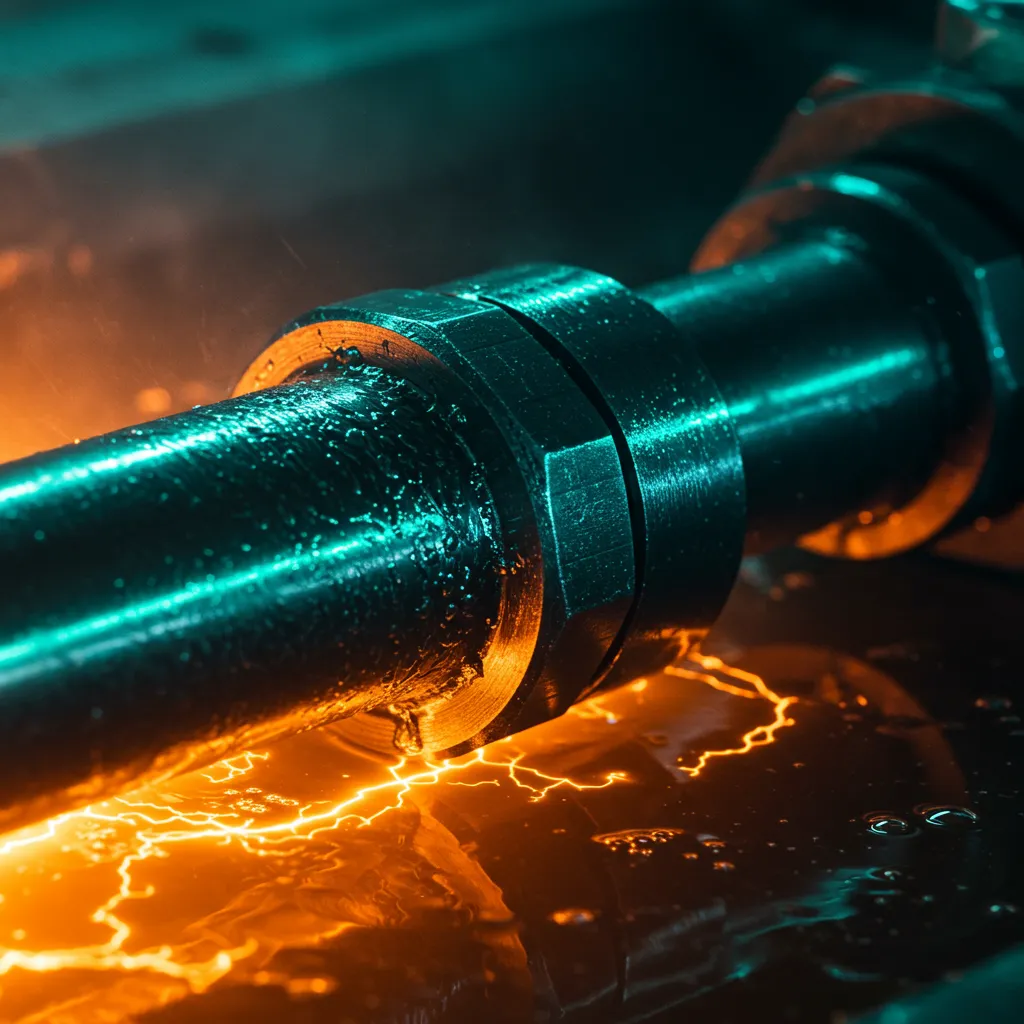
1. What is Hydraulic Cylinder Chroming?
Definition:
Hydraulic cylinder chroming is a surface treatment process where a thin layer of chromium is deposited onto a steel piston rod through an electrochemical process known as electroplating.
Purpose:
It is not a decorative finish but a functional engineering coating. It is designed to enhance durability, provide superior wear and corrosion resistance, and significantly reduce friction between the rod and the seals.
2. Why Chroming is Essential (4 Core Benefits)
- Wear Resistance: Chromium is exceptionally hard, typically measuring between 65–70 HRC (Rockwell C). This hardness protects the cylinder rod from abrasive wear caused by dust, debris, and high-frequency movement.
- Corrosion Protection: The chrome layer acts as a sacrificial barrier, preventing the underlying steel from rusting or oxidizing when exposed to moisture, salt, or industrial chemicals.
- Friction Reduction: A polished chrome surface has a very low coefficient of friction. This ensures smooth movement, reduces heat buildup, and prevents the hydraulic seals from tearing or wearing out prematurely.
- Extended Service Life: By protecting the rod from physical and chemical damage, chroming reduces equipment downtime and significantly lowers long-term maintenance costs.
3. The Chroming Process (4 Key Steps)
- Surface Preparation:
The rod is thoroughly cleaned to remove oil and contaminants. Any existing scratches or dents are repaired, and the rod is ground to a specific undersize to ensure perfect roundness and a smooth base for the plating. - Electroplating:
The rod is submerged in an electrolytic bath containing chromic acid. A high-voltage DC current is applied, causing chromium ions to bond molecularly to the steel substrate. The duration of this stage determines the thickness of the layer. - Grinding and Polishing:
Once plated, the rod is ground back to its precise final dimensions. It is then polished to a mirror-like finish (achieving a specific Ra roughness average) to ensure it can slide through seals without causing damage. - Quality Inspection:
The finished rod undergoes a series of tests to verify that the plating meets the required industrial specifications for thickness, hardness, and finish.
4. How to Inspect Chroming Quality (5 Methods)
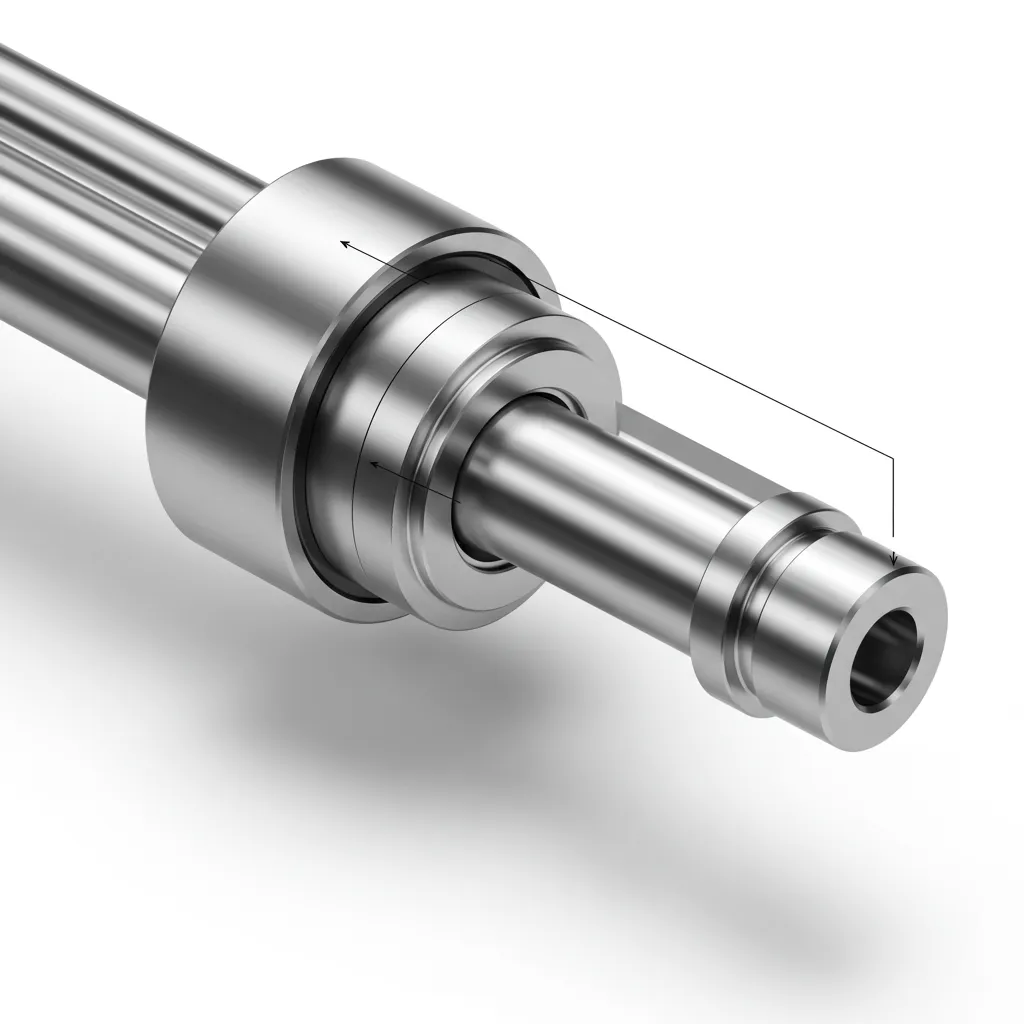
- Visual Inspection: Technicians check the surface under high-intensity light for any visible defects such as cracks, pinholes, bubbles, or uneven coloring.
- Thickness Measurement: Using magnetic or ultrasonic gauges, the layer is measured. For standard hydraulic rods, the thickness typically ranges between 0.05–0.1 mm (50 to 100 microns).
- Hardness Testing: Micro-hardness testers (Vickers or Rockwell) are used to ensure the chrome has reached the necessary 65–70 HRC range.
- Adhesion Testing: Through methods like the “cross-hatch” test or bend test, inspectors ensure the chrome is perfectly bonded to the steel and will not peel or flake under stress.
- Corrosion Resistance Verification: Samples are often subjected to a Salt Spray Test (e.g., ASTM B117). The rod must remain rust-free after being exposed to a corrosive mist for a specified number of hours (e.g., 96 to 500+ hours).
5. Maintenance Tips for Chromed Cylinders
To maximize the lifespan of your chromed hydraulic cylinders, follow these maintenance best practices:
- Keep it Clean: Regularly wipe down exposed piston rods to prevent the buildup of abrasive mud, ice, or chemical residue that could score the surface.
- Inspect Seals Regularly: Worn seals can allow contaminants to enter the system and scratch the chrome. Replace seals at the first sign of leakage.
- Avoid Mechanical Impact: While chrome is hard, it can be brittle. Avoid hitting the rod with hammers or other heavy tools, as this can cause the chrome to “star crack” or delaminate.
- Proper Lubrication: Ensure the hydraulic oil is clean and filtered. The oil provides a microscopic film on the chrome that helps lubricate the seals.
- Storage Protection: If a cylinder is to be stored for a long period, retract the rod fully into the housing. If the rod must remain extended, apply a coat of protective grease or anti-rust spray to prevent environmental pitting.

