
Hydraulic Cylinder Retraction Problems Troubleshooting Guide
Learn how to diagnose hydraulic cylinder retraction problems, inspect cylinder quality, and avoid costly failures with practical maintenance and inspection tips.
Hydraulic systems are supposed to make heavy work feel effortless. Yet anyone who has worked around construction equipment, agricultural machinery, or industrial presses knows how quickly things can go wrong when a hydraulic cylinder refuses to retract.
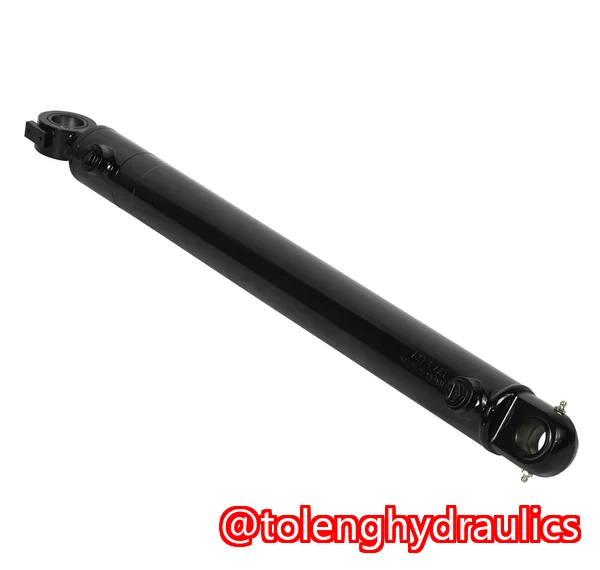
I remember standing next to a loader that had just finished lifting a pallet of materials. The operator lowered the control lever, expecting the boom to retract smoothly. Instead, the cylinder hesitated then stopped completely. The machine sat there, stuck mid-cycle, while the crew waited. What should have been a routine movement turned into hours of troubleshooting, lost productivity, and mounting frustration.
Situations like this happen more often than many equipment owners expect. Retraction problems are one of the most common hydraulic cylinder issues, and they’re often a warning sign of deeper quality problemspoor seals, damaged rods, inconsistent bore finishes, or manufacturing shortcuts that only reveal themselves under real working conditions.
Over the years, I’ve learned that solving hydraulic cylinder problems isn’t just about repairs. It starts with understanding how to evaluate hydraulic cylinder quality before the equipment ever goes into service.
This troubleshooting guide shares practical insights I use when diagnosing retraction problems and inspecting cylinders for reliability. With the help of tools and resources like Toleng hydraulics, engineers and maintenance teams can quickly identify weak components, verify cylinder quality, and avoid costly downtime.
Why Hydraulic Cylinders Fail to Retract
When a cylinder fails to retract properly, the first instinct is often to blame the hydraulic pump or control valve. But in many cases, the real cause lies inside the cylinder itself.
From my experience, retraction problems usually fall into three categories:
-
Internal leakage due to worn seals
-
Mechanical resistance caused by rod or bore damage
-
Manufacturing defects affecting cylinder tolerances
Understanding these issues makes troubleshooting far more effective.
Internal Leakage from Poor Seal Quality
Cylinder seals are small components, but they play an enormous role in system performance.
If piston seals or rod seals are made from low-grade materials, hydraulic oil can bypass the piston during operation. Instead of pushing the piston backward during retraction, oil leaks around it, reducing the force available to move the rod.
Signs of seal-related problems include:
-
Slow or incomplete cylinder retraction
-
Cylinder drifting when controls are neutral
-
Visible oil leakage around the rod gland
High-quality hydraulic cylinders typically use specialized hydraulic seal types designed for specific applications. These may include polyurethane seals for durability, PTFE seals for low friction, or high-temperature materials for demanding environments.
When evaluating a cylinder, I always check seal specifications carefully. Cheap seals may work at first, but they rarely last under real-world operating pressures.
Rod Damage and Surface Finish Problems
Another common cause of retraction problems is piston rod damage.
The piston rod travels through seals thousands of times during normal operation. If the rod finish is rough, poorly plated, or scratched, the seals will wear rapidly.
I’ve seen cylinders where the chrome plating was too thin. After only a few months of use, microscopic corrosion formed on the rod surface. That roughness shredded the seals and caused hydraulic leakage.
When inspecting a rod, I recommend checking:
-
Surface smoothness
-
Chrome plating thickness
-
Straightness of the rod
A high-quality rod should feel perfectly smooth and reflect light evenly. Any pitting, scratches, or discoloration can lead to premature seal failure.
Good manufacturers also ensure proper rod chrome plating, typically thick enough to resist corrosion and abrasion over long service periods.
Poor Bore Finish Inside the Cylinder Tube
Many buyers focus on external appearance, but the real performance of a cylinder depends on what’s happening inside the tube.
The cylinder bore finish must be precisely honed to create the right surface texture. Too rough, and the seals wear quickly. Too smooth, and the seals struggle to maintain lubrication.
Inconsistent bore finishes are one of the biggest hidden causes of cylinder problems.
Symptoms often include:
-
Jerky or uneven retraction
-
Increased seal wear
-
Internal pressure loss
This is why hydraulic cylinder inspection should always include bore evaluation when possible. Manufacturers like Toleng hydraulics emphasize proper honing processes to maintain consistent bore tolerances and surface finishes.
Practical Steps to Inspect Hydraulic Cylinder Quality
When evaluating a hydraulic cylinderwhether for replacement, procurement, or troubleshootingI follow a simple inspection process.
These checks help determine whether the cylinder will deliver reliable performance or cause problems down the line.
1. Verify Cylinder Tube Material
The strength of the cylinder starts with the tube itself.
A quality tube should be manufactured from high-strength steel with proper heat treatment. Low-grade tubes may deform under pressure, causing seal damage or misalignment.
Look for:
-
Uniform internal surface
-
No visible weld seams inside the bore
-
Consistent wall thickness
These factors are essential for maintaining correct bore size and structural integrity.
2. Measure Bore Size and Rod Diameter
Accurate measurements are critical when verifying cylinder specifications.
To measure correctly:
Bore Size
-
Clean the interior surface of the cylinder tube.
-
Use an internal micrometer or bore gauge.
-
Measure at several points along the tube.
This ensures the bore has not worn unevenly or been manufactured outside tolerance.
Rod Diameter
-
Use a micrometer for precise measurement.
-
Measure near both ends of the rod.
-
Compare measurements to manufacturer specifications.
Inconsistent dimensions may indicate manufacturing issues or wear.
3. Inspect Rod Straightness
Even a slight bend in the piston rod can create enormous friction during retraction.
To check rod straightness:
-
Roll the rod on a flat surface
-
Look for wobbling or uneven movement
-
Use a dial indicator for precise measurements
Bent rods often occur in low-quality cylinders or after excessive side loading.
4. Evaluate Seal Design and Materials
Not all seals are created equal.
Quality cylinders use seals specifically matched to:
-
Operating pressure
-
Temperature range
-
Fluid compatibility
-
Speed of operation
Poorly matched seals can cause immediate performance problems.
When sourcing cylinders, I always ask suppliers for detailed information about seal materials and configuration.
5. Examine Weld Quality on Cylinder Ends
Welded joints hold enormous structural loads. Poor welding can lead to catastrophic failure.
Look for:
-
Uniform weld beads
-
No visible cracks or porosity
-
Clean transitions between welded components
This is especially important for welded hydraulic cylinder designs used in construction and mobile equipment.
6. Check Hydraulic Ports and Threads
Hydraulic ports are often overlooked during inspections.
Poorly machined threads can cause:
-
Oil leaks
-
Damaged fittings
-
Contamination entering the system
Run a fitting into each port to confirm smooth engagement and proper threading.
Real-World Example: Retraction Failure on a Construction Loader
One situation stands out from my early maintenance days.
A construction company reported that their loader boom cylinder would extend normally but refused to retract under load.
At first glance, the hydraulic system seemed fine. Pressure levels were normal, and the control valve was functioning.
After removing the cylinder, the problem became obvious.
The piston rod had several tiny corrosion pits where the chrome plating had worn away. Those pits damaged the seals, allowing hydraulic oil to bypass the piston during retraction.
Replacing the seals alone didn’t fix the issuethe rod itself had to be replaced.
That experience reinforced an important lesson: surface finish and material quality matter far more than appearance.
Choosing Between Welded and Tie-Rod Cylinders
Equipment owners often ask which cylinder design is stronger.
Both tie-rod cylinders and welded hydraulic cylinders have advantages depending on the application.
Tie-rod cylinders are common in industrial environments. They are easier to service and disassemble.
Welded cylinders, on the other hand, are typically stronger and more compact. That makes them ideal for:
-
Construction equipment
-
Agricultural machinery
-
Mobile hydraulics
Regardless of the design, quality control during manufacturing remains the most important factor.
Why Proper Inspection Saves Time and Money
When a hydraulic cylinder fails unexpectedly, the consequences ripple across an entire operation.
Downtime can mean:
-
Delayed construction projects
-
Idle agricultural equipment during critical seasons
-
Production interruptions in manufacturing plants
By performing thorough inspections and selecting high-quality components, maintenance teams can:
-
Maximize equipment uptime
-
Reduce maintenance costs
-
Improve operator safety
-
Extend cylinder service life
Using resources like Toleng hydraulics makes it easier for engineers and procurement specialists to evaluate cylinder specifications and verify product quality before purchase.
Final Thoughts
Hydraulic cylinder retraction problems rarely appear without warning. Most failures start with small issueslow-quality seals, inconsistent bore finishes, thin chrome plating, or poorly machined components.
Learning how to identify these problems early can make the difference between a reliable machine and constant maintenance headaches.
I highly recommend following these inspection guidelines to ensure any hydraulic cylinder purchase delivers long-term reliability and performance.
If you want a structured way to evaluate cylinders before buying or installing them, take advantage of professional inspection tools and guidance.
Browse our selection of high-quality hydraulic cylinders:
🔗 https://tolenghydraulics.com/contact/
Download our complete hydraulic cylinder inspection checklist today and ensure your equipment stays productive, reliable, and safe.
FAQ
How can I tell if a hydraulic cylinder has quality seals?
Quality seals are usually made from durable materials like polyurethane or PTFE. Look for manufacturer documentation specifying seal materials and pressure ratings. Poor seals often show early leakage or rapid wear.
What rod surface finish is best for long seal life?
A finely polished rod with thick chrome plating provides the best protection. Smooth surfaces reduce friction and prevent damage to cylinder seals during operation.
How do I measure bore size and stroke length correctly?
Use a bore gauge or internal micrometer to measure the cylinder tube diameter at multiple locations. Stroke length is measured by fully extending the rod and measuring the distance from the rod base to the gland.
What are the signs of a poorly manufactured cylinder?
Common indicators include uneven welds, rough rod surfaces, inconsistent bore finishes, poorly machined hydraulic ports, and rapid seal failure during operation.
Which cylinder mounting styles are strongest?
Welded mounting designs, such as clevis or trunnion mounts, typically offer excellent strength for mobile and heavy-duty applications.
How do I choose between welded and tie-rod cylinders?
Tie-rod cylinders are ideal for industrial machinery where serviceability is important. Welded cylinders are generally better suited for construction and mobile equipment due to their compact design and durability.
What chrome plating thickness should I look for on rods?
High-quality piston rods typically use chrome plating thick enough to resist corrosion and wear. The exact thickness varies by application, but thicker plating generally improves durability and seal life.
Tags / Keywords
hydraulic cylinder quality, cylinder seals, rod finish, bore size, hydraulic cylinder maintenance, hydraulic cylinder inspection, welded hydraulic cylinder, tie-rod cylinder, hydraulic cylinder buying guide, cylinder failure prevention, hydraulic cylinder materials, rod chrome plating

